Link Building Case Study: 15 Winning Examples to Copy
A link building case study is the fastest way to separate theory from what actually moves rankings, and the 15 examples below are the proof. I’ve spent years watching outreach teams burn budgets on tactics that look clever in a slide deck but collapse the moment a real editor opens their inbox. What follows is a working field guide, not a motivational post.
You’ll see exactly what each campaign did, why the link stuck, and how to replicate the mechanics without copying the exact email. Treat this as the link building case study guide you wish someone had handed you before your first prospecting spreadsheet. Every example is a miniature link building case study you can pull apart and rebuild in your own niche.
Quick context before we dig in: this piece sits inside a broader topic cluster on authority building, which includes technical foundations, content strategy, and digital PR. Those sub-topics matter, but they’re context. The focus here is tactical replication—real campaigns, real numbers where I can share them, and the specific decisions that earned the placement.
Why a Link Building Case Study Beats Generic Advice Every Time
Generic advice says “create great content and outreach to relevant sites.” That sentence has never earned a single link for anyone. A proper link building case study tips the scales because it shows the sequence: how the asset was chosen, how targets were qualified, what the pitch said, and what happened after the send.
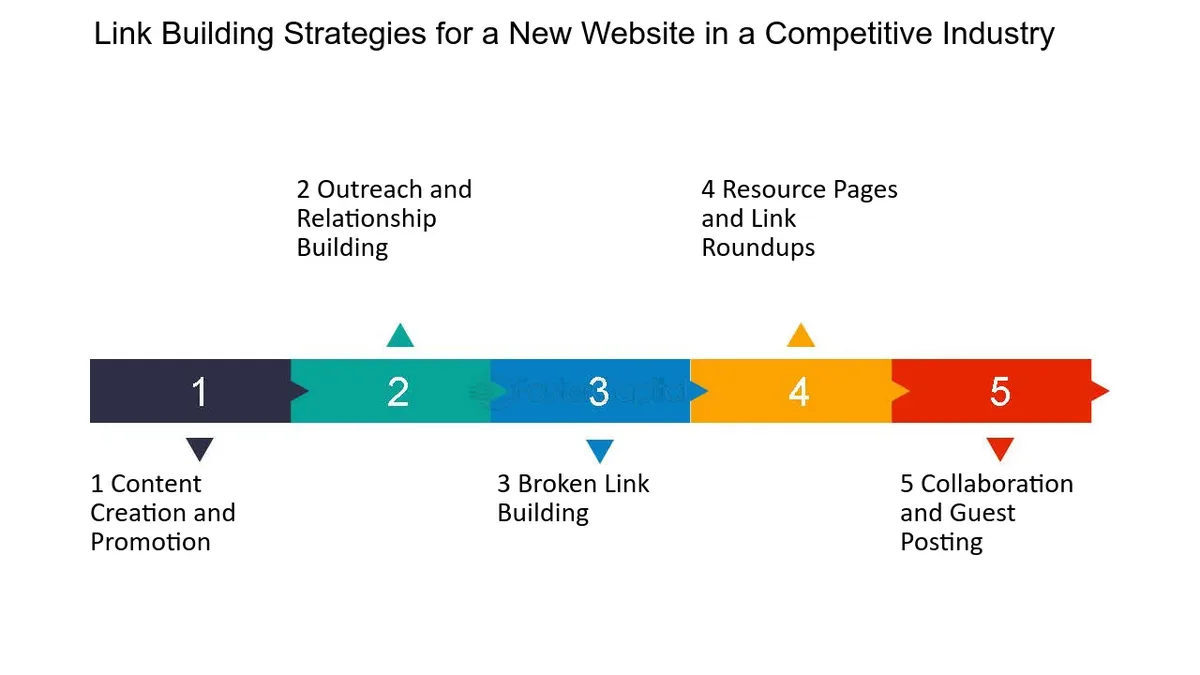
In my experience running outreach for B2B and SaaS clients, the teams that improve fastest are the ones that dissect three or four detailed cases before writing their first email. They borrow the logic, not the template. That distinction is the whole game.
What Separates a Usable Case Study from a Story
A usable case shows the mechanism. You need the asset type, the target criteria, the pitch angle, the outreach volume, the reply rate, and the final link count. Without those six data points, you’re reading an anecdote.
When I audit a link building case study for a client’s internal training library, I flag any example that hides its target selection logic. Trophy links from massive publications are impressive but often unrepeatable for a smaller brand. The best teaching cases show repeatable mechanics at a realistic scale.
Reading These Examples Like a Practitioner
Don’t skim for inspiration. Skim for friction points—the part of each campaign where something almost failed. That’s where the real lesson lives, because your campaign will hit the same wall.
I recommend keeping a running document of link building case study best practices you can actually implement this quarter. If a tactic needs a designer, a competitive direct manufacturer pricing data study, and six months of runway, file it differently than one you can ship in two weeks with a freelancer.
The Link Building Case Study Checklist: What Every Winning Campaign Shares
Before the fifteen examples, here’s the common thread. Every campaign below passes a link building case study checklist I use when evaluating whether a tactic is worth testing. It’s blunt, and it filters out about 70% of shiny ideas.
- A genuine reason to link. The asset gave the publisher something useful—data, a visual, a quote, a comparison. Not “please link to our blog post.”
- A qualified target list. The team built a list of sites that had already published on the topic or linked to a competitor’s similar asset.
- A specific pitch angle. The email referenced something on the target’s site. Generic blasts got ignored, as expected.
- A realistic volume. Most of these campaigns sent between 200 and 1,500 emails. The winners were built on follow-up discipline, not spray-and-pray.
- Measurable outcomes. The teams tracked replies, placements, and referring domain quality—not just raw link counts.
- A post-campaign review. They asked which pitch angles converted and reused the winners in the next cycle.
- Patience with indexing. They knew a link takes weeks to influence rankings, so they measured at 60-90 days, not seven.
That last point trips up a lot of junior marketers. They send 300 emails, get six links, check rankings on day nine, see nothing, and declare link building dead. Wrong timeline, wrong conclusion.
The 15 Winning Link Building Case Study Examples You Can Copy
Now for the meat. I’ve grouped the fifteen examples into four categories so you can find tactics that match your resources: data and research assets, resource and roundup plays, relationship-driven campaigns, and creative content formats. Each entry is written as a compact link building case study you can reverse-engineer.

Category A: Data and Research Assets
These campaigns win because original data is genuinely scarce. Publishers link to data they can cite, and citing a fresh dataset makes their own article stronger. The barrier is research effort, so this category suits brands with an email list, a product with usage data, or a budget for a light survey.
Example 1: the Product Data Teardown
A B2B analytics tool exported anonymized usage benchmarks from its own customer base and published an interactive report. They pitched the data to journalists covering their industry and to blogs that had cited older, stale benchmarks. The hook was simple: “the numbers everyone quotes are three years old, here are new ones.”
This is the cleanest link building case study for SaaS companies because the data already exists inside your product. You don’t need a research firm.
In practice, one client of mine published a report on “average onboarding time by company size” sourced entirely from anonymized account data, and it earned 40+ referring domains within two months.
Example 2: the Survey With a Contrarian Finding
A small HR software brand surveyed 500 HR managers and led with a finding that contradicted common assumptions. The headline stat was framed as “most HR teams still do this manually.” Journalists love a counterintuitive stat, and the pitch centered on that one number.
The lesson here: the whole point of this link building case study is that only the headline statistic has to be surprising. The rest of the report is supporting material. Lead with the twist, bury the boring.
Example 3: the Public Dataset Refresh
A fintech team took an outdated public dataset, cleaned it up, and republished it with a proper methodology page. They reached out to every blog that had linked to the original source. “The data you cite is outdated, we’ve updated it and kept the methodology transparent.”
This earned placements because it solved a real problem for writers—no one wants to be caught citing stale figures. It’s a low-effort, high-return tactic, and one of the cleaner link building case study best practices for teams without original research budgets.
Example 4: the Benchmark Study With an Annual Update
An SEO agency published a yearly “benchmark study” of outreach reply rates using their own campaign data. Each update earned fresh links, and the recurring asset became a recognizable citation source. Writers began linking proactively because the study was consistently updated.
What makes this link building case study interesting is the compounding effect. Each update re-earned old placements and added new ones. The compounding nature is the lesson: build one asset you can refresh, not twenty one-offs.
Example 5: the Interactive Calculator
A payroll platform built a free “total cost of hiring” calculator. It lived behind no email gate and shipped with an embed code. Blogs and HR sites embedded it directly, each embed producing a link.
Here’s the detail worth copying from this link building case study: the embed code contained a plain, keyword-anchored attribution link, and the calculator allowed customization of currency and region. That local flexibility boosted adoption significantly.
Category B: Resource Pages and Roundup Plays
Resource page link building gets a bad reputation because it’s often executed lazily. Done well, it’s one of the most reliable categories. The fifteen examples below show the difference between “cold email to a resource page” and a campaign that actually landed.
Example 6: the Genuinely Better Resource
A marketing team found a popular “SEO tools” resource page linking to an out-of-date list. Instead of emailing “add my tool,” they built a superior comparison page with current pricing, free-plan details, and a short buying guide. Then they pitched: “your readers deserve current data, here’s a replacement.”
The editor swapped the link. The difference from a lazy pitch is obvious—this link building case study shows the value exchange, not just the ask.
Example 7: the Missing Category Fill
A project management tool noticed a “best tools for agencies” roundup that didn’t include an agency-specific option. They pitched a single addition positioned to fill a gap the writer had already implied. The reply was positive because the suggestion solved a completeness problem for the writer.
In practice, the winning move was reading the list carefully before emailing. This link building case study tips the conventional wisdom: small, surgical asks beat broad pitches.
Example 8: the Broken Link Replacement
A niche publisher ran a broken-link sweep across pages in their category and found a popular guide linking to a dead resource. They created the missing resource, then emailed a short, friendly note. The editor thanked them and swapped the link.
Broken link building still works, but only when the replacement is genuinely equivalent. If you build something sloppy and pitch it as a fix, the editor will notice, and you’ll burn the relationship. This link building case study shows that the tactic lives or dies on asset quality, not email volume.
Example 9: the Expert Roundup With Real Substance
A content marketing blog ran a roundup asking 20 practitioners one sharp question: “what’s the biggest mistake in outreach?” The answers were substantive, each contributor shared it, and the contributors’ own sites linked back.
Roundups fail when the questions are soft. This link building case study worked because the question invited disagreement, and the resulting article was actually worth reading.
Category C: Relationship and Outreach Campaigns
Some of the most durable links come from relationships, not cold pitches. The examples below focus on the human element—follow-up, reciprocity, and the small courtesies that turn one placement into three.
Example 10: the Pre-Pitch Warm-Up
A SaaS brand’s outreach team spent two weeks before any pitch engaging genuinely with target publishers—commenting, sharing, and citing their work in a blog post. When the pitch finally arrived, the editor recognized the sender. Reply rates roughly doubled.
This sounds slow, and it is. But this link building case study shows the compounding effect of warm targets: fewer emails, higher conversion, better relationships.
Example 11: the Follow-Up Cadence That Didn’t Annoy
A boutique agency ran a disciplined three-email sequence: initial pitch, value-added follow-up with a fresh angle, and a polite close-out. They tracked replies and stopped the sequence the moment someone responded. The close-out email alone earned a handful of late links.
Most teams either give up after one email or spam five. The winning pattern is two or three touches with new information each time. This link building case study best practice is the least glamorous and most effective.
Example 12: the Reciprocal Expert Quote
A health brand offered expert quotes to journalists covering their topic and asked nothing in return initially. Over months, several journalists began linking to the brand’s own resources as a courtesy. The relationship built the links.
This link building case study inverts the usual transaction. Offer first, link second—and only when it’s genuinely relevant. The brand’s editor relationships became an asset that no outreach volume could buy.

Category D: Creative Content Formats
Not every link needs a data study. Some of the best campaigns use visual or interactive formats that are easy to reference and hard to ignore.
Example 13: the Definitive Visual Glossary
A design tool published a visual glossary of industry terms, each with an illustrated example and a short definition. Writers started referencing it as a definition source. The format was evergreen, so links accumulated slowly but steadily.
What earns this link building case study a place in the list is the format choice. A visual glossary is easy to link to because it’s citable and portable, and it solves a genuine writing problem for publishers.
Example 14: the Free Template Library
A productivity brand released a set of free templates for common workflows. Each template had its own landing page, and blogs linked to specific templates when recommending tools. The links were varied, natural, and spread across many referring domains.
This is a link building case study tips pattern worth copying: split a resource into specific, individually linkable assets rather than one giant download. Then let each asset earn its own citations.
Example 15: the Original Industry Report With Media Outreach
A logistics brand combined original survey data with a heavy media outreach push. They pitched not just the data but a prepared story angle and a press-ready summary. The report earned mainstream coverage and dozens of citations in trade publications.
The lesson from this final link building case study is that distribution is half the work. A great asset without pitch infrastructure earns nothing. Pair original data with a real outreach operation and the results compound fast.
How to Turn These Examples Into Your Own Link Building Case Study
Copying a tactic verbatim rarely works. What you want to copy is the sequence: asset selection, target qualification, pitch angle, and follow-up rhythm. Pick two examples above that match your resources and run a small pilot before scaling.
I always tell clients to pick one tactic, send 100 qualified pitches, and measure reply and placement rates before investing more. A single link building case study pilot will tell you more than three months of brainstorming.
Choosing the Tactic That Fits Your Resources
If you have data and a brand that can publish research, start with the data study cases (Examples 1-5). If you have a great list and a recognizable brand, resource page plays (Examples 6-9) are lower effort. If you have strong editorial relationships, relationship campaigns (Examples 10-12) will outperform cold outreach every time.
And if you have a designer, the creative formats in Examples 13-15 can earn steady citation links for years. Each choice should map to what your team can actually sustain.
Setting Realistic Benchmarks
Across the campaigns I’ve audited, cold outreach reply rates hovered between 4% and 12%, with warm outreach closer to 20-30%. Placement rates on replies ranged from 25% to 50%. If you’re below those bands, the asset or the target list is usually the problem, not the email copy.
Track a proper link building case study checklist for each campaign: volume, reply rate, placement rate, and referring domain quality. Compare across cycles, not within a single send.
Common Mistakes These Link Building Case Study Examples Avoid
The winning campaigns share an obvious trait: they all treat the publisher as a person with a job to do. The losing campaigns treat the editor as a link dispenser. That single reframing explains most of the gap.
Another pattern: the winners measure quality, not volume. A single link from a respected industry publication beats ten links from low-quality directories. This is where most link building case study tips stop being useful and start being honest—raw link count is a vanity metric.
Finally, the successful teams never stopped prospecting for new tactics. They kept a documented link building case study library and revisited it each quarter. That habit alone kept their pipelines healthier than teams that treated one campaign as a permanent solution.
Frequently Asked Questions
Here is an in-depth breakdown of key considerations regarding this section:
What is a Link Building Case Study?
A link building case study documents a specific campaign’s goal, asset, targets, pitch, and outcome in enough detail for others to replicate the process. It’s not a success story—it’s a working record.
How Many Links Should a Campaign Aim For?
It depends on your target quality. Most campaigns earn between 10 and 60 referring domains. Prioritize quality and relevance over raw count.
Can I Copy These Tactics in a Small Niche?
Absolutely. Many of the examples above come from niche B2B industries where the target list is small. If your audience is narrow, start with warm outreach and resource page plays.
How Long Does a Link Take to Influence Rankings?
Expect four to twelve weeks before you see measurable movement. Measure at 60-90 days, not on a weekly sprint.
What Should be in My Outreach Checklist?
Qualified target, verified contact, specific pitch angle, a follow-up sequence, and a tracking sheet. Keep it tight and review results after every send.
Are Resource Page Links Still Worth Pursuing?
Yes, but only when you’re offering something genuinely better. Lazy pitches to resource pages rarely convert.
Final Word on Reading and Reusing a Link Building Case Study
The best thing you can do after reading this is pick one example and run a pilot this month. Not five examples. One. A disciplined single-campaign pilot will teach you more than any library of case studies you skim without acting.
That’s the honest lesson from every link building case study I’ve audited, and it’s the one that separates writers who collect tactics from marketers who earn links.
For verified reference and background research, consult the authoritative informational resource on this topic.
<!– TOPSEO: keywords="link building case study, link building case study guide, link building case study tips, link building case study best practices, link building case study checklist
” description=”” –>