Why Landing Page Copywriting Deserves Your Full Attention
If you strip away the design polish, the animations, and the clever layout, what’s left standing between a visitor and the “Buy” button is landing page copywriting. That’s the whole game.
A page can look stunning and still convert nothing if the words don’t do their job—and this resource covers everything you need to know about making those words work harder than you ever thought possible.
Here’s the uncomfortable truth I’ve watched play out across hundreds of campaigns: most landing pages fail not because the offer is weak, but because the copy never earns the click. Focusing on landing page copywriting provides clear direction here.
Designers obsess over whitespace. Developers obsess over load time. Somewhere in the shuffle, the actual message gets treated like an afterthought.
That’s a costly mistake. The words on your page are the salesperson, the closer, and the objection-handler all rolled into one. Get them right and mediocre design still converts. Get them wrong and no amount of visual polish saves you.
Throughout this landing page copywriting guide, I’ll walk you through the mechanics that separate pages pulling double-digit conversion rates from pages bleeding traffic. You’ll get the psychology, the structure, the formulas, the mistakes, and the testing loop—everything, honestly, because there’s no point pretending any single trick does the job alone.
We’ll also touch parent topics that orbit this one: conversion rate optimization, user experience research, and offer design. Each feeds into the same outcome. But landing page copywriting sits at the center, and that’s where we’ll stay.

What Landing Page Copywriting Actually is (And What It Isn’t)
Landing page copywriting is the practice of writing persuasive text for a standalone page built around one specific action. Not a homepage. Not a product category. A focused destination with a single job to do.
The landing page copywriting definition matters more than it sounds. When you write copy for a typical website page, you’re serving browsers—people exploring, comparing, wandering. When you write for a landing page, you’re serving a decision.
The reader arrives with a question already formed, and your job is to answer it so completely that clicking feels like the obvious next step.
I’ve seen writers sabotage themselves by treating landing pages like short blog posts. Effective execution in your landing page copywriting makes a tangible difference. They meander. They get clever. They build up slowly, and by the time the call to action appears, the visitor has already bounced. That’s not writing—that’s delaying.

The distinction shows up in structure too. Refining each detail of your Landing page copywriting strengthens this section. A landing page usually strips navigation, removes competing links, and funnels attention toward one outcome. Your copy has to respect that architecture. Every sentence either builds momentum toward the action or kills it. There’s no neutral ground.
The Single-Goal Rule That Governs Everything
Every strong landing page obeys a single-goal rule. Maintaining clarity across your landing page copywriting remains essential. One page, one action. Sounds simple, yet it’s the rule most often broken.
When I audit underperforming pages, the culprit is almost always competing goals. “Sign up and download our guide.” “Book a demo or start a free trial.” “Subscribe and follow us.” Each added option fragments attention and dilutes the message. The copy loses its spine.
Pick one action. Then let every headline, subhead, bullet, and proof point point toward it like a compass needle. If a sentence doesn’t serve that action, cut it. Brutal, yes—but that’s the discipline that separates professional landing page copywriting from filler.
Why Readers Don’t Read—They Scan
People don’t read landing pages. A thoughtful approach to landing page copywriting reinforces your qualifications. They scan, skim, and jump. Eye-tracking research has shown this for decades: the average visitor spends a handful of seconds before deciding whether to stay or leave.
The Landing page copywriting reality changes how you write. Short paragraphs. Punchy subheads. Visual hierarchy that lets someone understand your offer by reading only the boldest elements on the page. If your value proposition is buried in paragraph four, it might as well not exist.
I always tell new writers to squint at their page. If the headline, subhead, bullets, and CTA don’t tell the full story when blurred, the structure needs work. That’s practical landing page copywriting tips territory—simple to apply, hard to master.
The Psychology Behind Copy That Converts
Persuasion isn’t magic. Structuring your landing page copywriting around proven patterns ensures impact. It’s a set of predictable levers rooted in how humans make decisions—often fast, often emotional, often with a rational explanation tacked on afterward.
Understanding the Landing page copywriting psychology separates copy that merely describes from copy that moves people. You’re not manipulating anyone. You’re clearing a path through the noise and hesitation that stops a genuinely interested visitor from acting.
Let’s break down the levers the landing page copywriting show up again and again in high-converting pages. None of them is optional if you want the text to do its heaviest lifting.
Clarity Beats Cleverness Every Single Time
A confused mind says no. That’s the most useful sentence in all of landing page copywriting.
Clever headlines win awards and lose sales. If someone has to decode a pun, interpret a metaphor, or re-read a sentence to grasp the offer, they’ve already drifted.
Clarity means a visitor understands what you sell, who it’s for, and why it matters within the first few seconds.
Test this yourself. Proper attention to your landing page copywriting sets a strong baseline. Swap a witty headline for a brutally plain one—”Save Two Hours a Week on Bookkeeping” instead of “Take Back Your Tuesdays”—and watch what happens. Nine times out of ten, clarity wins. The joke doesn’t pay the bills.
Specificity is the Antidote to Doubt
Vague claims create skepticism. Specific claims create belief. It’s that simple.
“Helps the Landing page copywriting grow faster” is noise. “Cuts onboarding time from three weeks to four days for teams of 20 or more” is a claim a visitor can picture, weigh, and trust. Numbers, timelines, named outcomes—these are the building blocks of credibility.
When I rewrite a weak page, the fastest improvement usually comes from replacing every fuzzy adjective with a concrete fact. “Powerful,” “robust,” “cutting-edge”—ban them. Reach for the real figure, the actual result, the named customer. Specificity is the most underrated tool in any landing page copywriting checklist.
Loss Aversion: the Quiet Persuader
People feel the pain of losing something roughly twice as intensely as the pleasure of gaining something equivalent. Developing your landing page copywriting with precision highlights key strengths. Behavioral economists have documented this for decades, and it shows up on landing pages constantly.
“Keep losing hours to manual data entry” stings harder than “Gain hours with automation.” Same outcome, different framing. Used honestly—not through manufactured panic—loss aversion sharpens the stakes and gives the reader a reason to act now rather than later.
The trap is overdoing it. Clear alignment with your landing page copywriting builds confidence from the start. Fake urgency and fabricated scarcity corrode trust and tank conversions over time. Real deadlines and genuine limits work. Invented ones backfire, and every experienced page writer has the war stories to prove it.
Anatomy of a Landing Page That Actually Converts
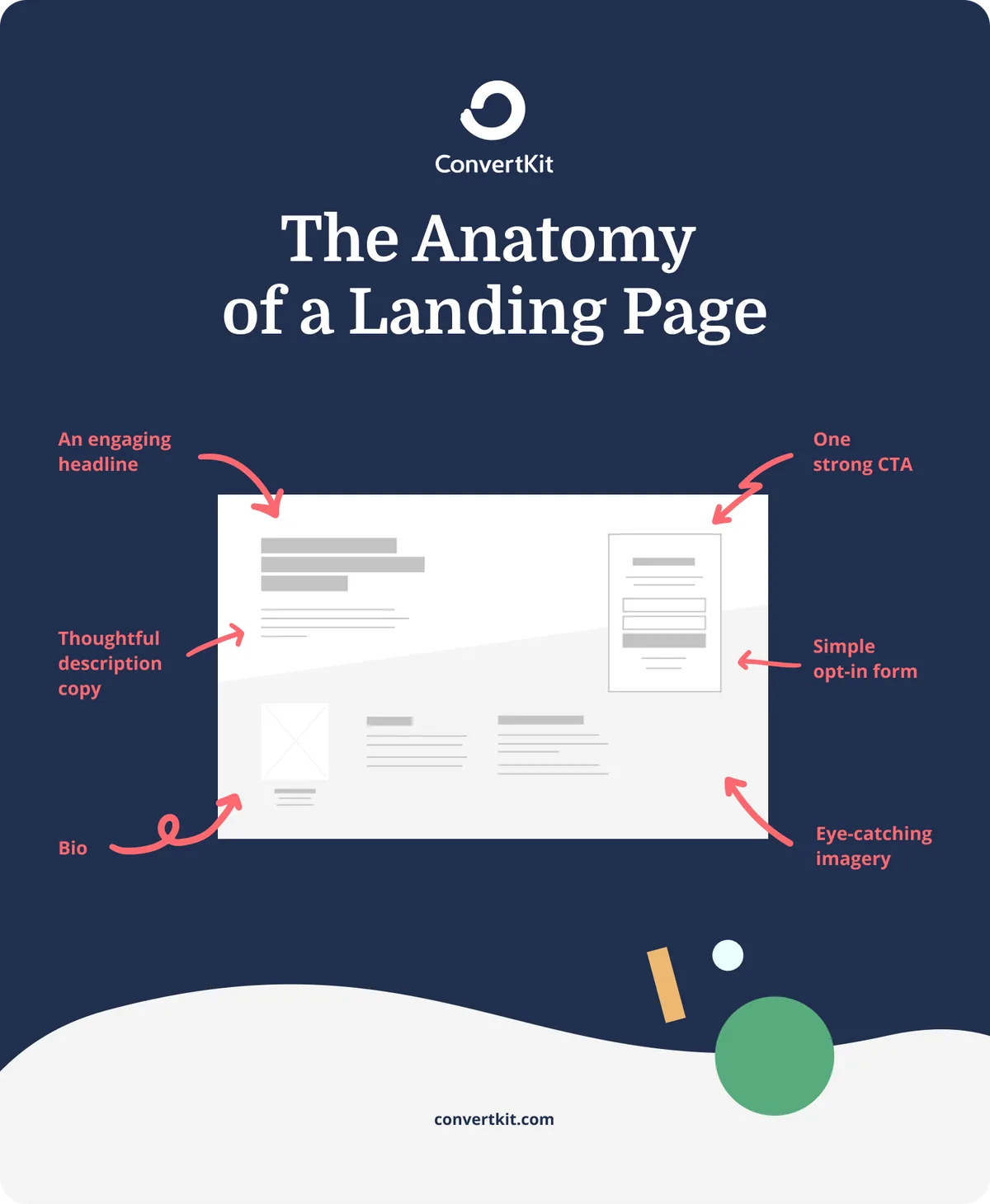
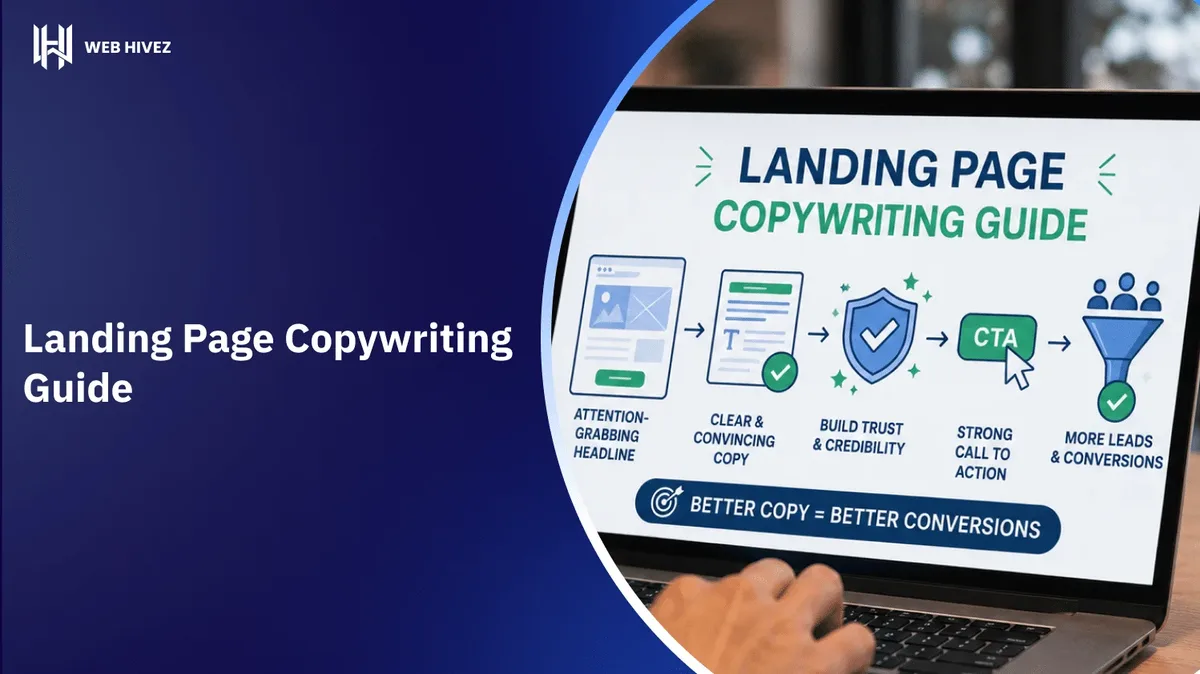
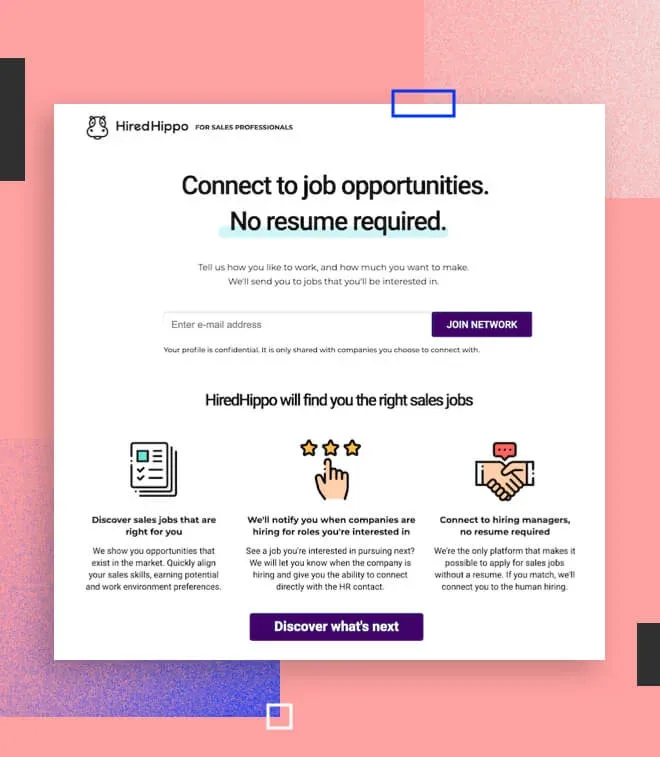
High-converting pages share a recognizable skeleton. Sections appear in a familiar order because each one handles a specific question the visitor is silently asking.
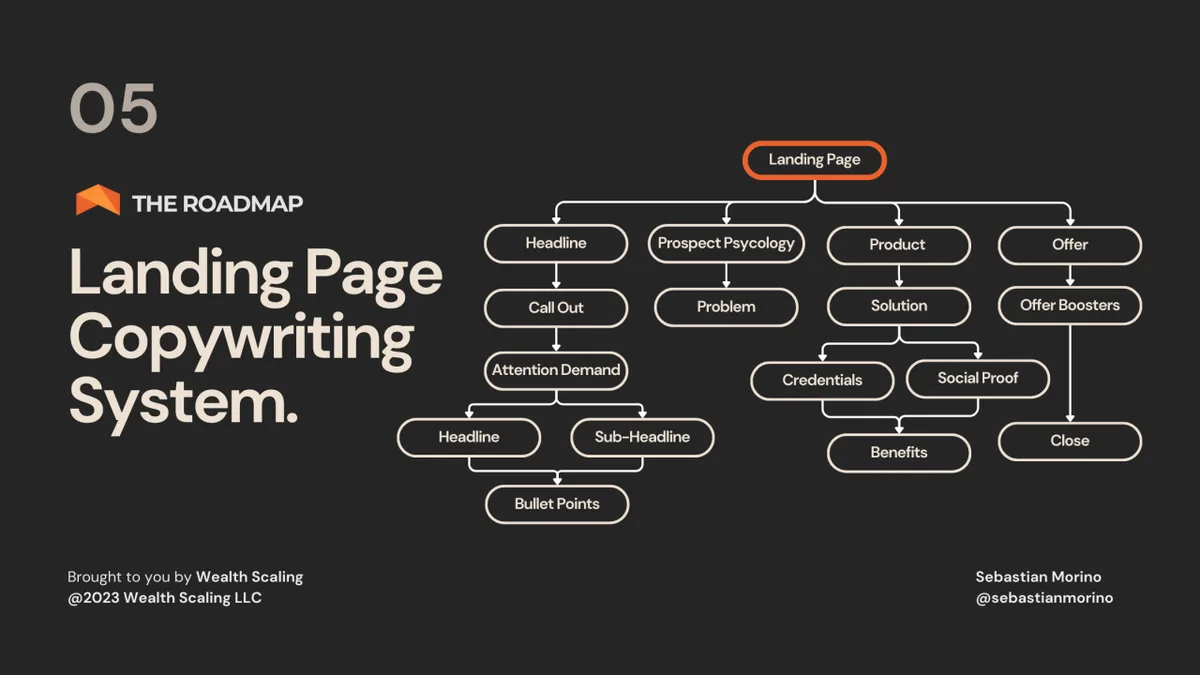
That order isn’t arbitrary. Integrating landing page copywriting into your workflow produces consistent quality. It follows the arc of a decision: grab attention, establish relevance, sell the benefit, build proof, handle objections, and drive action. Skip a stop and you leave a question dangling—and a dangling question is a reason to leave.
You don’t have to follow it rigidly. Some offers need heavier proof. Some need more objection-handling. But knowing the standard anatomy gives you a baseline worth deviating from only with purpose. This is the backbone of any serious landing page copywriting best practices framework.
The Hero Section: Five Seconds to Earn the Rest
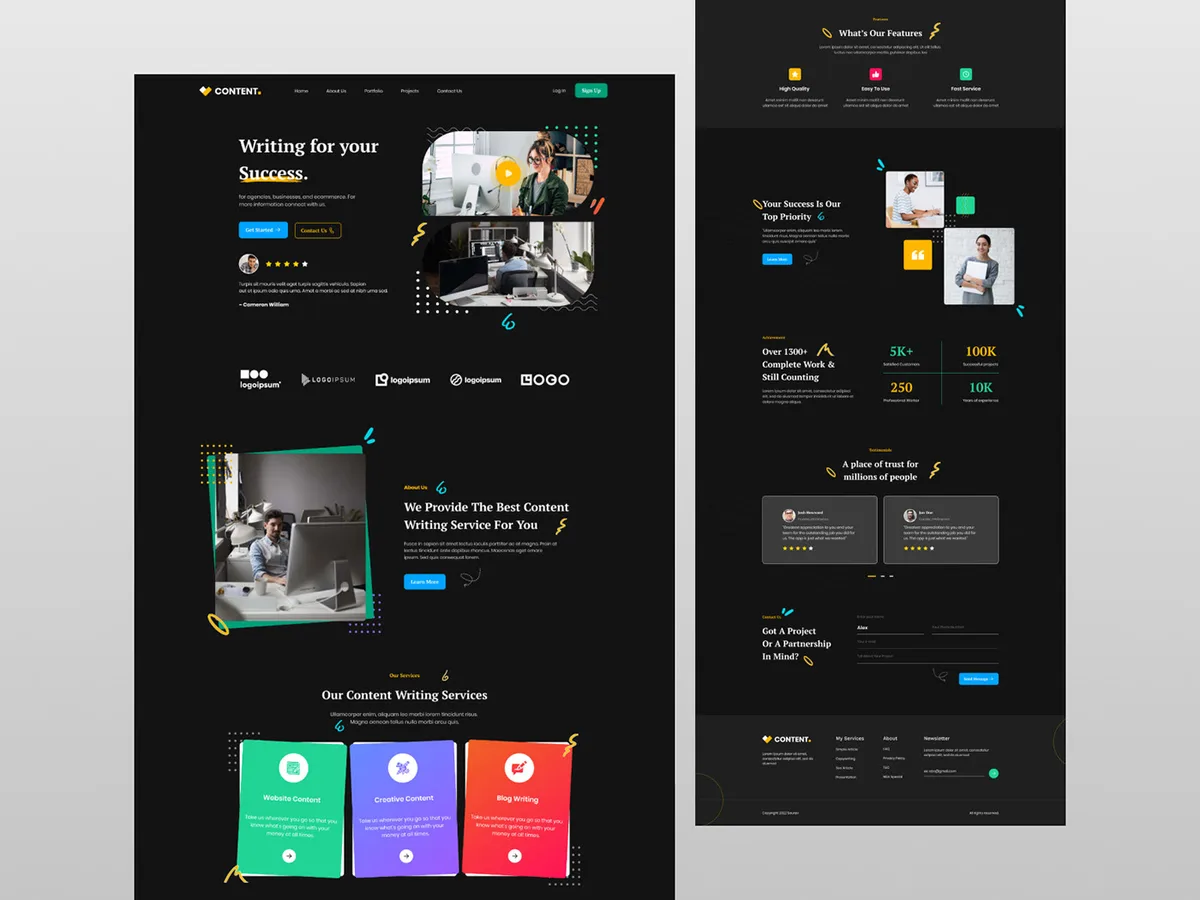
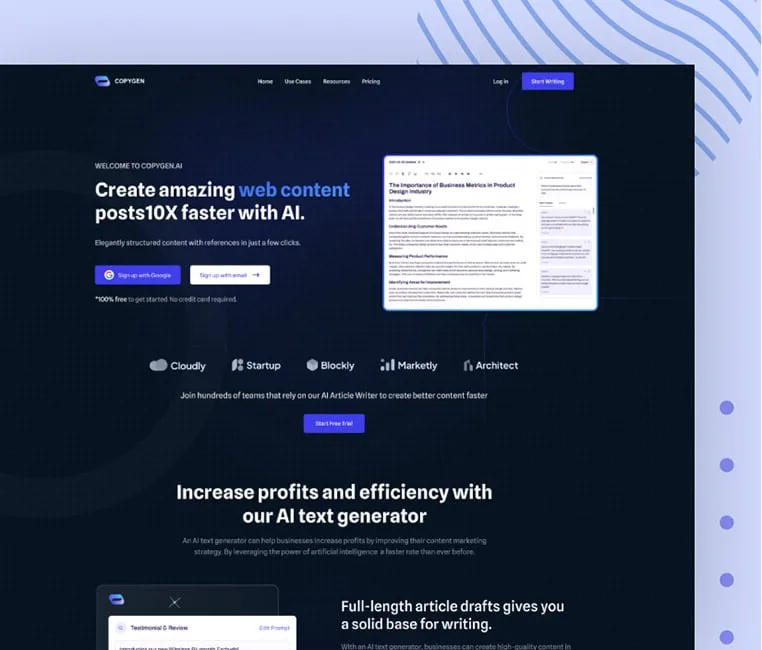
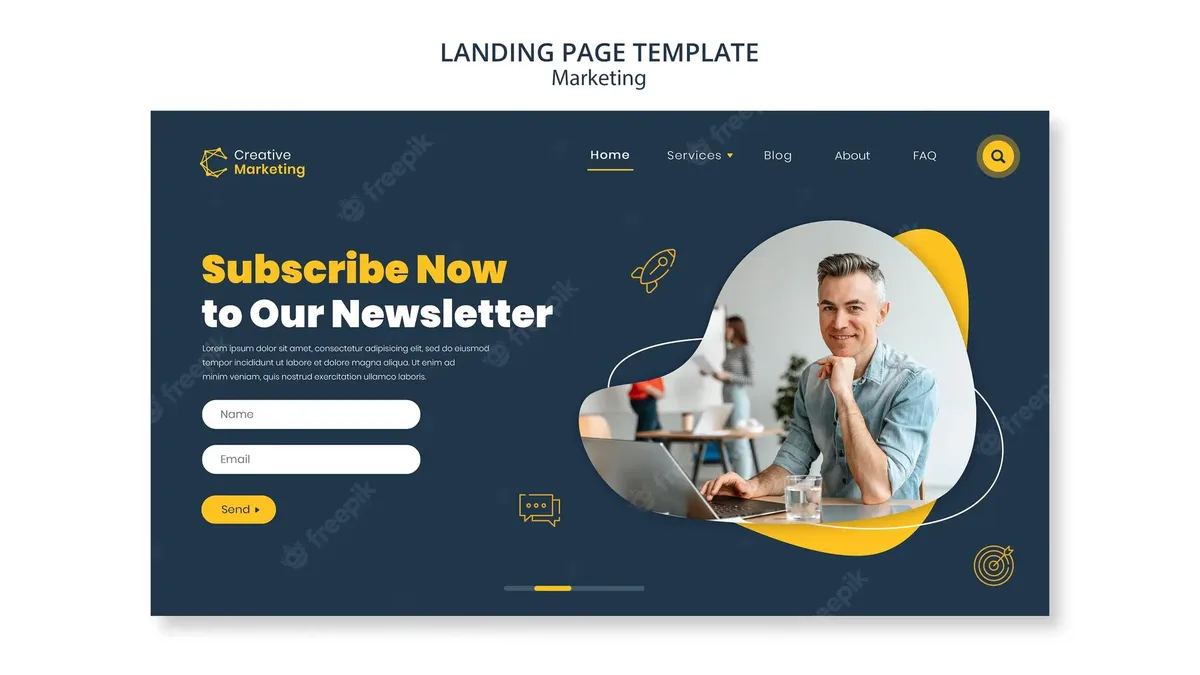
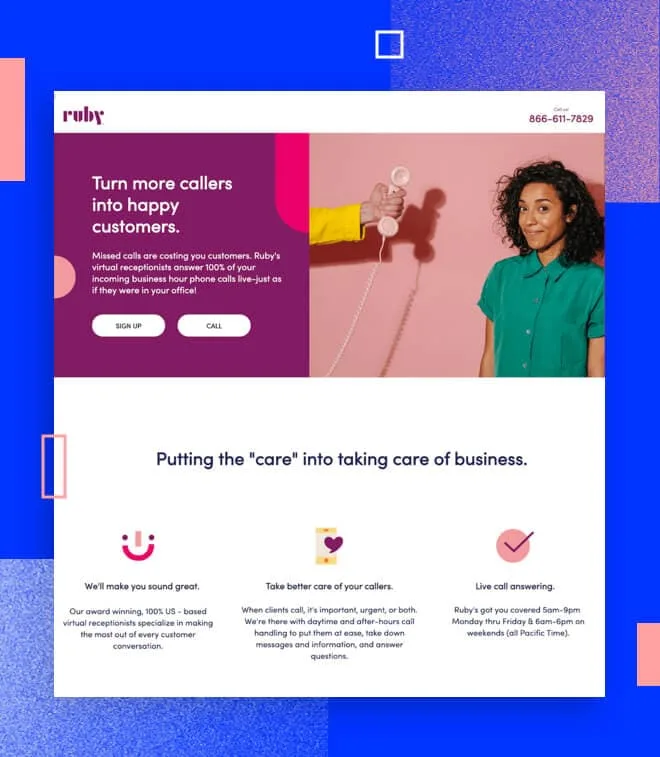
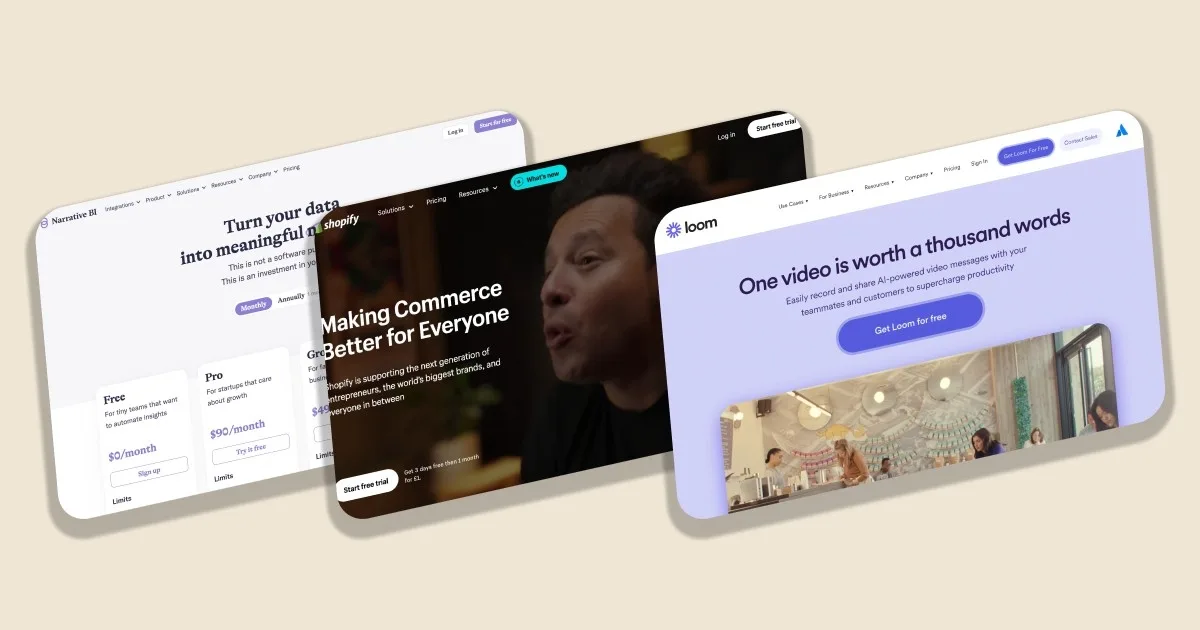
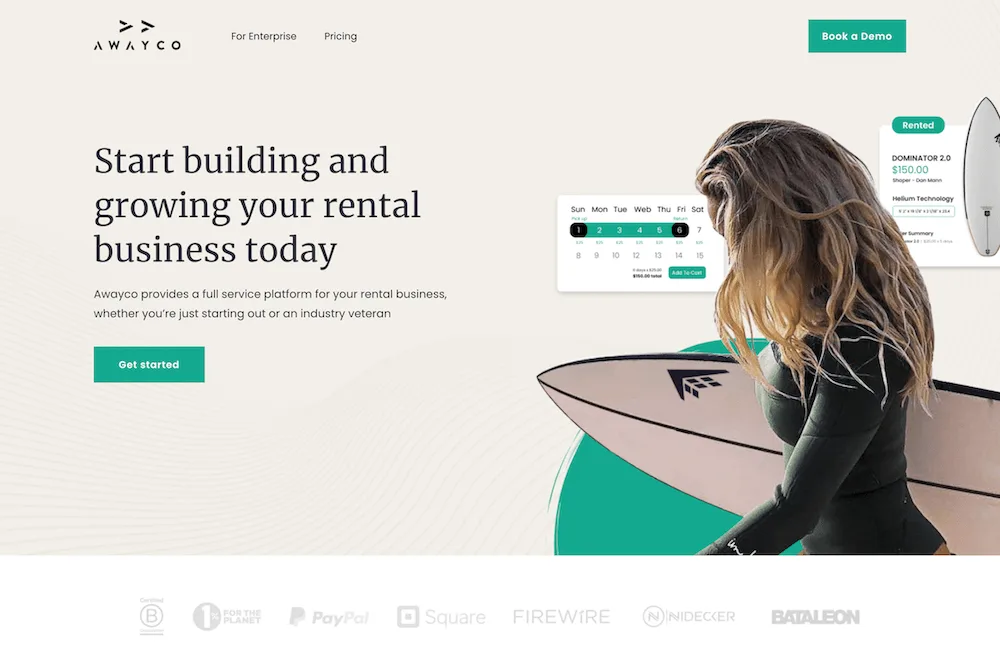
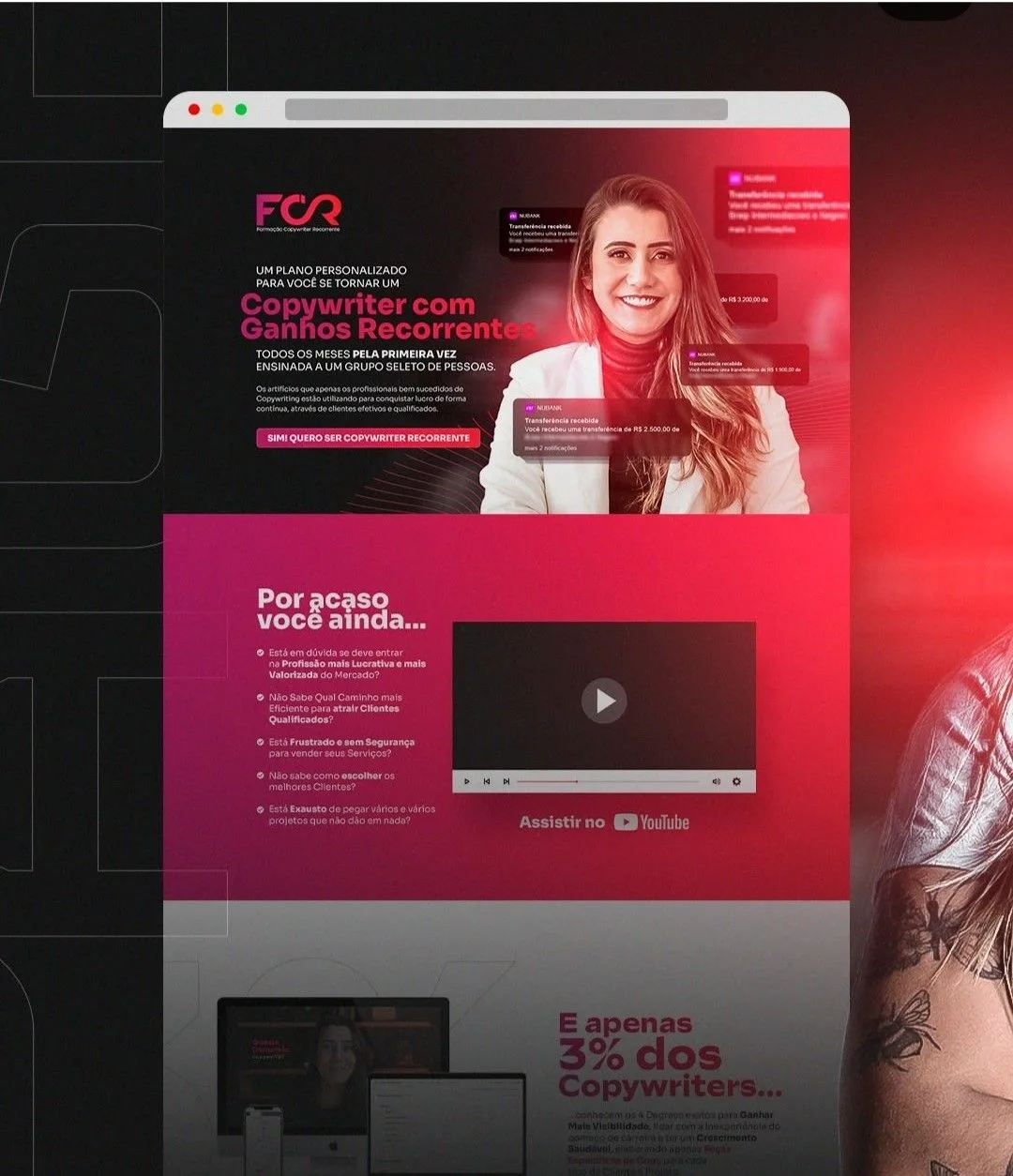
The hero section is your entire first impression collapsed into five seconds. It contains a headline, a subheadline, a visual, and the first call to action—and it has one job: make the visitor stop scrolling.
The headline states the core value proposition in plain terms. Targeted refinements to your landing page copywriting streamline the entire review. The subheadline adds the “how” or the “for whom.” The CTA offers a natural first yes. Everything else—trust badges, feature detail, testimonials—comes later.
I’ve seen hero copy alone lift conversion rates by wide margins. One client swapped a vague promise for a sharp, benefit-driven headline and their click-through to checkout nearly doubled. Nothing else changed. The hero did the work.
Value Proposition Blocks That Stack the Case
Below the hero, the landing page copywriting build the argument. This is where you translate features into benefits—what the thing does, turned into what the reader gets.
A feature is “encrypted cloud storage.” The benefit is “your files stay private even if your laptop gets stolen.” One describes a mechanism, the other answers the question the reader is actually asking: why should I care?
Strong pages stack three to five value blocks, each striking a different chord—speed, security, cost, ease, support. But every block must connect back to the reader’s real goal. Drift into feature-showing for its own sake and you’ve lost the plot.
Social Proof and Testimonial Placement
Nothing calms a hesitant visitor like evidence that others already took the leap and came out fine.
Testimonials, logos, case-study snippets, review counts, named results—all of the landing page copywriting works, but placement matters. Proof placed right after a strong claim reinforces it. Proof placed near the CTA eases the final wobble. Proof buried at the very bottom does almost nothing.

The best testimonials are specific. “Great service” says nothing. “Halved our ad spend within six weeks” tells a story and answers the question, “Does this really work?” That distinction is where landing page copywriting turns proof into persuasion.
The CTA That Does the Heavy Lifting
The call to action is where everything converges. Every sentence before it should have made clicking feel inevitable rather than abrupt.
Strong CTAs are specific, active, and outcome-oriented. “Start My Free Trial” does more than “Submit.” “Get My Personalized Plan” does more than “Continue.” The button copy should read like the first step of the benefit, not a bureaucratic gate.
And the Landing page copywriting should appear more than once. Long pages need repeated, context-appropriate CTAs. A reader convinced midway shouldn’t have to scroll back through three thousand words to find the button. Restate, don’t repeat—each CTA can be framed slightly differently to match the section above it.
Headlines, Subheads, and the Hierarchy That Carries the Reader
Your headline is the single most impactful element on the page. Change it alone and you change everything downstream—the click, the read, the conversion.
I treat headline writing as a numbers game. Draft twenty. Cut the clever ones. Test the clearest against the most specific. The winner is rarely the most creative; it’s the one that makes the value obvious fastest.
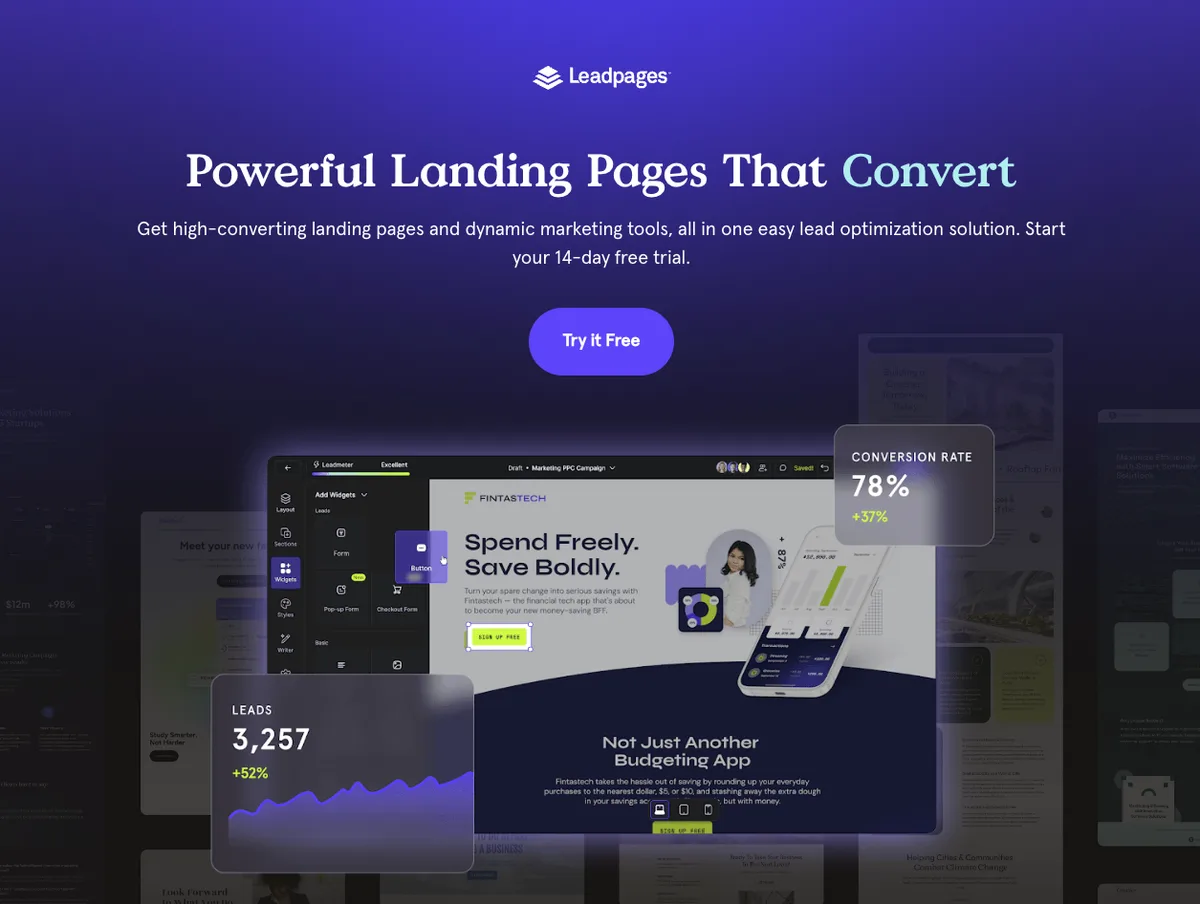
Subheads do similar work in miniature. For scanners, they act as a second, compressed version of the page—a story in bullet points. A reader skimming only the subheads should still grasp the offer, the benefit, and the next step. That’s a hallmark of disciplined landing page copywriting.
Formulas are a Starting Point, Not a Destination
Headline formulas get a bad rap, and I get the landing page copywriting. “The Ultimate Guide to X” and “How to Y Without Z” have been worn smooth by repetition. But a formula isn’t a crutch—it’s scaffolding.
The classic structures work because the Landing page copywriting encode a proven pattern: the promise of an outcome, the elimination of a pain, or the curious gap before an answer. Use them to break the blank page, then rewrite until they sound like a human talking.
The formula that goes wrong is the one you never edit. A formula should spark the idea, not finish the sentence for you. When landing page copywriting tips sound like mad-libs, the reader can feel it—and they leave.
Microcopy: the Small Words That Swing Big Decisions
Microcopy—the tiny bits of text around forms, buttons, and fields—rarely gets attention, yet it quietly props up or undermines the whole page.
“No credit card required.” “Cancel anytime.” “the landing page copywriting’ll never share your email.” Each line addresses a specific fear at exactly the moment it surfaces. Move that reassurance a click too far away and the visitor stalls at the form.
I remember a checkout audit where one line above the pay button—”Your card is charged once, no auto-renewal”—lifted completed purchases by a meaningful margin. No redesign. No testing of headlines. Just a small, honest reassurance in the right spot at the right moment.
Landing Page Copywriting Formulas Worth Stealing
The community has developed a handful of frameworks that reliably structure persuasive pages. You don’t need all of them. You need the one that fits your offer.
Each formula answers a slightly different question. Some suit high-priced B2B solutions; others fit cheap impulse buys. Using the wrong one creates friction—the messages are right but the order feels off. Part of mastering landing page copywriting is knowing which skeleton to hang your content on.
Here are the ones I reach for most, along with the situations where each shines.
AIDA: the All-Rounder
Attention, Interest, Desire, Action. The classic, and still the workhorse for a reason.
You grab attention with the headline, build interest with relevance and clarity, cultivate desire through benefits and proof, then ask for the action. The structure maps cleanly onto the modern hero-to-CTA flow, which is why it survives every shift in consumer behavior.
AIDA’s weakness is its broadness. It tells you what order to place things in, not what to say. Newer writers sometimes mistake it for a complete method when it’s really a skeleton waiting for meat. Still, as a starting point for landing page copywriting best practices, it’s hard to beat for clarity and reliability.
PAS: Problem, Agitation, Solution
PAS hits harder, and faster. Name the problem, make the reader feel its weight, then present the solution.
The landing page copywriting works best when the pain is acute and well-understood—wasted time, lost revenue, failed tools, bad hires. The agitation step is where most writers flinch. They soften it because it feels unkind. But underperforming pages often need that extra turn of the screw to make the solution feel earned.
Watch the balance. Over-agitate and you’ll sound like late-night infomercials. The sweet spot names the pain sharply, then pivots to relief with specific, grounded solutions. When it’s dialed in, PAS is one of the most efficient frameworks in landing page copywriting.
Before-After-Bridge
Before-After-Bridge paints a transformation. First, the “before”—the reader’s current struggle. Then the “after”—life once the problem is solved. Finally the “bridge”—your product as the way across.
The landing page copywriting formula shines for services and products that deliver visible change: a new skill, a healthier routine, a cleaner workflow. The gap between before and after becomes the story, and your offer fills it.
Its risk is vagueness. If the “after” isn’t concrete—specific numbers, named outcomes, real scenarios—the bridge feels flimsy. Nail the specifics and readers see themselves on the far side, already convinced the journey is worth it.
Writing Each Section: from First Words to Final Click
Frameworks give you a plan. Execution is where pages live or die. This section is about the real, line-by-line labor of landing page copywriting—the choices that add up to a page that reads clean and converts hard.
You’ll write more than you need, cut most of it, and end up with something that feels effortless. That’s the job. Nobody sees the drafts; they see the clarity at the end.
Let’s walk through the sections in order and look at what makes each one pull its weight.
Drafting Headlines That Stop the Scroll
Headline drafting is a separate exercise from headline editing. Refining each detail of your landing page copywriting strengthens this section. First, get messy. Write every angle—benefit-led, pain-led, curiosity-led, proof-led, how-to.
Then cut. Delete anything vague, anything clever-for-clever’s-sake, anything that could belong to a competitor. What remains should make one promise, in one sentence, that a stranger understands instantly.
Test your finalists. Run them side by side if you have traffic to spare. Or show three to a colleague outside the product and ask what the page sells. If any of them hesitates, that headline isn’t ready.
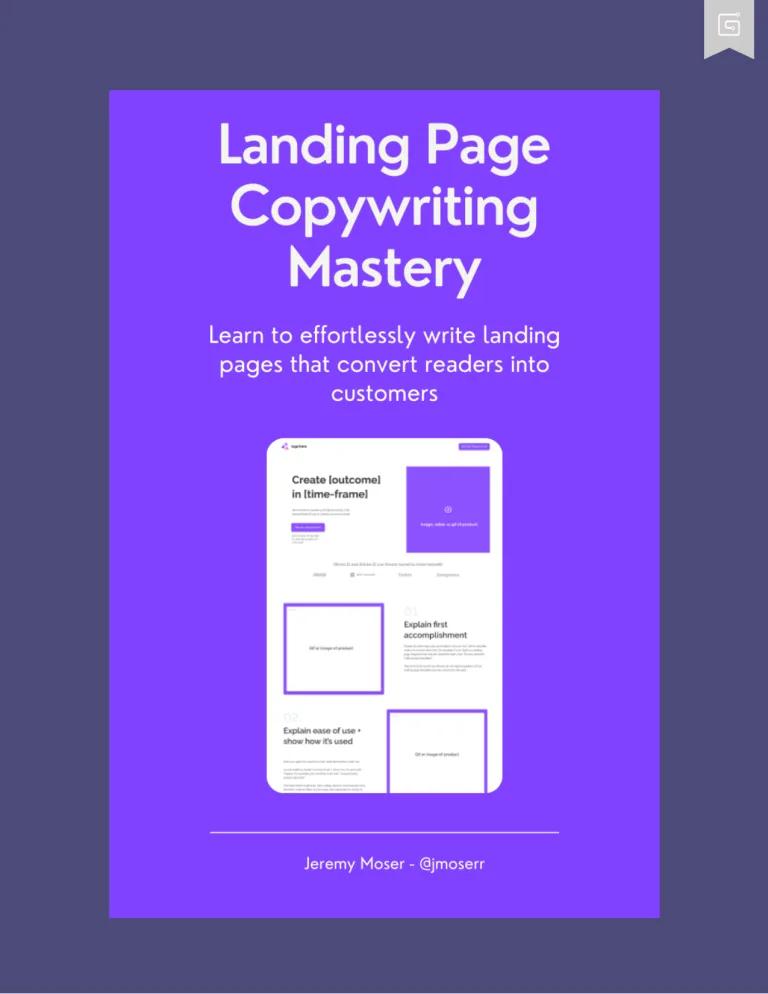
Bullet Lists: Tiny Blocks of Persuasion
Bullet lists get skimmed, which makes them one of the highest-ROI sections on any page. A strong bullet pairs a concrete benefit with a hint of detail—just enough to feel real, not so much that it becomes a paragraph.
Weak bullets repeat the same rhythm (“Save time,” “Save money,” “Get results”), which the eye skips. Strong ones vary and surprise. “No monthly fee—ever.” “Setup in eleven minutes, not eleven days.” “Cancel in one click; we won’t ask why.”
The test: does each bullet make the reader want to know more? If yes, it’s doing its job. If it just restates your landing page copywriting section above, cut it.
Handling Objections Without Sounding Defensive
Every visitor has objections. Left unaddressed, they harden into the reason for the bounce. Your copy has to answer them—proactively, at the point they arise.
List the top five reasons someone might say no. “Too expensive.” “Too difficult.” “Not sure it works.” “Won’t integrate with my stack.” “No time to switch.” Then write a calm, factual answer to each, in the order the reader will meet them.
Objection handling rarely works as a preemptive argument. It works as information the reader needed anyway. That’s a subtle but important shift from defensiveness to helpfulness—and it’s a hallmark of mature landing page copywriting.
CTAs, Urgency, and Honest Scarcity
The CTA needs to feel like the next natural step, not a hard sell. If everything above it did its job, the reader is already leaning in.
Framing matters. “Get My Free Audit” works better than “Download.” “Reserve My Spot” carries more momentum than “Submit.” Emotional precision in the button copy turns a click from a chore into a satisfying next move.
Urgency should be real. A strategy call that fills up, a cohort that closes on a set date, a launch price that ends with the launch. Manufactured timers and fake stock counters erode trust and often backfire. Honest urgency, however—used sparingly—gives the reader permission to act now.
Landing Page Copywriting Tips from the Trenches
Boots-on-the-ground tips rarely make the landing page copywriting into textbooks. These are the ones that come up again and again in real projects, and they rarely fail to improve results.
Treat them as a set of practical moves you can test on your next page. They’re not abstractions; they’re decisions you can make today, measure in a week, and refine over time. Anyone who’s handled landing page copywriting for a while has a personal stash of these. Here’s mine.
- Write the CTA before you write the page. When you know the exact action you’re driving toward, every earlier sentence gains a target. Writing the CTA first forces clarity on the offer—which is usually the real problem behind weak copy.
- Read your page out loud. Your ear catches what your eye misses. Sentences that seemed fine on screen stumble when spoken. Any phrase you’d never say to a friend probably needs cutting.
- Replace “we” with “you” wherever the sentence allows. Count the pronouns. If the page talks mostly about the company, it isn’t serving the reader. A simple audit that shifts the balance immediately tightens the copy.
- Kill every hedge. “We believe you may find that your team could potentially benefit”—no reader tolerates that. “Your team saves six hours a week” earns the eye. Confidence is contagious, and so is hedging.
- Front-load the benefit in every sentence. Put the payoff where the reader’s eye lands first. The mechanism can follow. This isn’t stylistic—it’s how scanning works.
- Add a named example whenever you generalize. “Customers see results” becomes “Acme cut onboarding from 22 days to 6.” One is a claim; the other is a story the reader can verify.
- Show the form before the form. A short line about what happens after the click—”We’ll email a calendar link within one business day”—removes hesitation and lifts completion.
- Use numbers for the things that matter. Pricing, time, savings, deliverables, integrations. Round numbers feel invented; precise numbers feel observed.
- Match the promise to the source. If the ad promised a demo, the hero should deliver a demo. Mismatch is one of the most common landing-page killers, and the fix is entirely in the copy.
- Repeat the core benefit before each CTA. A single-sentence nudge from the section above the button reminds the reader what they’re buying into, mentally, with a click.
- Cut the buzzwords—every single one. “Synergy,” “streamline,” “leverage,” “unlock”—readers translate these to filler in one blink. Simpler words make sharper promises.
- Let one idea own one section. Pages fail when sections try to do too many jobs. One section, one idea, one small step toward the CTA.
- Write a 25-word version of your entire page. If you can’t summarize the offer in 25 words, you don’t yet understand it well enough to write the long version.
- Leave the last word to the reader. End each section with a line that nudges the reader forward rather than wrapping everything up. Momentum is a conversion tool.
- Review the page on a phone. Not in a browser resized to 375px—on an actual phone, with one thumb, on a commute. The copy that survives that read is the copy that converts.
Landing Page Copywriting Checklist: the Pre-Launch Audit
Before you ship, run the page through a checklist. Not because checklists create magic, but because they catch what tired eyes miss.
I’ve watched page launches fail for missing a single line of reassurance or a single misaligned promise. The awkwardness of auditing pales against the cost of a leaky page quietly burning ad spend. That’s the whole point of a landing page copywriting checklist—it forces you to slow down exactly when you’re eager to ship.
Here is the version I’ve refined through repeated iteration. Applying these principles to your landing page copywriting yields measurable results. Work through it out loud, if you can.
The Message and Alignment Test
First, confirm the page promises what the ad promises. Open the ad, open the page, and read them side by side. Same offer? Same language? Same next step?
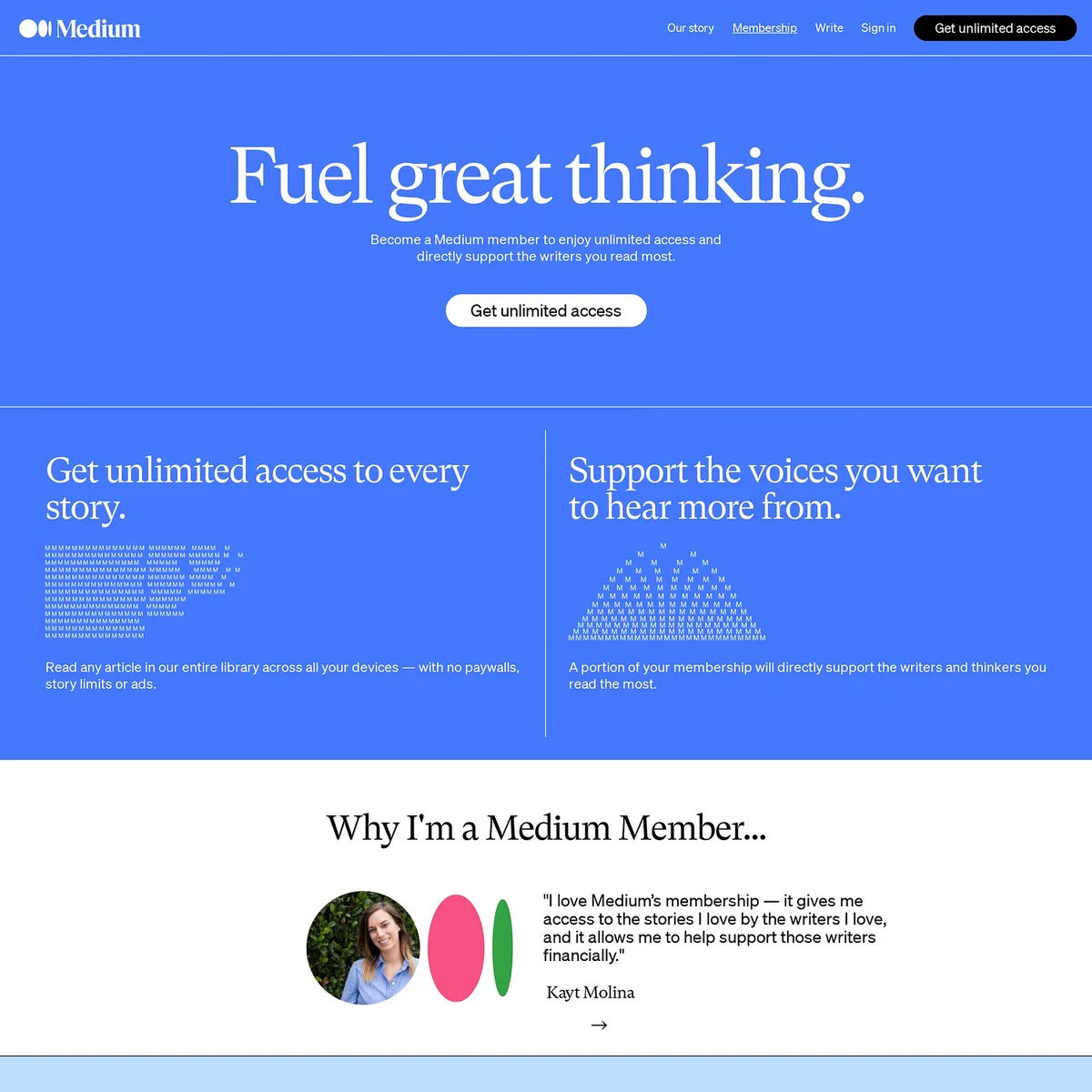
Then test the 5-second rule. Show the hero to someone unfamiliar with your product. In five seconds, can they tell you what it is, who it’s for, and what to do next? If not, the hero needs work before you touch anything below it.
Finally, check for a single goal. One action, one CTA. If the page is trying to sell three things or send people in three directions, cut the extras and rebuild around the primary goal.
The Credibility and Clarity Test
Read the page claiming by claiming. Which sentences would a skeptical reader question? Which claims lack evidence? Where would a stranger pause?
Then check the proof. Are testimonials specific? Are customer names real? Are numbers verifiable? A vague testimonial can actually lower trust because it flags to the reader that the strongest proof was unavailable.

Run the “explain it to my mom” test. If a reader outside the industry can’t follow the offer, the copy is too clever. Simplify until the value lands for a stranger. Landing page copywriting is at its best when it says the obvious thing well.
The Technical and Readability Test
Now the boring parts—which still cost the landing page copywriting conversions. Spellcheck, broken link check, form submission check. Test the page on mobile, desktop, and the slowest connection you can find.
Look at line length. Paragraphs over four lines on mobile crush readability. Break them up. Check that subheads summarize the page for a scanner. Check that alt text on any images describes them meaningfully, since it’s both an accessibility requirement and a search signal.

Also confirm the page loads quickly. A few extra seconds of load time can slash conversion rates, and no amount of sharp writing rescues a page that never renders smoothly.
Testing and Iterating: Where Real Gains Live
Copywriting isn’t a first draft. It’s a series of controlled experiments where each result reshapes the next decision. Pages that convert at the highest levels almost never started that way.
Testing has a rhythm. You hypothesize, isolate one variable, run the test long enough to trust the result, and either adopt or discard. Do that often enough and the compounding effect is enormous.
The trap is testing everything at once. Redesign the whole page and you have no idea what worked. Isolate the variable—the headline alone, the CTA alone, the proof section alone—so that the result teaches you something you can reuse.
What to Test First (And What to Ignore)
Start with the elements with the highest leverage: the headline, the hero image, the value proposition, the social proof placement, and the CTA copy. Those tend to move the needle most.
Skip the low-gravity tweaks for a while. Button color, exact border radius, minor icon swaps—those rarely produce statistically meaningful results unless you have enormous traffic. Focus your testing muscle where the message lives.
Voice of customer research is another underrated testing input. Read support tickets, sales call transcripts, and review site comments. Steal the exact language customers use to describe the problem. Then test whether that language outperforms your in-house phrasing. Very often it does.
Reading Results Honestly
Statistical significance isn’t a suggestion. A test that ends too soon tells you nothing but noise. Determine the sample size and duration before launch—not after seeing the early numbers.
Common Landing Page Copywriting Mistakes (And How to Fix Them)
- Headline that describes, not persuades. “Welcome to Our Company” tells the reader nothing. Rewrite around an outcome—”Close More Deals Without More Admin”—and the page has a reason to exist.
- Me-focused copy. Count “we” versus “you.” If the page is dominated by the company, the reader’s needs were an afterthought. Shift the balance and watch comprehension improve.
- Vague claims without proof. “Trusted by thousands” is wallpaper. Replace with a named customer, a specific result, or a verifiable number. Credibility is earned with detail.
- Too many CTAs, or too few. One page, one goal. Extras scatter attention. But hide the CTA only at the bottom and button-avoiders won’t find it. Restate the action after each convincing section.
- Missing objection handling. Every unaddressed concern is a reason to leave. Price, difficulty, integration, time-to-value—name each and answer it calmly.
- Friction in the form. Every field the reader doesn’t expect adds a moment to quit. Ask only what you need for the next step. Say what will happen after the click.
- Mismatched promise and ad. The ad promised a free trial; the page sells a demo. Three different offers on the same click stream. Align the promise to the source, no exceptions.
- No specificity. “Powerful,” “robust,” “state-of-the-art”—these are words people skim past because they carry no meaning. Replace with facts the reader can picture.
- Walls of text. Dense paragraphs are read by nobody. Short paragraphs, subheads, bullets—structure is what lets the reader finish.
- No social proof. Or worse, vague social proof. Specific testimonials near claims and CTAs give the page its cushion of trust.
- Hidden value proposition. If the strongest benefit isn’t visible without scrolling, it might as well not exist. Front-load the promise in the hero.
- Missing microcopy. “What happens next?” “Is my data safe?” “Can I cancel?” A single line of reassurance in the right place closes more than any rewrite.
- Manufactured urgency. Fake timers and false scarcity training wheels. Honest scarcity—only when it’s real—earns trust without the aftertaste.
- Neglecting mobile. Over half your traffic may arrive on a phone. If the page reads badly on a thumb-scroll, it leaks conversions everywhere.
- No testing plan. Shipping and walking away leaves money on the table. Every page is a hypothesis waiting to be refined.
Tools, Research, and the Voice-of-Customer Edge
The following key points are covered in this section:
- Mining Reviews, Calls, and Support Tickets
- A/B Testing Platforms and Heatmaps
- AI Drafts and the Human Edit
Adapting Your Copy to Different Audiences and Industries
- B2B SaaS and High-Consideration Purchases
- E-commerce and Impulse Buys
- Service Businesses and Local Offers
Bringing It All Together: Launch With Confidence
| Page Element | Core Job | Common Failure | Fix |
|---|---|---|---|
| Headline | State the value prop in 5 seconds | Clever, not clear | Rewrite around the outcome |
| Subheadline | Add “how” or “for whom” | Repetition of headline | State mechanism or audience |
| Value prop blocks | Turn features into benefits | Feature-dumping | Answer “why should I care?” |
| Social proof | Calm hesitation | Vague testimonials | Use named, specific results |
| CTA | Drive one action | Generic “Submit” | Outcome-oriented copy |
| Microcopy | Answer last-minute fears | Missing reassurance | Add “what happens next” |
| Mobile view | Readable on thumb-scroll | Long paragraphs | Short lines, clear subheads |
Quick FAQ: Common Questions About Landing Page Copywriting
For verified reference and background research, consult the authoritative informational resource on this topic.