Content Writer Portfolio: Complete Beginner’s Guide
A content writer portfolio is the single document that decides whether a hiring manager keeps reading or closes your tab in four seconds. I have reviewed hundreds of portfolios from writers applying for their first paid gig, and the pattern never changes: the ones that land work are not the ones with the most samples. They are the ones built with intention, structure, and a clear sense of who they are writing for.
Think of this as the parent topic of everything else you will read about freelancing later — pitching, rate negotiation, client retention. None of it works without a portfolio that proves you can write.
Below you will find a full content writer portfolio guide built for absolute beginners, from the blank-page problem through to the first client email you will send, and content writer portfolio best practices is what the reader checks first.
What follows is not a list of vague encouragement. You will get a working structure, a content writer portfolio checklist you can tick off line by line, and the mistakes that quietly kill applications. Let’s start where most beginners actually are: staring at an empty folder with no published clips.
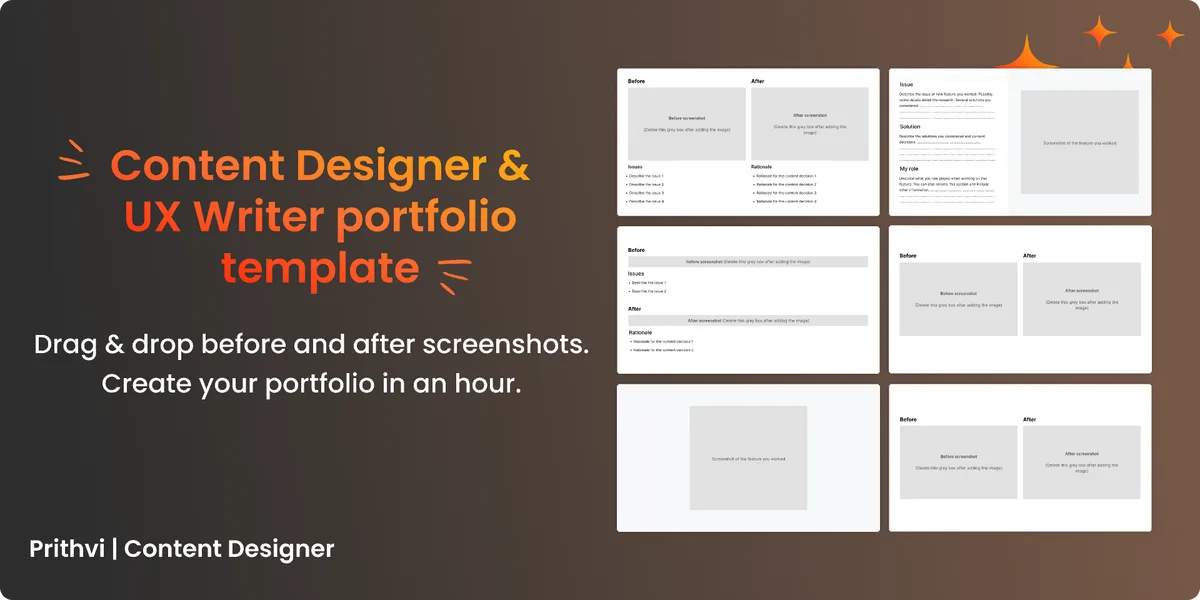
Why a Content Writer Portfolio Matters More Than a Resume
Hiring editors rarely read resumes line by line. They scan for proof of ability, and proof lives in samples. your content writer portfolio claims you can write clean, persuasive copy; a portfolio shows it. That gap between claiming and showing is where careers get decided.
There is also a filtering effect at play. Most content managers receive dozens of applications for a single freelance slot. The fastest way to cut that pile is to click the sample links first.

If the links are dead, generic, or irrelevant to the niche, the application goes into the no pile before anyone reads your education section.
From my experience working alongside content leads, three things get checked in the first pass: relevance of samples, quality of the opening line, and whether the writer understood the brand’s audience. A strong content writer portfolio answers all three in under a minute. That is the bar.

What Recruiters Actually Look for in the First Thirty Seconds
They want to see the niche, the format, and the outcome — fast. A genuine content writer portfolio best practice is to label each sample with the format type and the goal it served, rather than dropping a raw link with no context.
Imagine two applicants. Refining each detail of your content writer portfolio strengthens this section. One sends a bare link to a blog post. The other writes: “Long-form buying guide for a home audio retailer, written to rank for comparison searches, 1,900 words.” Same link, completely different impression. The second writer has done the thinking for the reviewer.
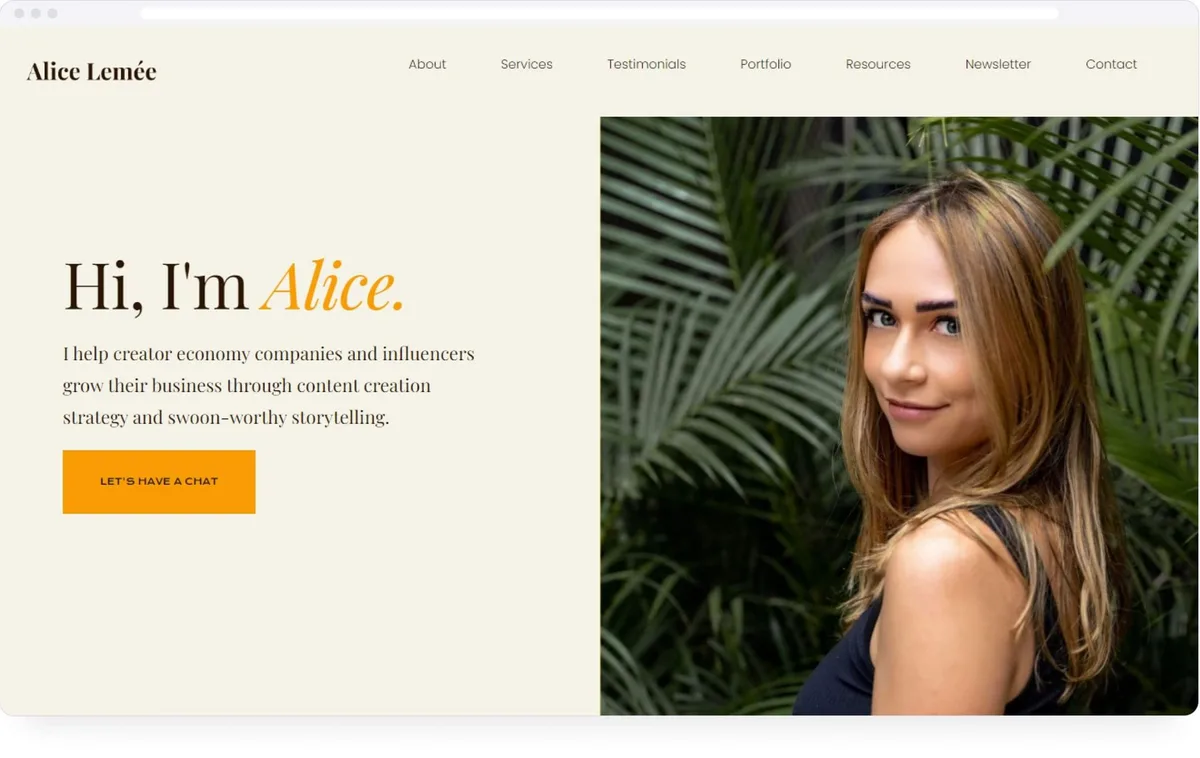
Keep this in mind as you build: every element of the portfolio should reduce the mental effort required to evaluate you. That principle drives almost every recommendation in this guide.
How to Build a Content Writer Portfolio With Zero Published Clips
This is the wall every beginner hits, and it is not as tall as it looks. You do not need permission to write samples. You need a subject you understand and a format that matches the work you want.

Start by choosing three niches the content writer portfolio could talk about for twenty minutes without research. Common choices are personal finance, health and wellness, software tools, and local service businesses. Pick the ones where you have genuine knowledge, because authenticity shows in the prose.
Next, write three to five pieces at publishable length. Not fragments, not 300-word blurbs. Full articles between 1,000 and 2,000 words, edited twice, with a clear headline. Then publish them somewhere real. That can be a free blog, a Medium profile, a LinkedIn article, or a simple self-hosted site.
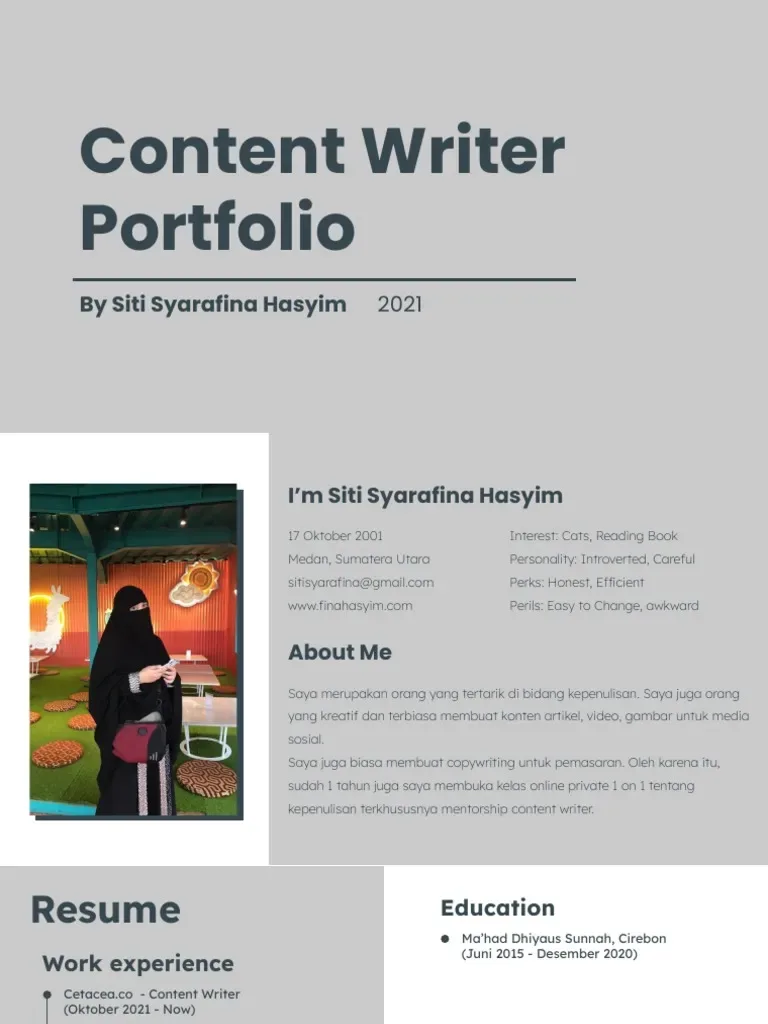
The last step matters more than the first: treat these as client-style work, not diary entries. Give each sample a stated audience and purpose. “Written for first-time home buyers” is context. “Content writer portfolio tips” as a title with no angle is not.
Spec Work versus Published Clips: What to Do When You Have Neither
If you have no clips and no interest in publishing publicly, spec work is your bridge. Write as if a specific brand hired you, then label it clearly as a sample rather than implying it was published. Honesty costs nothing and protects your reputation.

One practical trick: pick a brand the content writer portfolio already use, study their tone, and write one piece that fits their editorial style. Send it only if it genuinely matches. This shows research ability, which is half of what content writing actually is.
Spec pieces age well too. A sample written for a mid-sized e-commerce brand can be repurposed for several applications as long as you keep the labeling honest and the content evergreen.

The Content Writer Portfolio Checklist Every Beginner Should Follow
Use this as a hard gate before you send a single application. It is not aspirational; each item on it solves a specific failure I have seen in real submissions. Run through it every time you update your portfolio.
- Three to five samples minimum, all full pieces. Fewer looks thin, more looks unfocused. Keep the strongest three to five and archive the rest.
- Niche labels on every sample. State the industry and the audience. A reviewer should not need to guess.
- Format tags: blog post, landing page, email sequence, case study. Show range without losing coherence.
- A short bio with a clear positioning line. Name the kind of writing you do and who you do it for.
- Contact method that actually works. A single email address and a working contact form beat a wall of social icons.
- One clear call to action. “Available for freelance projects — email me” is enough.
- Mobile-tested layout. Most hiring managers will open your portfolio on a phone during a commute.
- Fast load time. Heavy images and auto-playing video will lose you before your first paragraph loads.
- Working links. Test every single one. Broken links are a silent disqualifier.
- A visible URL that is easy to type. Long paths with tracking parameters look amateur.
This content writer portfolio checklist is not a one-time exercise. Revisit it every three months, retire weaker samples, and add work that reflects where you want to go next.

What Types of Writing Samples Belong in a Content Writer Portfolio
Beginners tend to assume they need every format. You do not. You need samples that mirror the work you are applying for. A content writer portfolio is a targeted tool, not an archive of everything you have ever typed.
Group potential samples into four formats the content writer portfolio recruiters recognise immediately, then pick two or three based on the jobs you want. The chart below shows what each format proves to a hiring editor.

| Sample Format | What It Demonstrates | Best For Applying To |
|---|---|---|
| Long-form blog post | Research depth, structure, SEO awareness | Content agencies, publishers, B2B blogs |
| Landing page copy | Persuasion, clarity, conversion thinking | SaaS startups, e-commerce brands |
| Email sequence | Voice consistency, sequencing logic | Newsletter-driven brands, marketing teams |
| Case study or product description | Technical accuracy, benefit framing | Manufacturers, software, finance |
Notice that a single format rarely covers everything. Mixing two is usually the sweet spot for beginners. The point is intent: choose samples that map directly to the role, not samples that happen to exist.
Should You Include SEO Keywords and Article Specs?
A short note of context under each sample helps here. Listing the target keyword or search intent signals that you understand content performance, not just prose. Many content writer portfolio tips ignore this, and it is a missed opportunity.
Keep it to one line. “Targeted comparison searches, ranked page one within three months” communicates more than a paragraph of self-praise. If the piece never ranked, say what it was designed to do instead.
How to Present Your Samples So They Get Read
Presentation is where most beginner portfolios quietly fail. Structuring your content writer portfolio around proven patterns ensures impact. The samples might be excellent, but if the reviewer has to hunt for them, you lose. Clarity beats clever design every time.
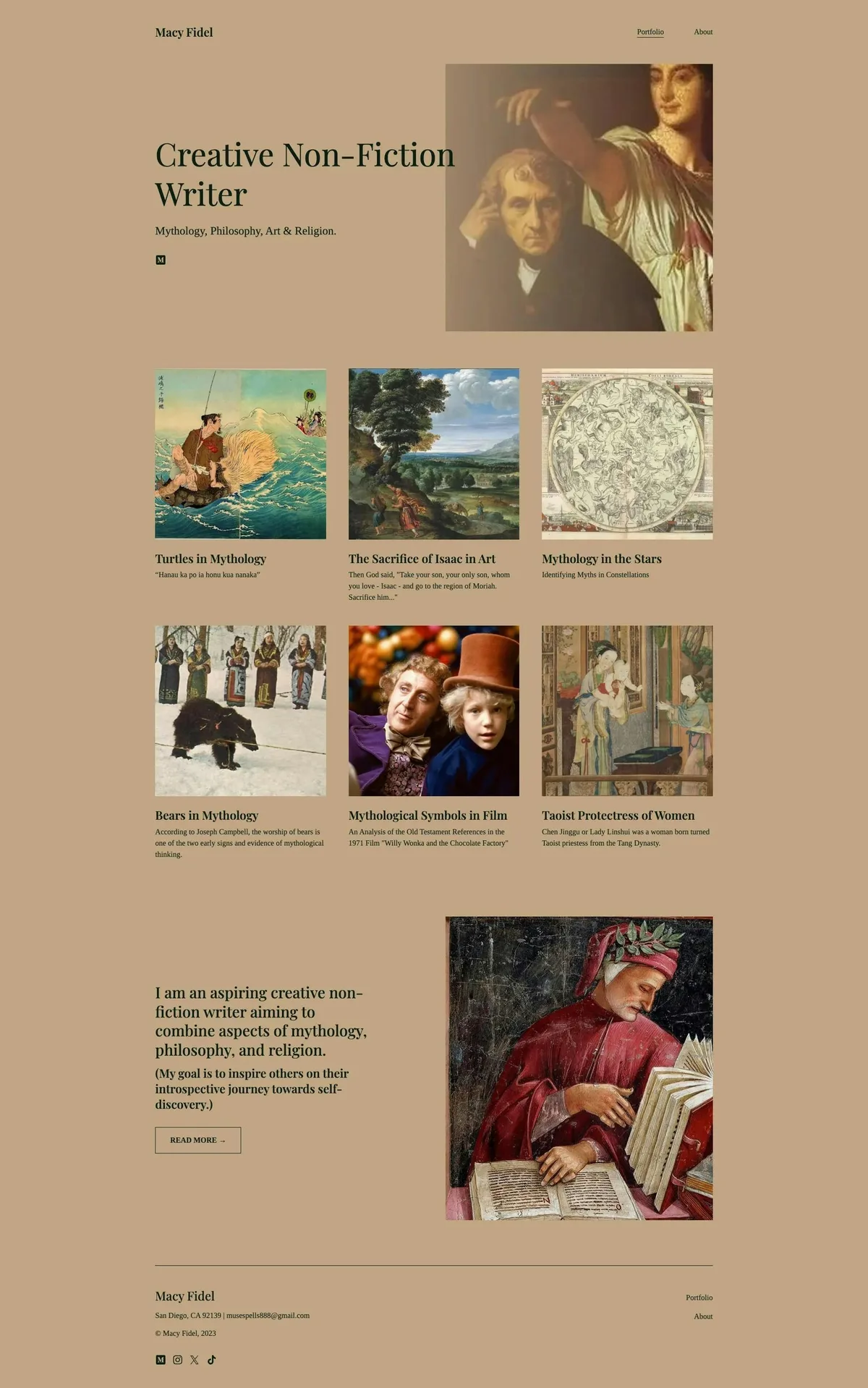
Lead with a single positioning line at the top: “Content writer for SaaS and finance, focused on long-form explainers.” A reader should understand what you do before scrolling. Below that, a clean grid of samples with titles, niches, and one-line descriptions.

Number the samples too — reviewers cite them when discussing candidates internally. “Sample three, the email sequence” is easier to reference than “the second link down.” This sounds like a small detail until you are the one being discussed in a hiring huddle.
The Case Against Auto-Scrolling Sliders and Heavy Animation
Auto-rotating carousels hide content. Animation slows load. Both add risk without adding clarity. A content writer portfolio best practice is to treat the page like a shop window: everything visible, nothing that requires waiting.
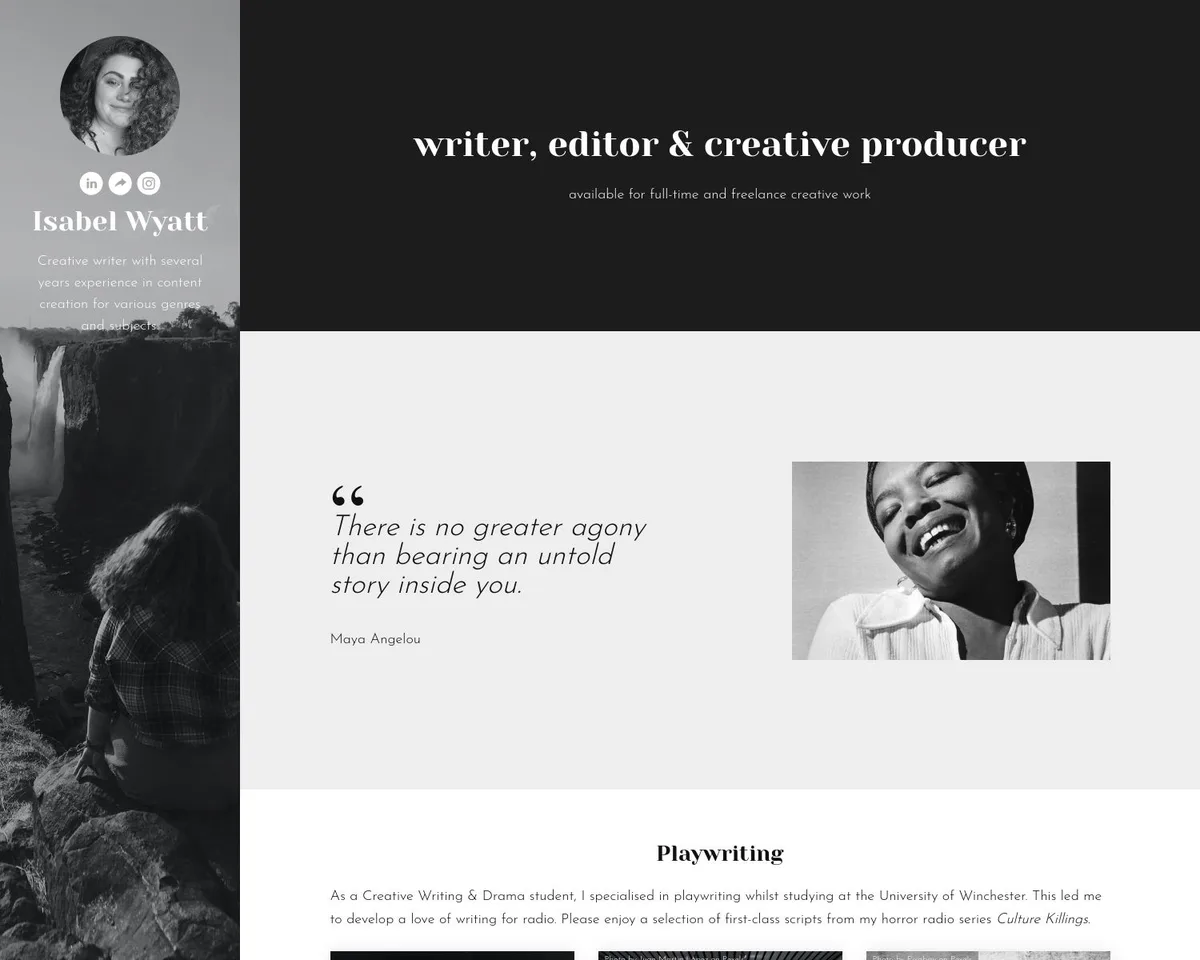
Whitespace is your ally here. Applying these principles to your content writer portfolio yields measurable results. Generous spacing and clear headings make even a short portfolio feel deliberate. Cluttered layouts read as amateur, regardless of how strong the writing underneath actually is.
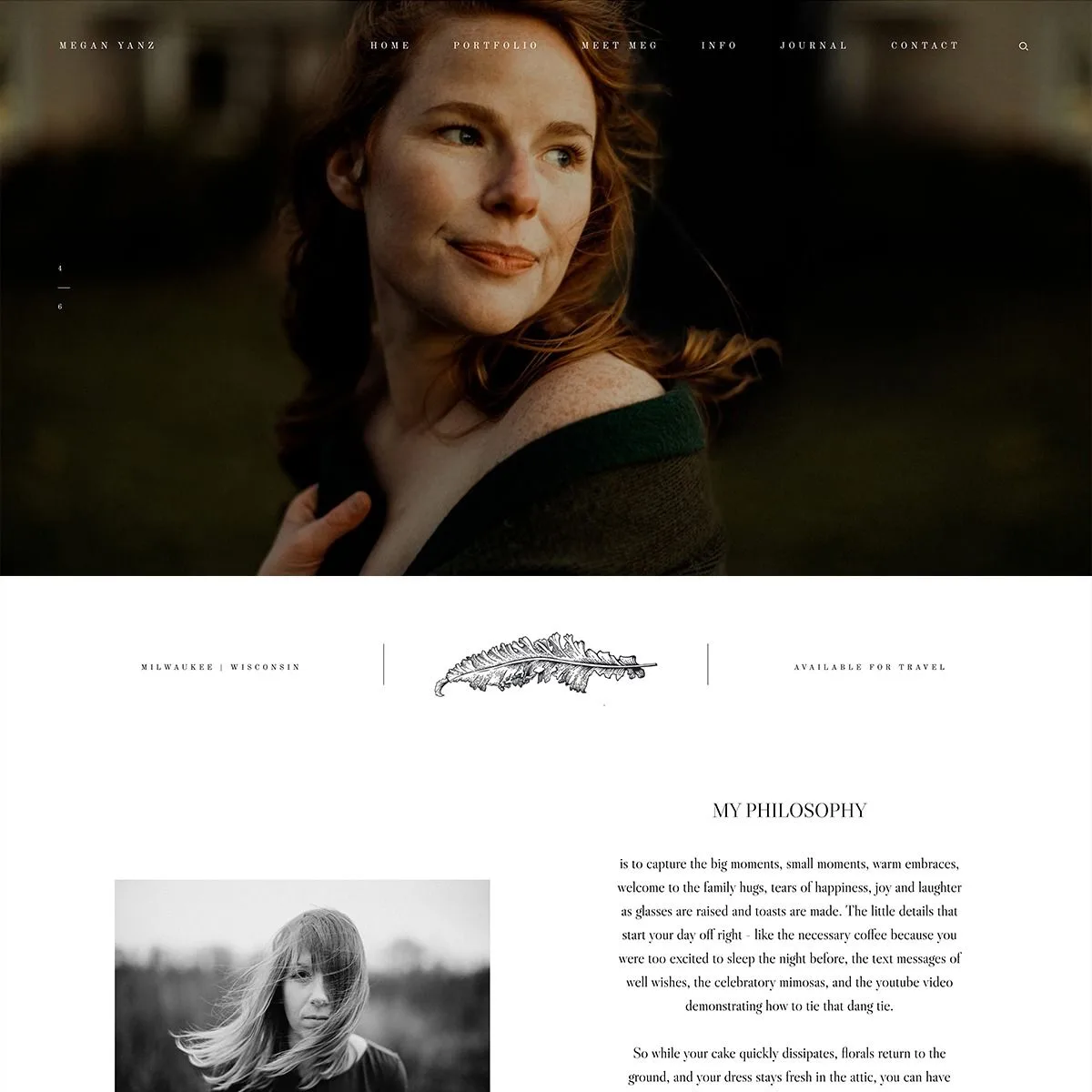
If you want one visual element, make it a simple portrait of yourself. It humanises the page and it loads fast. Skip everything else that exists only to look impressive.

Where to Host a Content Writer Portfolio Without Spending Money
You have three practical options as a beginner, and each has tradeoffs. Choosing the right one early saves months of rebuilding later.
First, a free hosted blog on a platform like WordPress, Medium, or Hashnode. Proper attention to your content writer portfolio sets a strong baseline. The upside is zero cost and instant setup. The downside is limited design control and platform dependence. Still, this is the fastest route to something live.
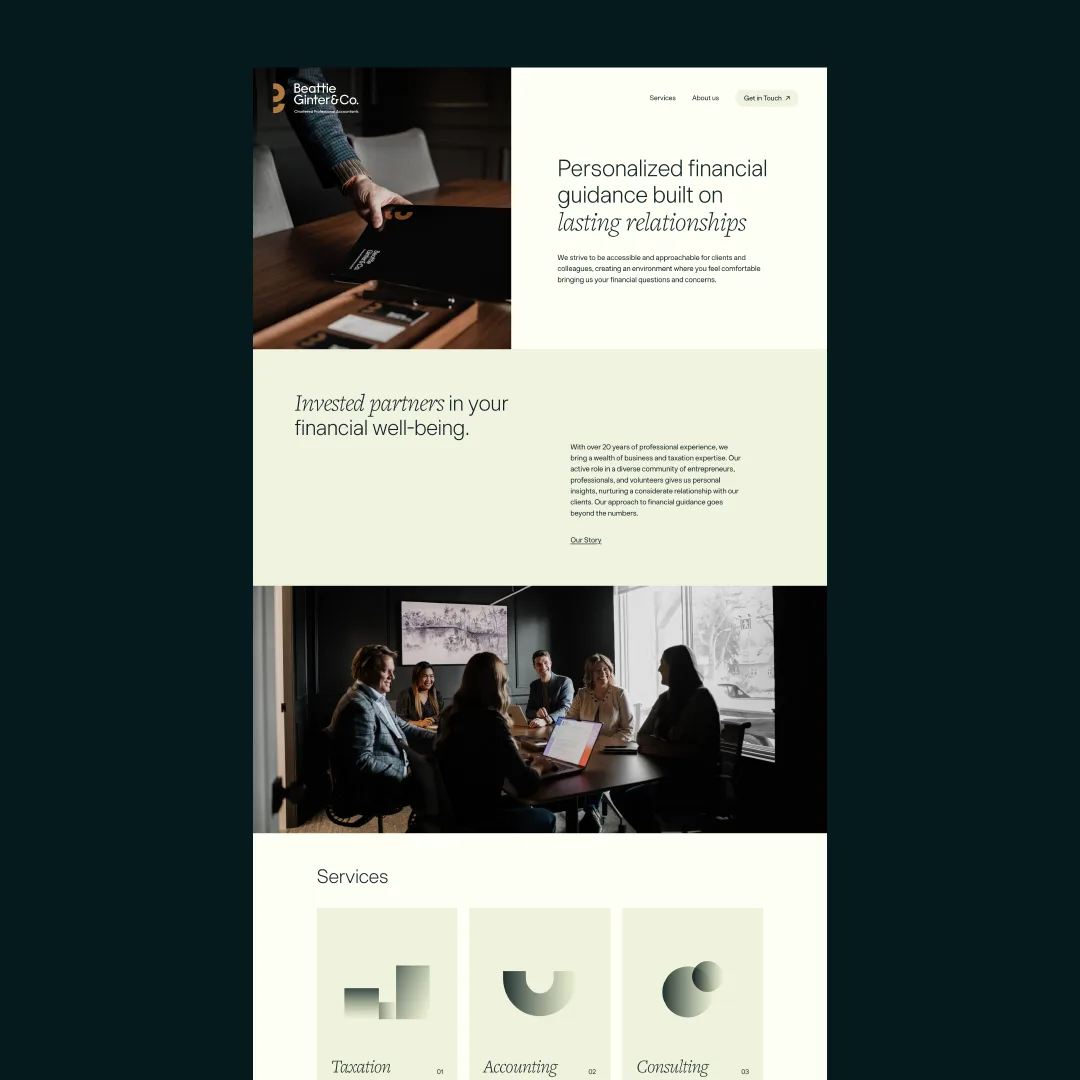
Second, a simple self-hosted site. A basic domain and cheap hosting usually runs the cost of a couple of coffees per month. You get a clean URL, full control, and room to grow. This is what most working freelancers eventually move to.
Third, a Notion page or Google Site. These are fine as a stopgap, especially if you are pitching through email links. They look less professional than a dedicated site, so treat them as temporary.
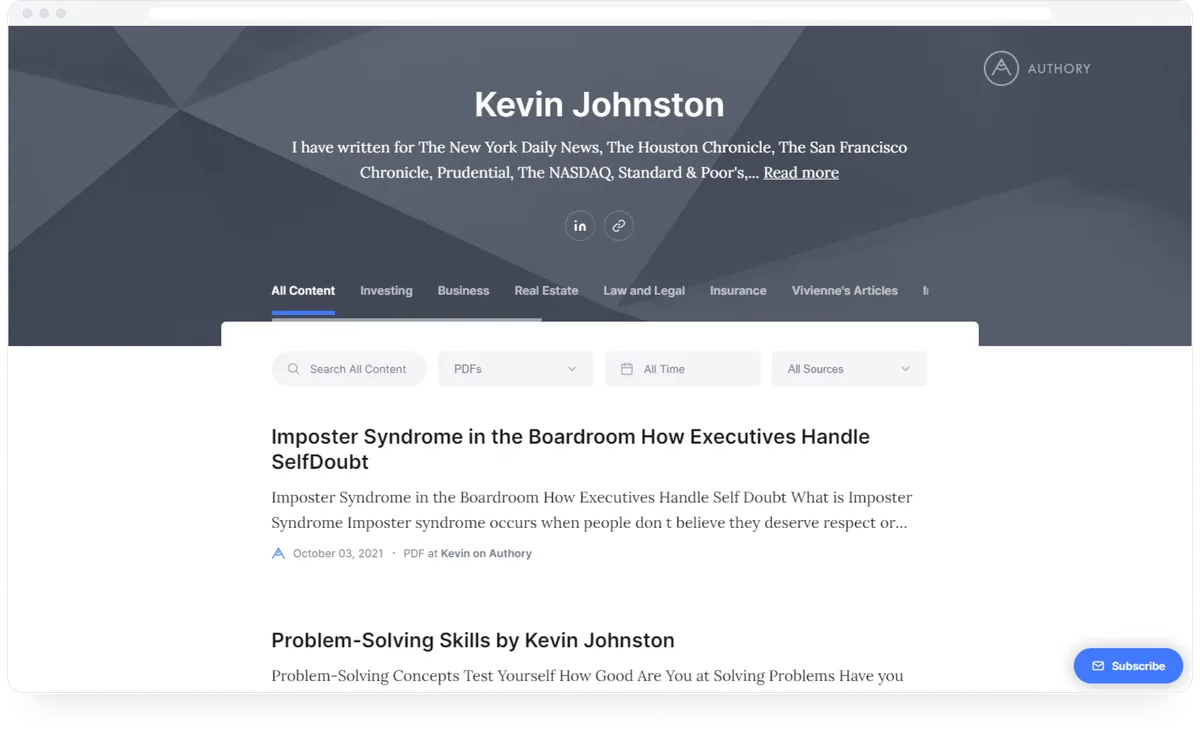
Whichever route you take, keep the URL memorable. A content writer portfolio with a link that looks like a string of tracking parameters reads as careless. Buy a domain, even a short one, and point everything to it.
Do You Need Your Own Domain from Day One?
Not strictly, but the content writer portfolio is cheap insurance. Hiring editors sometimes check whether a candidate owns their domain, because it signals long-term commitment to the craft. At minimum, keep a clean free URL you can upgrade later without breaking old links.
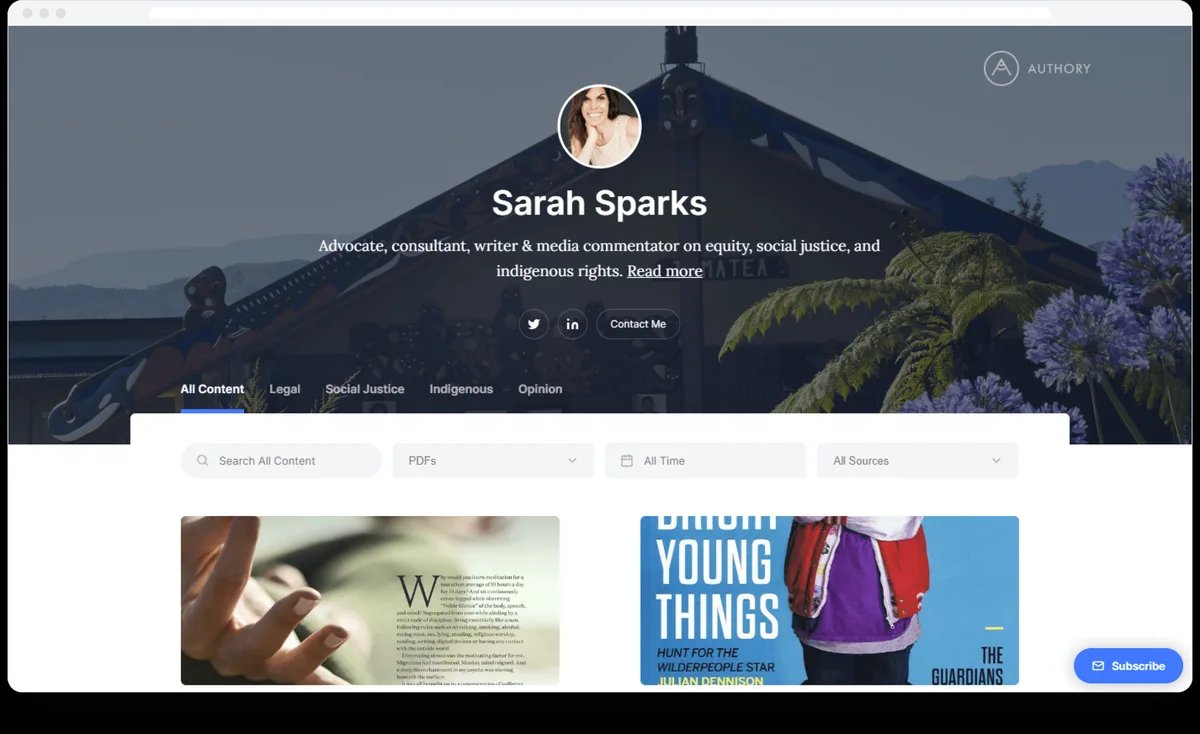
If you plan to write for clients who will find you through search, a domain matters more. It becomes the home base for your services page, portfolio, and blog. Without one, you are dependent on someone else’s platform to be discoverable.
My honest take: buy the domain, keep the hosting simple, and start writing. The infrastructure is easy. The writing is the hard part.
Content Writer Portfolio Tips for Standing Out in a Crowded Field
Thousands of writers apply for the same jobs. The differences come from small choices other applicants skip. None of these require more talent — just more attention.
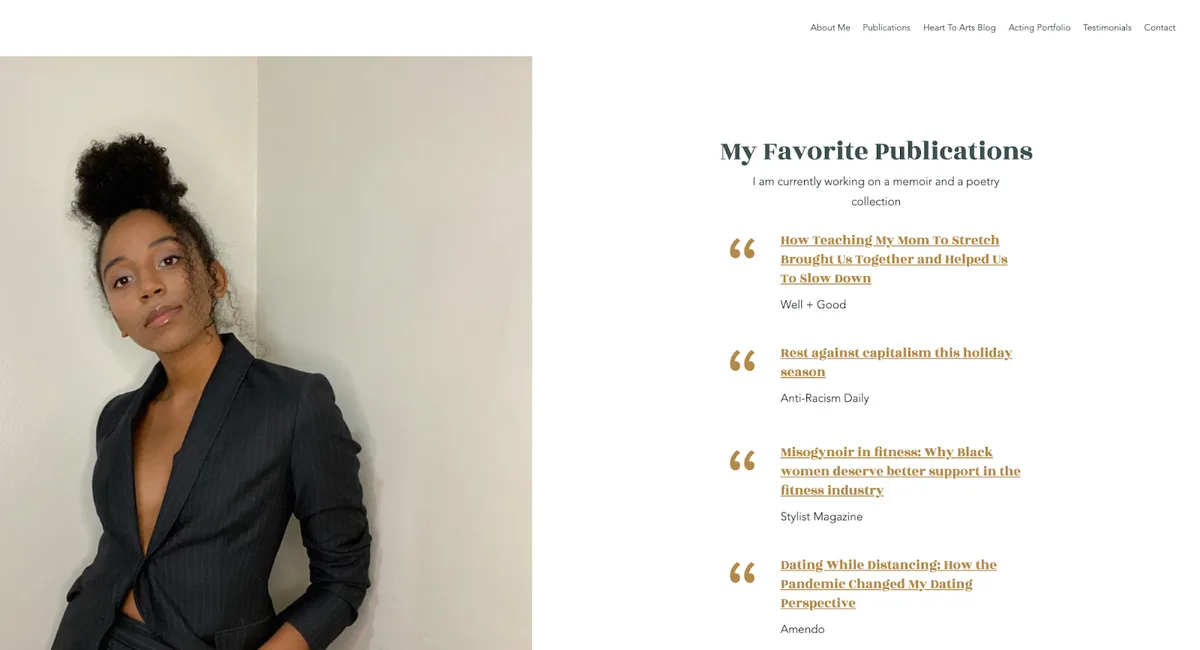
One of the most effective content writer portfolio tips is to write a specific, human bio. Avoid “passionate content creator.” Say instead: “I write explainer content for fintech and property brands, focused on making complex products legible.” Specificity is a signal of self-awareness.

Another is to include a short note on your process. How you research, how you handle revisions, how you turn briefs into drafts. A single paragraph on process tells editors you are reliable before they have to trust you. Reliability often matters more than flair on a first project.
Finally, add one sample in a niche you love. Passion is legible in writing. When editors see a piece where the writer clearly cared, they remember you.
Should You Niche Down or Stay General?
Niche down, at least initially. Generalist portfolios compete with everyone; niche portfolios compete with a handful. A content writer portfolio focused on two related industries will outperform a scattered one almost every time.
You can always expand. Start with finance and SaaS, or health and wellness, or local service businesses. Pick two you understand, write five pieces across them, and apply only to roles that match. Once you have a dozen clients behind you, the generalist option reopens.
That said, do not say no to everything outside your niche in the first year. Write outside your comfort zone occasionally. The samples strengthen your portfolio and your credibility.
Common Content Writer Portfolio Mistakes That Cost Beginners Work
I have watched dozens of otherwise capable writers get rejected for reasons unrelated to writing ability. Here are the ones that show up again and again, and how to fix each.
- Dead links everywhere. Every link should be tested before each batch of applications. A single broken sample can end the whole application.
- Too many samples with no focus. Three strong pieces beat twelve scattered ones. Curate ruthlessly.
- No contact method visible above the fold. Reviewers should not have to scroll to find your email.
- Generic bio. Replace adjectives with specifics. “Experienced” means nothing; “three years writing for B2B software” means something.
- No sample context. A bare link with no label forces the reviewer to infer too much.
- Overdesigned layouts. Clever design rarely adds clarity, and often subtracts it.
- Samples with typos. One misspelled headline in a portfolio reads as a warning sign, not an accident.
- Missing niche signals. If your portfolio could belong to anyone, it belongs to no one.
Read that list twice if you are preparing your first batch of applications. Each item zeroes out weeks of effort the moment it appears in front of a reviewer.
Frequently Asked Questions About a Content Writer Portfolio
Here is an in-depth breakdown of key considerations regarding Frequently Asked Questions About a Content Writer Portfolio:
How Many Samples Do I Need in a Content Writer Portfolio?
Three to five strong samples are enough to get serious consideration. More than seven usually dilutes focus without adding value. Prioritise full, edited pieces over quantity.
Can I Use Guest Posts or Unpaid Work?
Yes, and most beginners do. Guest posts on relevant blogs build credibility quickly. Label them honestly, and only include pieces you are genuinely proud of.
Does a Content Writer Portfolio Need a Blog of Its Own?
It helps but is not mandatory. A dedicated blog lets you show SEO knowledge in practice and gives you a platform for future samples. If time is tight, a single landing page with samples is enough to start.
How Often Should I Update My Portfolio?
Review it every three months. Retire weaker samples, add new ones, and check all links. A content writer portfolio that never changes signals a writer who stopped writing.
Is It Okay to Include AI-Assisted Work?
Only if the final work is fully edited and clearly yours. Most clients accept AI-assisted drafts when the writer adds real judgment, fact-checking, and voice. Be transparent during interviews if the subject comes up.
Where to Go from Here
Everything above comes down to a simple sequence: build samples, label them honestly, host them cleanly, and apply with focus. There is no shortcut, but there is also no real barrier. A content writer portfolio is the cheapest career investment a beginner can make.
The parent topic here is content writing itself, and the portfolio is your entry point. From here you can branch into pitching, rate negotiation, and client retention. Each sub-topic builds on the same foundation you just learned to assemble.
Start this week. Pick one niche, write one full sample, and publish it. Then send one application, not ten, with your best work front and centre. The rest is repetition.
For verified reference and background research, consult the authoritative informational resource on this topic.