Broken Link Building: Why Links Break and How to Rebuild Them
Broken link building is one of those tactics that sounds almost too simple to work: you find links that point to dead pages, then offer a better replacement. But the reason it keeps working, year after year, is that dead links are a permanent feature of the web. Pages move, sites get restructured, domains expire, and entire blogs vanish without a forwarding address.
Every one of those failures leaves a small gap in someone else’s content. The webmaster who published that citation probably didn’t intend for the link to rot. They just never noticed. Your job, as a link builder, is to notice for them.
The catch: most people who try the broken link building tactic quit within a month. They find broken links, fire off a template email, get ignored, and conclude the whole thing doesn’t work. The problem is almost never the tactic. It’s the execution. Bad prospecting, lazy replacement suggestions, and outreach that reads like a form letter.
This is where a disciplined broken link building guide earns its keep. The approach below walks through why links break in the first place, then lays out nine concrete solutions you can apply in sequence, from diagnosis to follow-up. No fluff. No “just send more emails” advice.
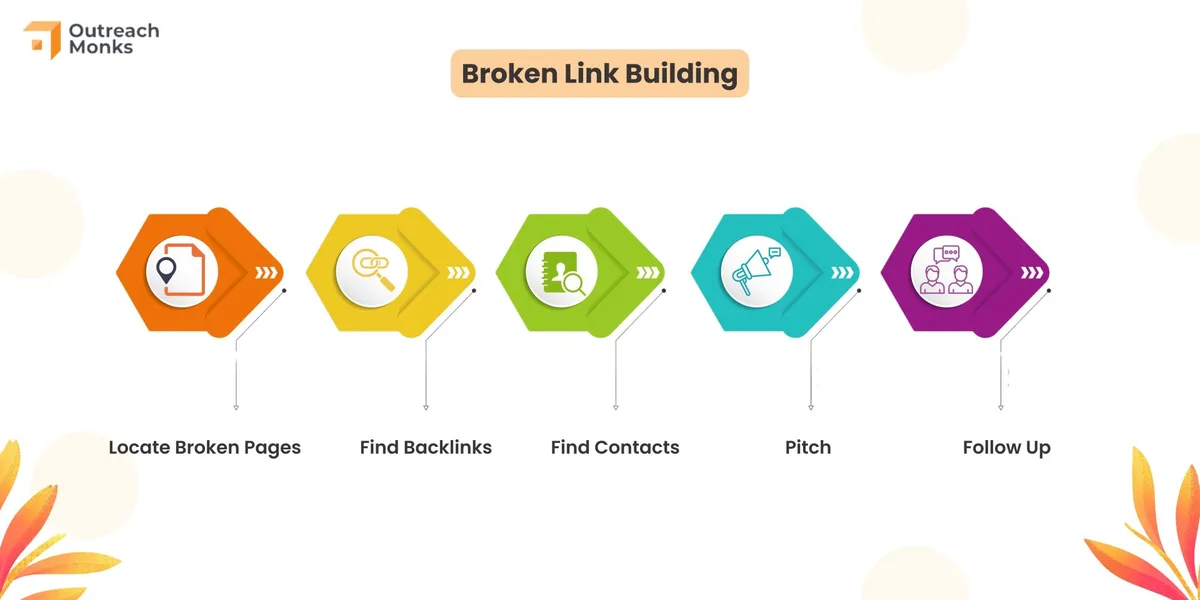
What Actually Counts as a Broken Link
Not every failed URL is worth your time. Focusing on broken link building provides clear direction here. A 404 error on a page nobody links to is noise. A 404 on a page cited by forty authoritative blogs is a genuine opportunity.
The technical definition is straightforward: a broken link is any hyperlink whose destination returns an error status code (typically 404 or 410) or redirects to unrelated content. Refining each detail of your broken link building strengthens this section.
A link that once pointed to a resource page and now lands on a casino homepage counts too. So does a link to a domain that lapsed and got scooped up by a domain squatter.
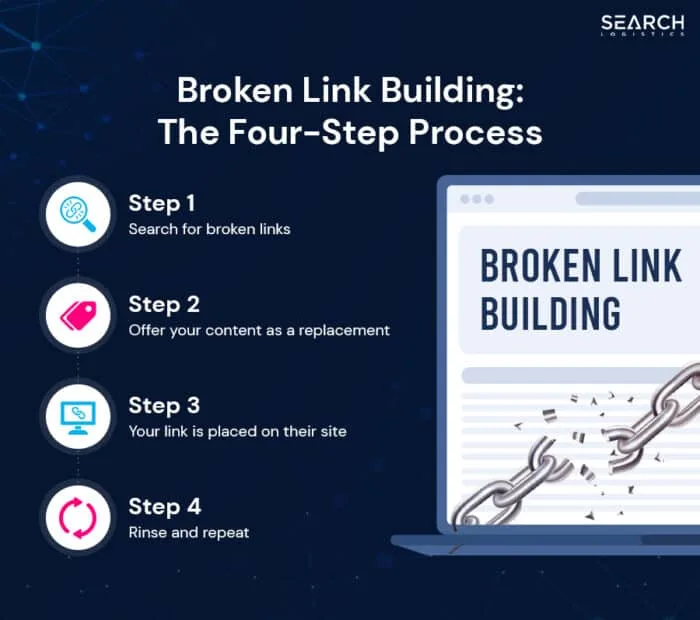
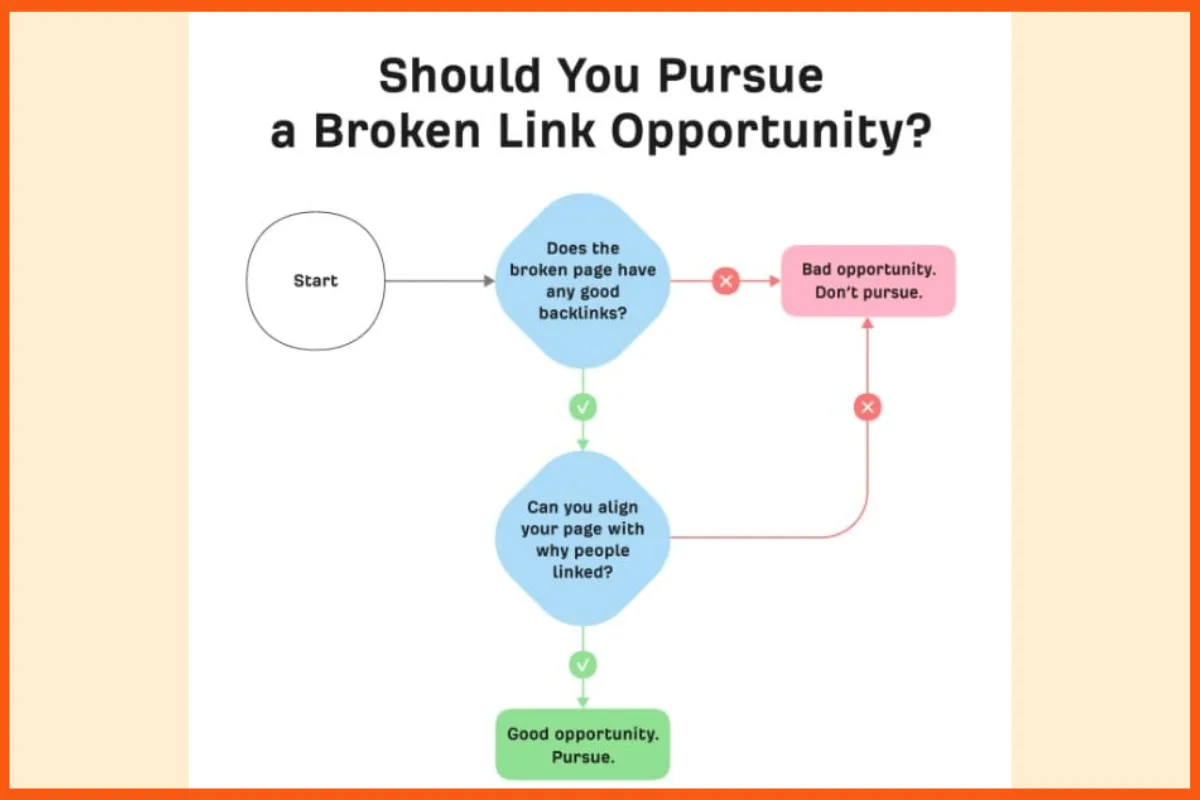
Here’s the practical filter I use: does the linking page still carry traffic and authority? If a post has decent organic traffic but three of its external citations are dead, that’s a strong candidate. If the post hasn’t been updated in six years and gets no visits, skip it. You’d be spending effort on a page that can’t pass meaningful value anyway.
Why Links Break: the Root Causes
Before the broken link building pitch a single replacement, it helps to understand why the web rots. Knowing the cause tells you whether a fix is plausible, and it shapes how you frame your outreach. A webmaster who restructured their site has a different problem than one who never knew the link was dead.
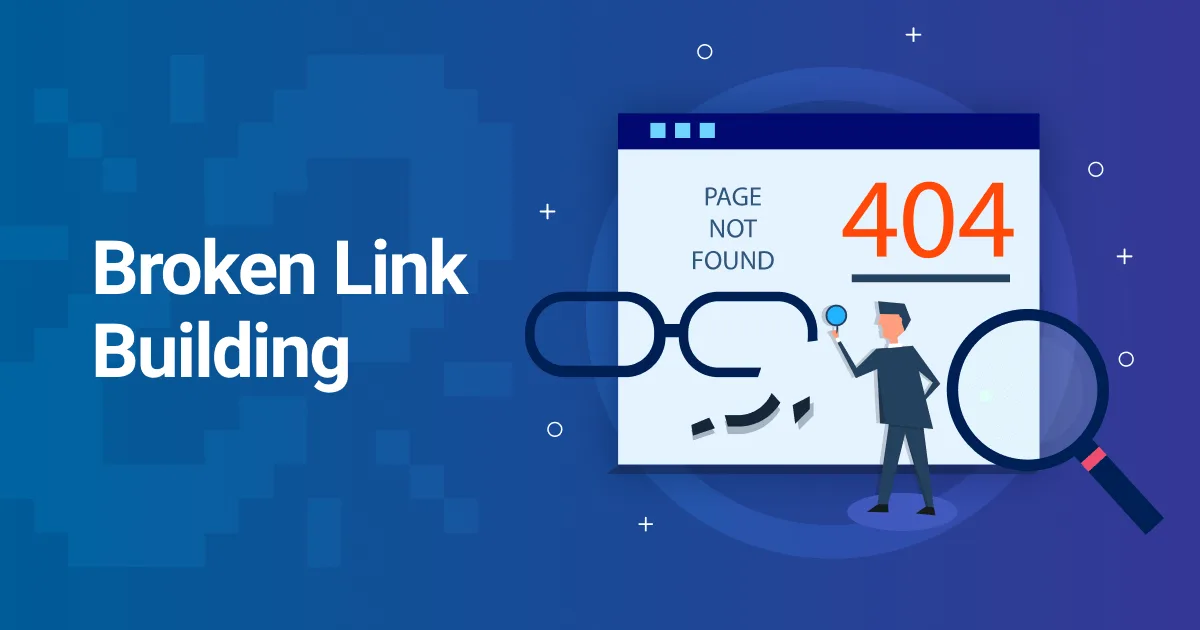
Most broken links trace back to a handful of recurring causes. Here they are, roughly in order of how often they show up in a typical broken link building campaign.
1. Pages Deleted or Moved Without a Redirect
This is the big one. A company rebrands, kills a product page, or reorganizes its blog, and the old URL simply disappears. No 301 redirect, no explanation. Every site that linked to that page now hosts a dead link.
I’ve seen the broken link building happen at scale after CMS migrations. A team moves from one platform to another, the URL structure changes, and hundreds of internal and external links break overnight.
Fixes are usually easy for the publisher, which makes these good targets: you’re handing them a cleanup task they’ll be glad to tick off.
2. Domains Expiring or Changing Owners
Sometimes the destination isn’t a page but an entire website. When a domain expires and gets re-registered, the old content vanishes. Occasionally it’s replaced by something entirely unrelated, which is worse, because a link to a defunct resource now points at spam.
These cases require more care. A thoughtful approach to broken link building reinforces your qualifications. If the original content is genuinely gone and nobody has replaced it well, your offer to fill the gap can be a real service rather than a favor. That framing matters in outreach.
3. Slugs Edited Without URL Preservation
Small content teams edit headlines all the time. Occasionally the URL slug gets rewritten to match, and the old address dies. It’s a routine mistake, especially in WordPress setups where editors don’t realize changing the slug breaks existing links.
The upside: the broken link building are typically solved in seconds. Point the publisher at a working alternative and note that a redirect would also solve it permanently. Webmasters appreciate the specificity.
4. Third-Party Content Removal
A guest post gets taken down. A resource list is trimmed. A directory shuts its doors. These breaks aren’t mistakes so much as changes in editorial direction. They’re harder to reverse, but they still leave live links dangling elsewhere on the web.
For the broken link building, focus on pages where the publisher still links to a now-defunct resource. The fix is swapping in something comparable, not resurrecting the old page.
5. Broken Internal Redirect Chains
Sometimes the destination still exists, but the redirect chain is a mess: A points to B, B points to C, and C is dead. Crawlers treat this as a broken link because the link’s value can’t reach a live endpoint.
The broken link building are tempting because the fix is technical and the owner is clearly already trying to manage redirects. But they’re also rarer and harder to spot at scale, so prioritize them lower than outright 404s.
Why Broken Link Building Still Beats Most Outreach Tactics
The tactic has an unfair advantage over cold pitching: it opens with a problem the recipient actually wants solved. You’re not asking for a favor. You’re pointing out a defect on their site and offering to help fix it. That framing changes the entire dynamic of the conversation.
Compare the broken link building to a standard guest post pitch. Those emails lead with what the sender wants. Broken link outreach leads with what the recipient needs. Response rates reflect that difference, and while hard numbers vary widely by niche, the qualitative difference is obvious to anyone who tracks replies.
There’s a second benefit that often goes overlooked: the research itself is diagnostic. Every dead link you catalog tells you something about how sites in your niche operate, what they cite, and where their content gaps live. That intelligence feeds other campaigns, from content strategy to partnership outreach.
One caveat worth naming. This isn’t a volume game, and treating it like one will backfire. A hundred generic emails will underperform ten carefully researched ones. The best broken link building tips I can offer all point back to the same principle: relevance over reach.
How to Find Broken Links Worth Fixing
Prospecting is where most campaigns live or die. Clear alignment with your broken link building builds confidence from the start. The quality of your raw list determines the quality of everything downstream, and there’s no outreach trick that rescues a bad prospect list.
Start narrow. Pick a handful of authoritative sites in your niche and check whether they maintain resource pages, link roundups, or curated lists. Those pages are the richest hunting ground because they’re actively maintained and full of outbound links. Then verify that the outbound links still resolve.
Here’s a working sequence I’d recommend to anyone building a repeatable process:
- Build a shortlist of relevant, authoritative sites. Focus on sites that already link to resources in your topic area. A quick search for competitor backlinks will usually surface them.
- Identify pages with high link density. Resource pages, “best tools” posts, and curated lists are ideal because they’re link-heavy by design.
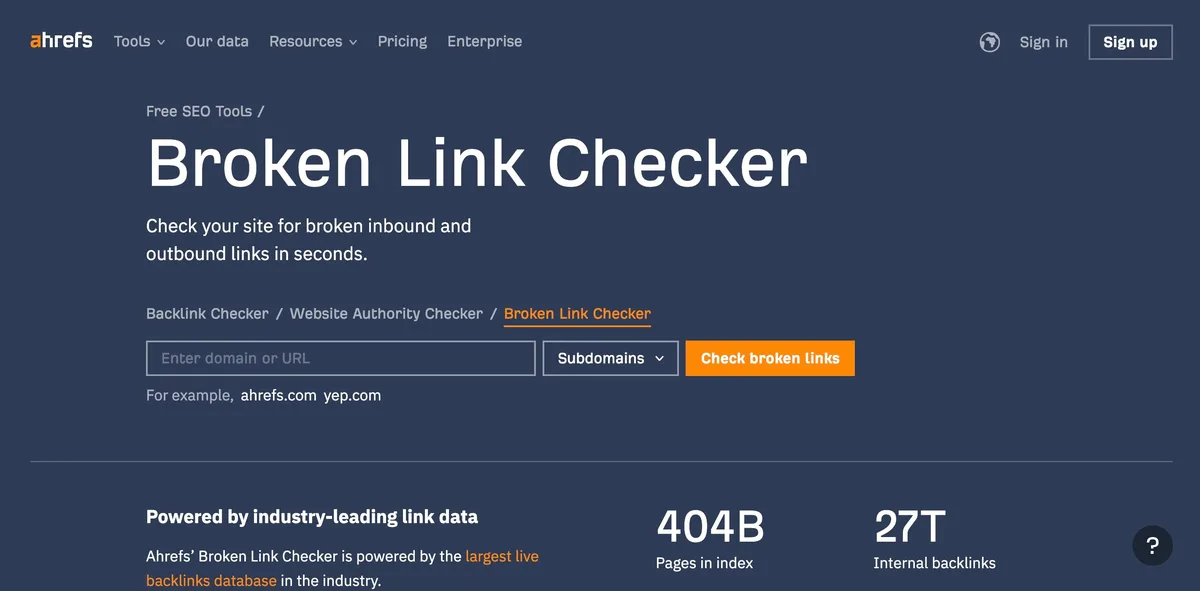
- Run the outbound links through a checker. Any broken link checker will do; the goal is a verified 4xx status code or a redirect to unrelated content.
- Confirm the linking page still matters. Check organic traffic and internal links to the page. Skip anything with no signal.
- Log the specifics. Record the dead URL, the anchor text used, the page it lives on, and whether the topic of your content actually matches.
The last step is where sloppy campaigns fall apart. Integrating broken link building into your workflow produces consistent quality. If you can’t explain in one sentence why your page is a credible replacement, you don’t have a pitch yet.
Broken Link Building Checklist: Before You Send Anything
Run every prospect through the same gate before outreach. It’s a small time investment that filters out wasted effort.
Here’s a tight broken link building checklist I use, adapted from what I’ve found actually matters:
| Check | What “Pass” Looks Like |
|---|---|
| Destination status | Confirmed 404, 410, or unrelated redirect; not just a slow load |
| Linking page health | Still indexed, still receiving traffic, still editorially maintained |
| Replacement fit | Your page covers the same topic at equal or better depth |
| Anchor text match | Anchor is topical enough that a swap looks natural |
| Contact route verified | Email address confirmed and belongs to the right person |
| Prior contact | No previous outreach within the last 90 days |
If a prospect fails on replacement fit, discard the broken link building entirely. Pitching a loosely related page is the fastest way to burn a contact and get flagged as spam.
9 Effective Solutions for Broken Link Building
Now to the core of the process. The nine solutions below aren’t independent tactics; they’re the sequence I run in order, adjusting for context. Each one solves a specific failure point that kills otherwise-solid campaigns. Skip one and the whole chain weakens.
The list assumes the broken link building’ve already prospected. If you haven’t, work through the checklist above first. What follows is about converting prospects into live replacement links.
Solution 1: Replace the Dead URL With a Direct Match
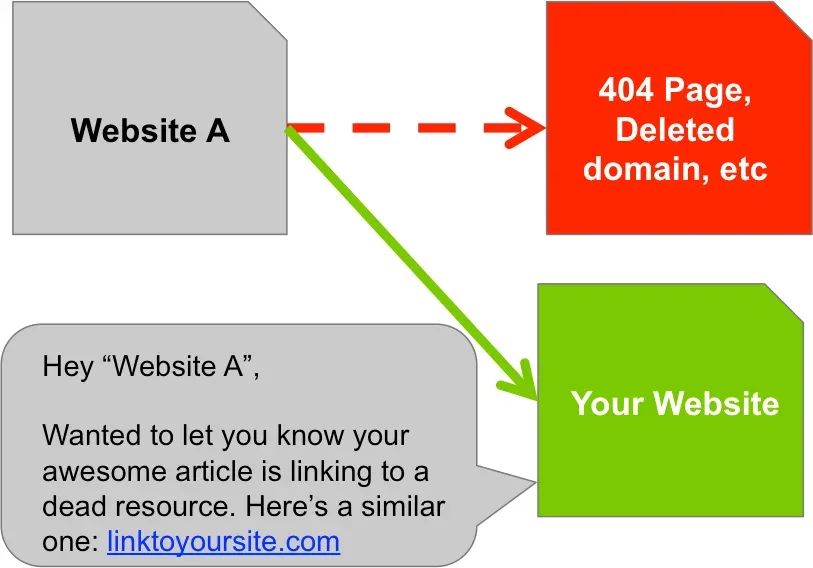
This is the simplest and most effective move in the entire broken link building toolkit: identify a page on your site that serves the exact purpose of the dead resource, then offer it as a direct replacement.
For example, say you run a small SaaS blog about project management, and a prominent industry roundup links to a defunct “Agile glossary” from a site that shut down. If you have a comprehensive glossary covering the same terms, that’s a clean swap.
The linking page’s editorial intent stays intact, the publisher fixes a defect, and you earn a link from a page that already earned authority.
Here’s what makes direct matches work as a reliable broken link building best practice: the perceived cost to the recipient drops to near zero. You’re not asking them to evaluate new content; you’re handing them a like-for-like substitution. That mental shortcut matters more than most people realize.
Before you pitch, verify three things. The replacement covers the same scope. It’s at least as thorough as the dead page was. And it’s live and stable. Pitching a replacement that later goes 404 is a fast way to lose credibility.
Solution 2: Offer a Superior Resource They Now Need
Sometimes the direct replacement doesn’t exist. The dead link pointed at something shallow or dated, and you have something materially better. In that case, pitch the upgrade rather than a swap.

The broken link building angle requires more convincing, because the publisher has to evaluate whether the new resource meets their bar. So the outreach has to be short and specific. Mention what the old link pointed to, note that it’s dead, and explain in one or two sentences why your page outperforms it. Include the key details the recipient needs to make a fast decision.
I’ve had good results here by framing the pitch around what changed in the subject area rather than what’s better about my page. If the dead resource covered a topic where the practice has evolved, that’s your wedge. The recipient gets to update their editorial standards at the same time.
Solution 3: Reclaim Links Pointing to Your Own Dead Pages
Before you look outward, audit inward. Your own site has probably accumulated broken links from publishers who cited pages you’ve since deleted or moved.
These are the highest-converting prospects in any broken link building campaign, because the anchor text and the topical context are already perfect. The publisher clearly trusted your content once. The only thing that changed is the address.
Run a backlink audit filtered for landing pages the broken link building now return 4xx errors. Then either restore the page (with a redirect) or offer a live replacement. When you reach out, explain what happened and where the content now lives. In most cases, the publisher will update the link in a single reply.
Solution 4: Find Damaged Citations in Resource Pages
Resource pages are goldmines for this tactic, but they need a specific approach. Most of these pages are hand-maintained and rarely audited, which means broken links pile up quietly over time.
When the broken link building find a resource page with two or more dead links, mention all of them in one email, not just the one you want replaced. This turns the message into a genuine service: you’re reporting multiple defects in a single pass. The publisher gets more value from one reply, and you earn goodwill that carries into the next conversation.
Here’s how to structure it in practice: list each dead link, note the status code, and propose a replacement for each. If your own site covers only one of them, suggest reputable alternatives for the others. That generosity reads as credibility, not strategy.
Solution 5: Pitch Editors on Legitimate Content Updates
Not every broken link should be replaced. Maintaining clarity across your broken link building remains essential. Sometimes the right move is to help the publisher update the page itself, especially when the dead link points to something that’s no longer relevant to the article’s thesis.
Say a post about “essential reading on remote team management” cites a blog post from a company that shut down. The topic still matters, but the specific resource doesn’t.
You can pitch a broader update: replace the dead link with a current resource, refresh the surrounding section, and note any other broken references in the piece.
This approach positions you as a collaborator rather than a link-seeker. It also occasionally leads to more than a single link swap, especially if the publisher is already thinking about a content refresh.
Solution 6: Use Follow-Up Sequences That Respect the Recipient
The number-one reason broken link building fails in practice isn’t outreach. It’s abandonment. A single email that gets ignored is not a rejection; it’s a missed opportunity to be noticed.
That said, the broken link building ‘s a line between persistence and spam. The right sequence is short, spaced out, and each touch adds something new. One follow-up after a week, a second after two more weeks, and then stop.
That’s it. If you haven’t heard back after three touches, move on. The prospect stays in your pipeline but isn’t your priority.

What should each follow-up contain? Structuring your broken link building around proven patterns ensures impact. A different angle, not just a repeat of the first message. If the first email led with the broken link, the second can lead with a note on why the replacement helps readers.
The third can offer an easy out, something like “if this isn’t a fit, I’ll stop reaching out.” Respecting an unanswered “no” preserves the relationship for a later campaign.
Solution 7: Write the Replacement Content First
Here’s a broken link building tip that consistently outperforms: have the replacement content live and fully published before you send the pitch. Not a draft. Not a mockup. A complete, polished page ready for a reader to land on.
This does two things. Applying these principles to your broken link building yields measurable results. First, it forces you to verify fit before you commit outreach resources. If you can’t write a page that genuinely replaces the dead resource, the pitch wasn’t going to work anyway.
Second, it removes any ambiguity for the recipient. No “I can write something if you’re interested.” The page exists; they can read it and decide.

In practice, when refining a broken link building, I’ve found the conversion rate on “already-published replacement” pitches significantly higher than on speculative ones. There’s no follow-up needed with the publisher about whether the content is written or when it will be ready. They either link to it or they don’t, and the response happens in one exchange instead of three.
Solution 8: Build Relationships With Site Editors, Not Just Webmasters
Outreach addressed to a generic form or a “contact us” alias rarely lands. Address it to the editor responsible for the page, and make sure your message acknowledges their role.
The broken link building matters more than it sounds. Many sites have shifted toward centralized editorial teams, and the person who decides whether to update a link isn’t the same person who wrote the original post. If you’re emailing the wrong person, your email is a genuine inconvenience rather than a helpful note.
How do the broken link building find the right editor? Check the byline on the post with the broken link. Look for an author bio page or a masthead. If the site maintains an editorial team page, use it.
If not, LinkedIn and social profiles usually reveal the right contact. When in doubt, reply forms with named recipients convert better than anonymous contact forms.
When I run editorial outreach for clients, the single biggest lift comes from personalization that shows I actually read the page. Mentioning a specific point from the article, not just the broken link, is what gets replies. It’s the difference between “here’s a defect” and “here’s a defect in a piece I valued.”
Solution 9: Measure Outcomes and Iterate Systematically
The final solution isn’t a tactic; it’s a discipline. Without tracking, you’ll never know what’s actually working, and your campaigns become guesswork. Broken link building is a numbers-heavy process, and the numbers only pay off if you’re collecting them.
Track a short list of metrics per campaign: outreach sent, open rate where available, reply rate, replacement links earned, and time-to-reply. A free spreadsheet is enough. The point isn’t to build a dashboard; it’s to spot patterns fast and adjust the next campaign before the same mistakes repeat.
After two or three campaigns, you’ll usually see clear signals. Some niches respond well to direct replacement pitches; others need the “superior resource” framing. Some sites convert on first touch; others need the third. The variance is real, and it’s why an off-the-shelf template fails.
Common Mistakes That Sabotage Campaigns
Most broken link building failures share a small set of root causes. Naming them explicitly can save months of trial and error.
The Replacement Doesn’t Actually Match
Pitching a page the broken link building’s merely adjacent to the dead resource is the most common error. If the dead link pointed to a beginner’s guide and your page is an advanced technical breakdown, the swap doesn’t serve the same audience. Editors spot this immediately, and it damages trust.
Dead Links Found by a Tool, Never Verified
Crawler errors are noisy. Some 4xx codes resolve themselves, and some flagged links are actually working fine because the tool hasn’t run a full crawl recently. Verify every prospect manually before outreach. This is the single most common reason campaigns underperform.
Emails That Lead With Your Ask
A broken link email the broken link building opens with “I noticed you link to a page that’s no longer working, and I have a replacement” is fine. An email that opens with “I’m reaching out about a content collaboration” is not. Lead with the defect. It’s the reason the recipient will keep reading.
No Follow-Up, Ever
One touch is not a campaign. Most link swaps happen on the second or third interaction. Plan for follow-up from the start, and cap it at three touches total.
Pitching Pages With No Authority Signal
Replacing a link on a low-traffic, unmaintained page earns the broken link building very little. Quality of the linking page matters as much as the dead link itself. Prioritize pages that still pull traffic and carry editorial authority.
How This Process Fits Into a Larger Link Building Strategy
Broken link building isn’t a standalone tactic; it’s a component of a broader link acquisition program. It sits alongside digital PR, guest posting, resource page outreach, and relationship-based link swaps. The right mix depends on your niche, but no serious program relies on a single tactic.
Within that mix, broken link building is best positioned as your steady-state engine. It’s reliable, repeatable, and highly targeted, but it’s not fast. If you need a burst of authority quickly, it won’t deliver. If you want a sustained flow of relevant links over months, it’s one of the most durable methods available.
It also pairs well with content strategy. The research required to identify replacement opportunities tells you what’s already being cited in your niche, and that intel feeds directly into what kind of content to build next.
If you want a deeper grounding in how link acquisition works overall, the Wikipedia entry on search engine optimization offers useful background on the broader ecosystem, though it won’t replace hands-on testing.
For most sites, a reasonable cadence is one broken link building campaign per quarter, each targeting a specific topic area. Over a year, that builds a meaningful link profile without exhausting your outreach bandwidth.
Broken Link Building Best Practices for Long-Term Results
The tactics above work. The practices below are what make them work consistently. Treat these as operating principles rather than optional polish.
- Verify, don’t trust tools. Every 4xx code gets a manual check before you write outreach. This one habit prevents the most common failure mode.
- Lead with the problem, not the pitch. Open with the defect, then offer the fix. Recipients keep reading when the first sentence is about them.
- Replacement first, outreach second. Have the page live before you send the first email. It shortens the conversation and increases response rates.
- Personalize one line, minimum. Reference something specific from the linking page, not just the broken link. This costs nothing and converts more.
- Cap follow-up at three touches. Respect the silence. Aggressive sequences burn contacts permanently.
- Track everything. Campaigns without measurement can’t improve. Keep it simple and be consistent.
- Prioritize quality of linking page over quantity of prospects. One authoritative swap outweighs ten low-value links.
If the broken link building remember only one, make it the first. Verified prospects beat unverified volume by such a wide margin that the entire tactic’s viability hinges on it.
Frequently Asked Questions About Broken Link Building
Here are the questions that come up most often from teams running their first campaigns.
Is Broken Link Building Still Worth the Effort?
Yes, provided the broken link building treat it as a targeted tactic rather than a volume play. The web keeps generating dead links every day, so the opportunity never fully dries up. Sites that adopt a disciplined process still earn high-quality links this way. The teams that burn out are usually the ones running it with templates and bulk prospecting.
How Do You Find Broken Links Efficiently?
Start with a shortlist of authoritative sites in your niche, then check their outbound links with any free or paid broken link checker. Focus on resource pages, curated lists, and link-heavy posts. Verify each prospect manually before outreach, because raw crawler output contains a lot of noise. A two-stage funnel, first automatic then manual, is the most efficient approach.
What Makes a Replacement Offer Get Accepted?
Fit is the only variable the broken link building consistently matters. If the replacement serves the same audience at equal or higher quality, acceptance rates climb. If the replacement is adjacent but not equivalent, rates drop sharply.
Before you pitch, ask yourself honestly whether the recipient’s reader would land on your page and find what they expected.
How Long Does a Broken Link Campaign Take?
A single campaign, from prospecting to measurement, typically runs four to eight weeks. Prospecting takes one to two weeks, outreach and follow-up take another three to five, and measurement another week. Results often cluster in the second and third touches, which is why a capped follow-up sequence matters for campaign timelines.
Should You Pitch the Same Site Repeatedly?
Yes, but spaced out and with purpose. If a publisher responds well to one replacement, they’re more likely to respond to a second from a different page on your site. Just respect a reasonable interval, typically 90 days, and avoid pitching pages that aren’t genuinely relevant. Repeated, relevant pitches build familiarity; repeated, irrelevant pitches build a blocklist reputation.
Can You Use Broken Link Building for Local Businesses?
Absolutely, though the target set is narrower. Look for local resource pages, chambers of commerce directories, and community blogs in your niche. Broken links to local businesses that closed or moved are common, and the replacement offers are usually welcome. The tactics remain the same; only the prospect pool shrinks.
Running these questions through your own campaign will surface most of what’s worth knowing. The rest is iteration. Every broken link building effort teaches you something about how your niche’s publishers work, and that knowledge compounds with every campaign.
If you want to extend this into related territory, look next at resource page outreach and content-led digital PR. Both pair naturally with the process outlined above, and the prospecting skills carry over almost directly.