Brand Guidelines Template: Easy, Free & Ready-To-Use
A brand guidelines template is the fastest way to turn a messy pile of logos, colors, and font files into a document your whole team can actually follow.
If you have ever watched a colleague slap a stretched logo on a slide deck or pick a shade of blue that belongs to nobody’s brand, you already know why this matters.
Here is the good news: the brand guidelines template do not need an agency retainer or a design degree to build one. What you need is a clear structure, a few smart shortcuts, and the discipline to fill in the blanks honestly.
This guide walks you through a brand guidelines template that is genuinely easy to use, free to start, and ready to hand off the moment you finish reading.
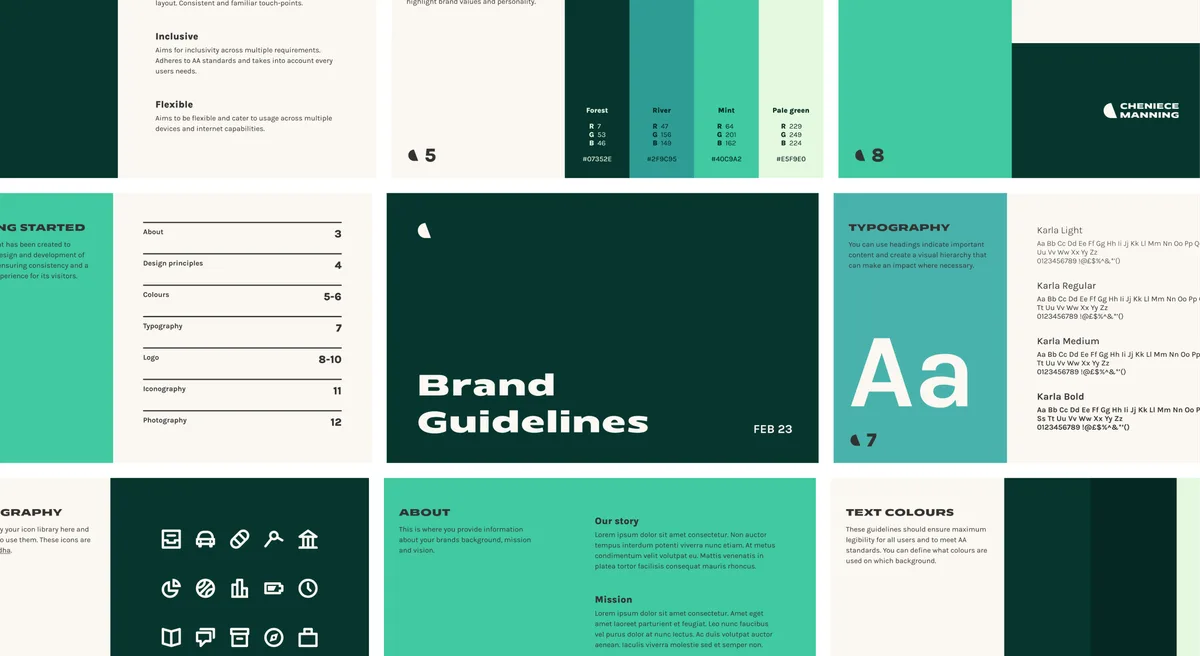
We will cover what belongs inside, how to customize each section without drowning in jargon, where to find solid free starting points, and the mistakes that turn a beautiful PDF into shelfware. By the end, you will have a working brand guidelines template guide you can apply to your own brand today.
Why a Brand Guidelines Template Beats Building from Scratch
Most small teams skip brand documentation because it feels like a corporate luxury. Then the company grows, three freelancers join, and suddenly every asset looks like it came from a different planet. A template short-circuits that chaos by giving everyone the same skeleton to work from.
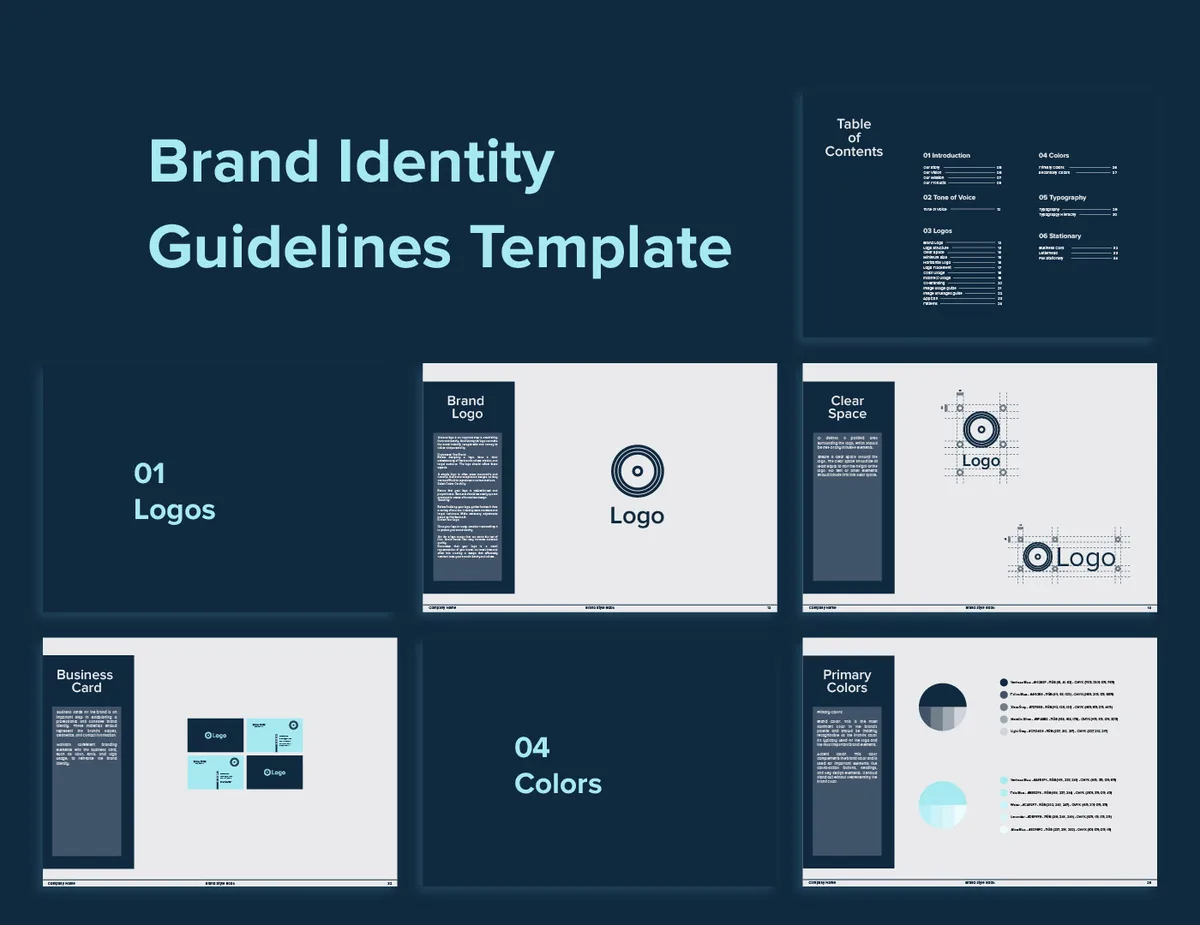
The practical advantage is speed. Building a brand book from a blank page means deciding what sections to include, in what order, and how deep to go. A well-made brand guidelines template has already made those decisions. You fill in your specifics and move on with your week.
There is a consistency benefit too. Templates encode best practices that seasoned brand managers learned the hard way. They remind you to specify logo clear space, to define secondary palettes, and to write down the tone rules nobody thinks about until a junior copywriter goes rogue on social media.
The Real Cost of Skipping Documentation
Picture a mid-sized e-commerce brand with four people touching marketing assets weekly. Without a reference document, each person makes small judgment calls. One rounds the logo corners slightly. Another uses a stock photo with a competing color scheme. Six months later, the brand feels fuzzy and nobody can point to the moment it happened.
That drift is expensive to reverse. Rebuilding visual consistency across a website, packaging, and paid ads can eat weeks of design time. A brand guidelines template prevents the drift by making the correct choice the easy choice.
When a Template is the Wrong Tool
Honesty matters here. If you run a global enterprise with dozens of sub-brands and regional variations, a simple template will not carry the weight. You need a full brand architecture system with governance rules and approval workflows.
But for solo founders, small agencies, nonprofits, and internal startup teams, a template is almost always the right starting point. Refining each detail of your brand guidelines template strengthens this section. You can always expand it later. Starting with structure beats starting with nothing.
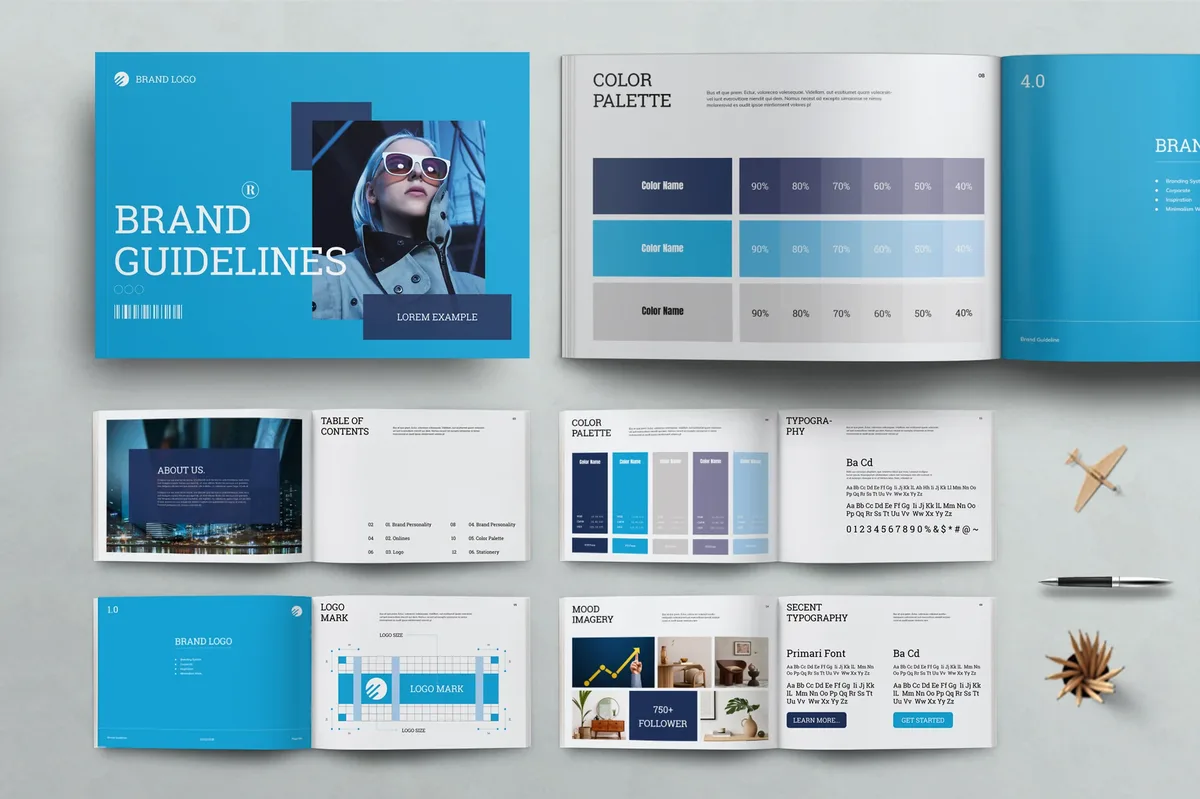
What Goes Inside a Brand Guidelines Template
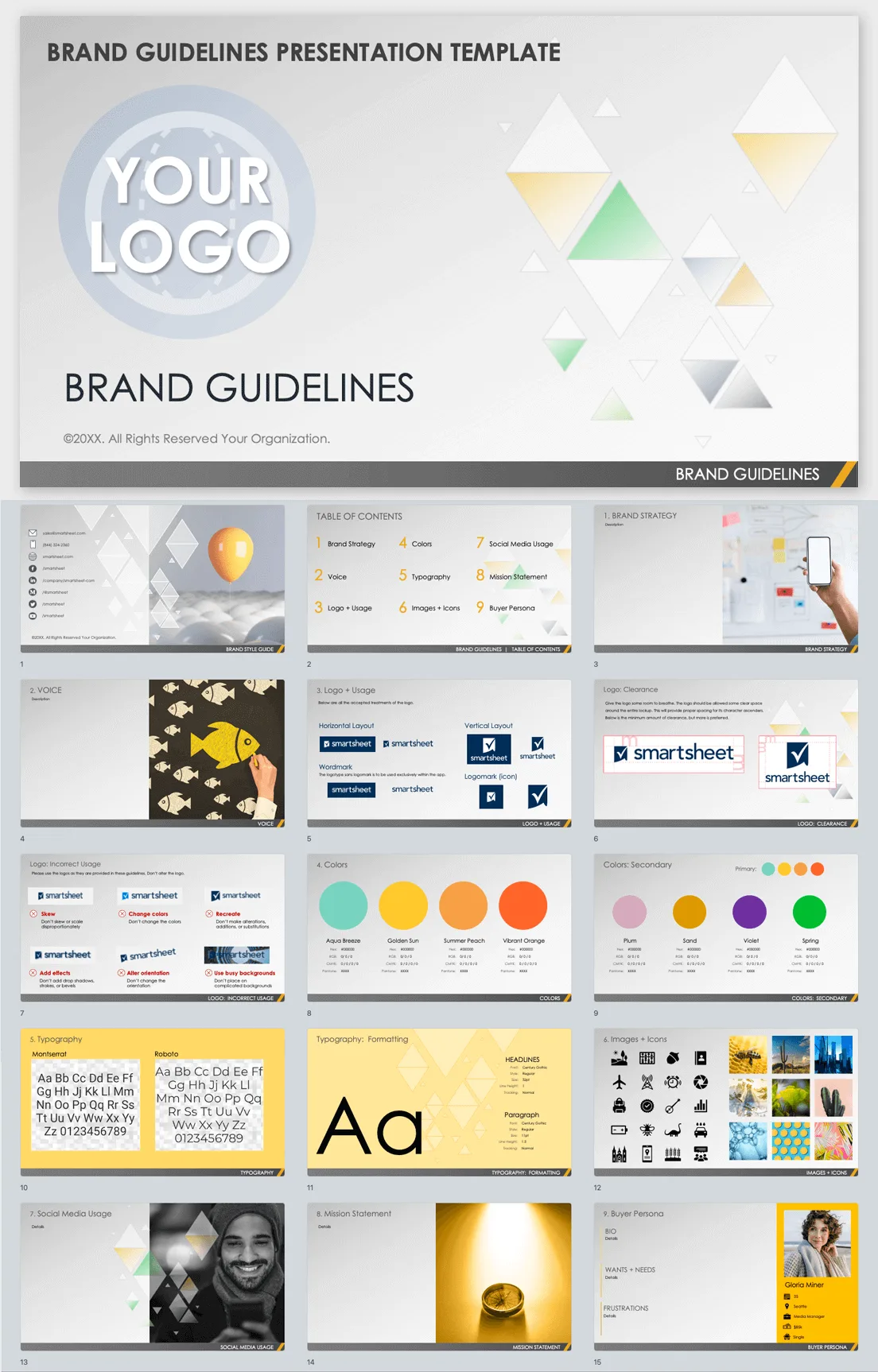
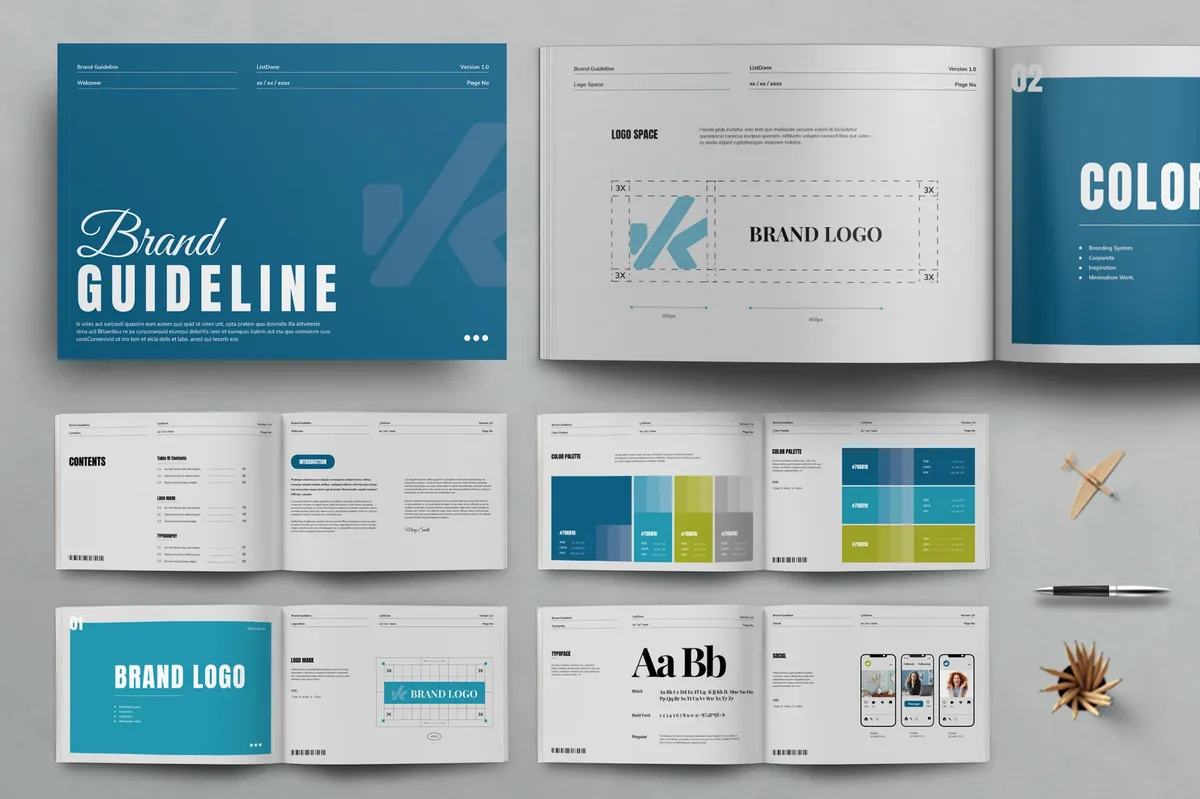
A useful brand guidelines template has a predictable spine. Skip a section and someone downstream will improvise. Include too many and the document becomes a doorstop nobody opens. The sweet spot sits somewhere between twelve and twenty-five pages for most small to mid-sized brands.
Think of the sections as answers to questions your team will actually ask. What is our logo and how do I not break it? What colors are mine to use? Which font goes where? How do we sound when we write? What do I do when I need an asset I cannot find?
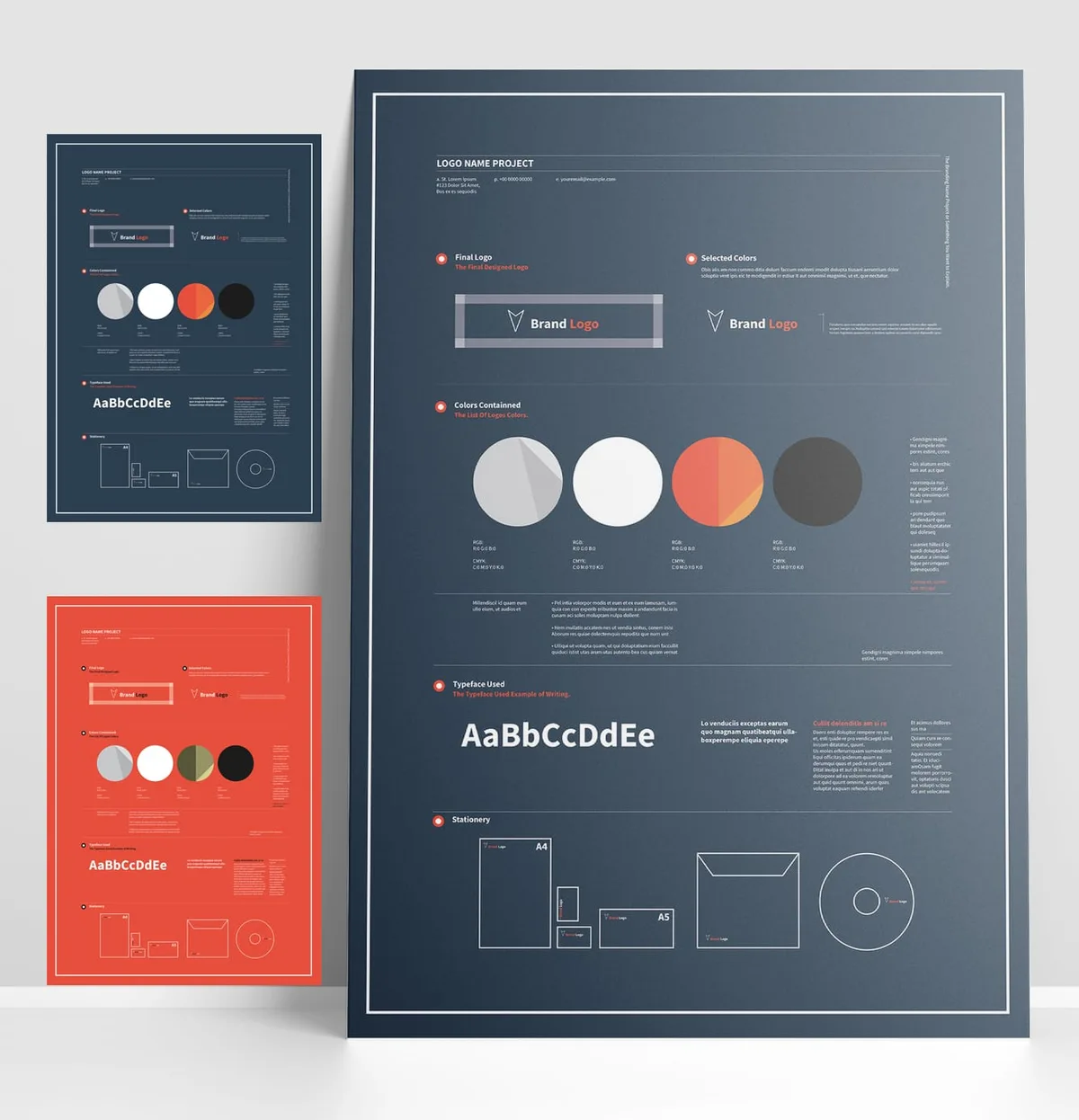
The order below follows the way most people search for information while working. Visual identity first, because that is what gets requested most. Language and voice second, because writing questions spike once content marketing kicks in. Governance last, because it only matters once the basics are settled.
Core Identity: Logo, Clear Space, and Misuse
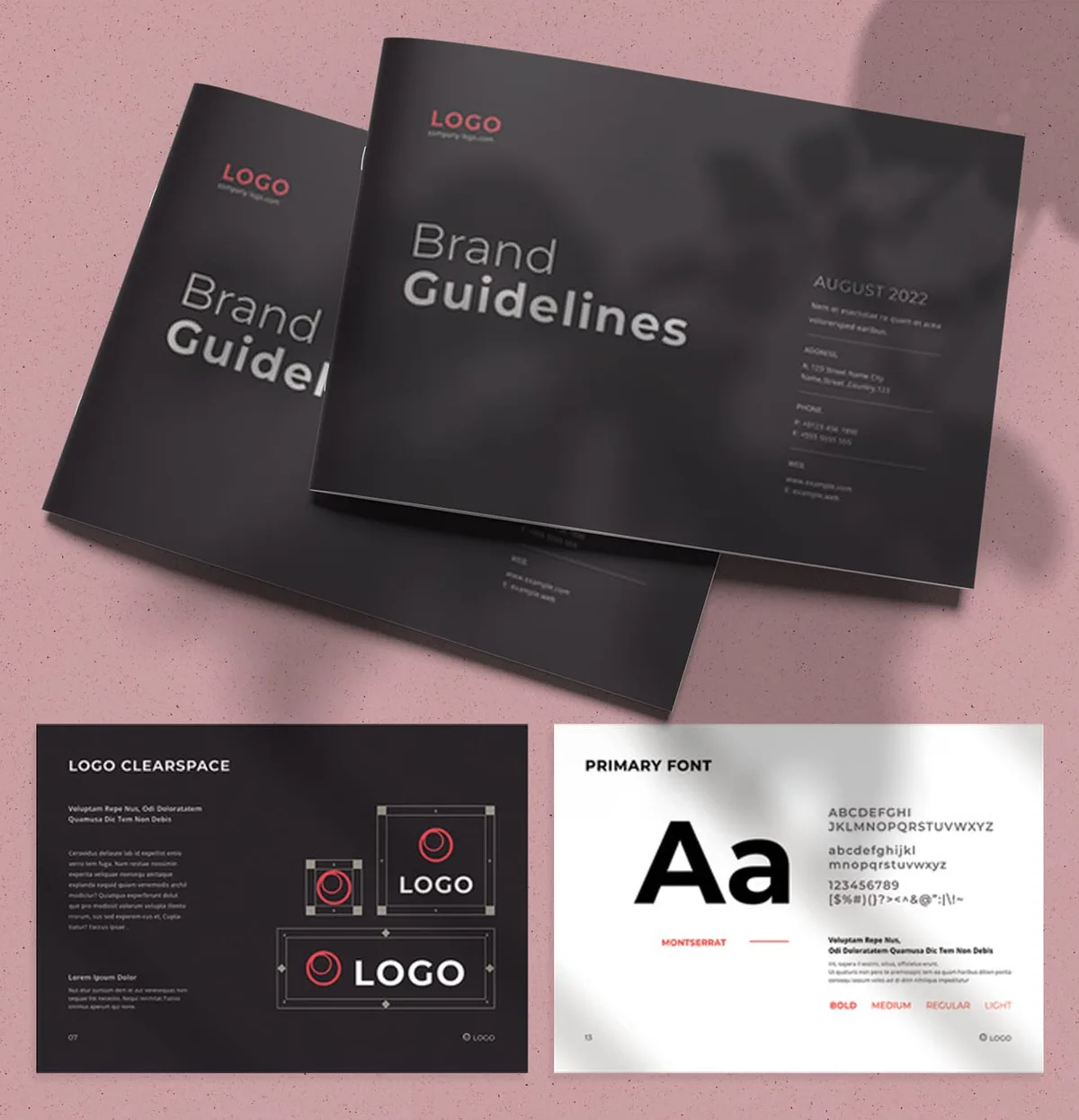
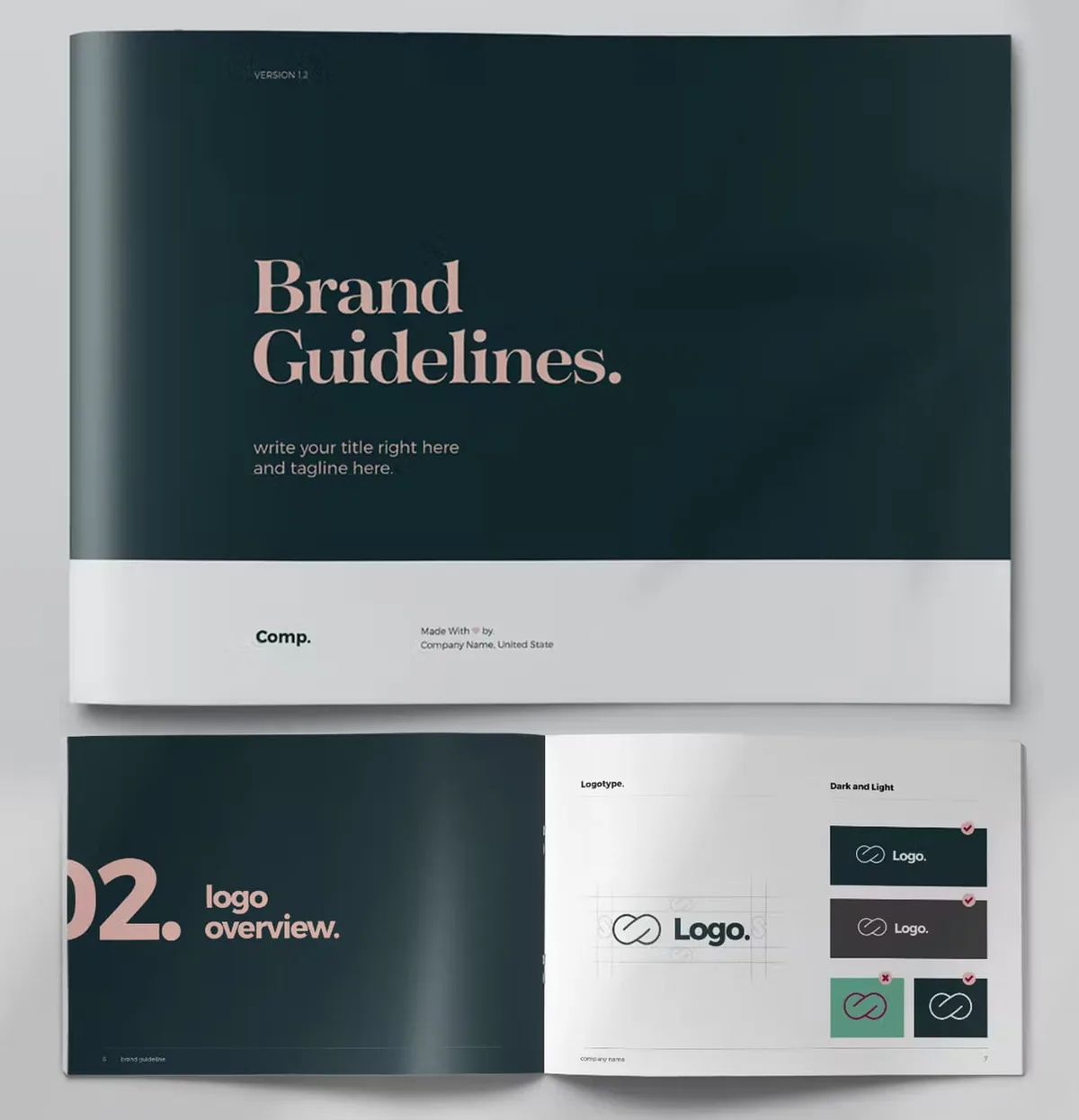
The logo section is the heart of any brand guidelines template. Show the primary logo, then show every approved variation: horizontal, stacked, icon-only, monochrome, and reversed for dark backgrounds. Each version needs a labeled file name so nobody grabs the wrong one.
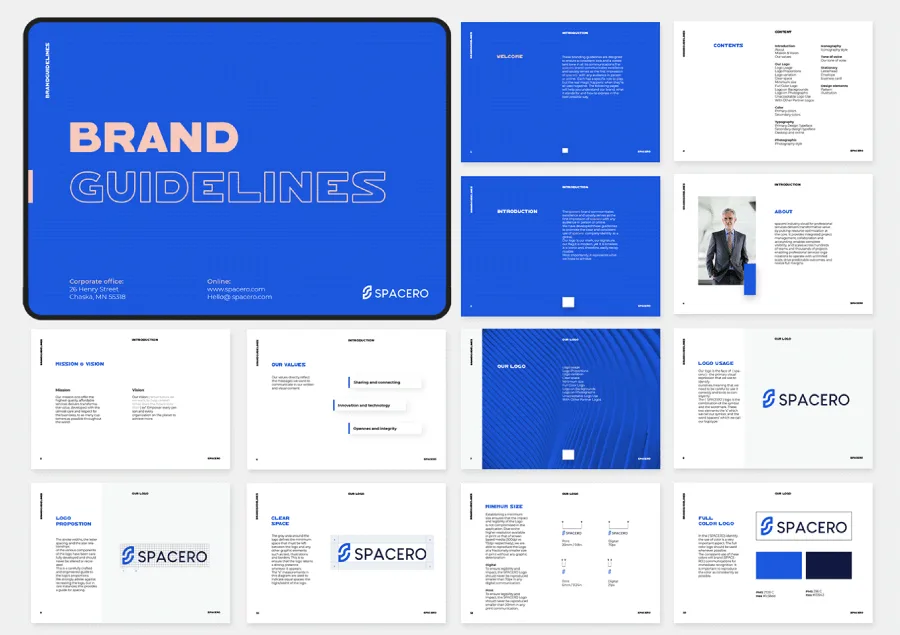
Then define clear space. A simple rule works well: the minimum empty margin around the logo equals the height of a specific letter in the wordmark. Show it visually with a bounding box. Add a misuse grid showing stretched, rotated, recolored, and drop-shadowed versions with a clear red X. People remember what not to do far better than a paragraph of instructions.
Color Palette and Accessibility
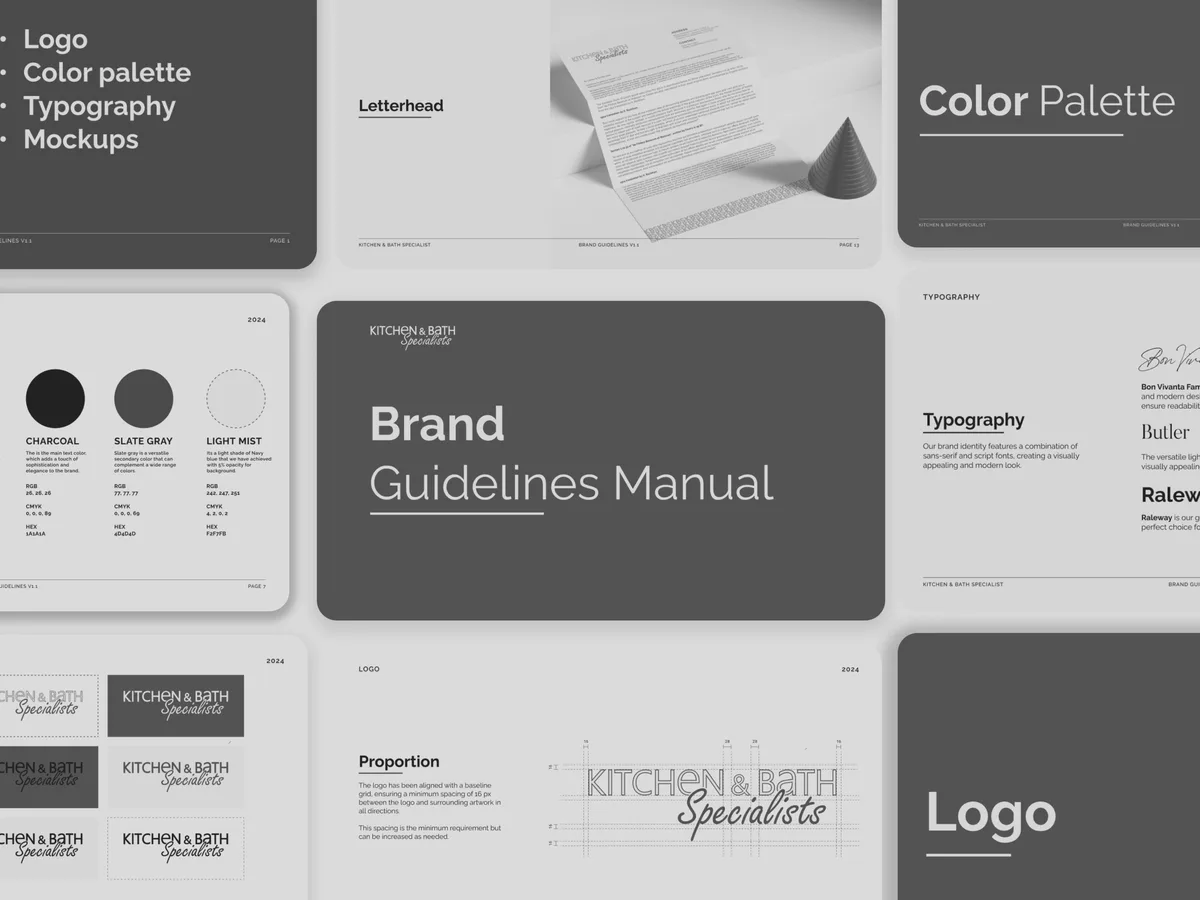
List every brand color with its HEX, RGB, and CMYK values side by side. Designers need HEX, printers need CMYK, and your developer needs to know which token maps to which variable. A brand guidelines template checklist should always include this triple-format requirement.
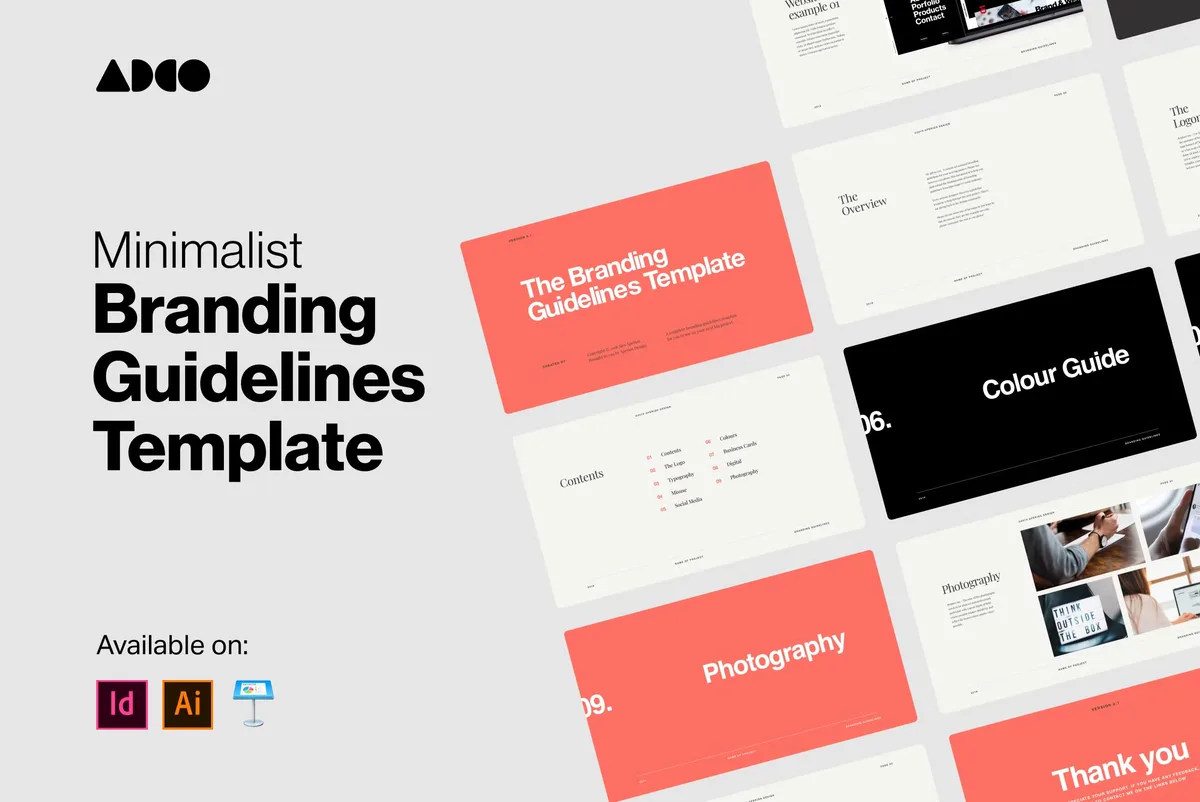
Go one step further and document contrast ratios. Note which text-and-background pairings pass WCAG AA and which do not. This single addition prevents a mountain of accessibility complaints and shows your team you take inclusive design seriously.
Typography Rules That People Actually Follow
Name your primary typeface, your secondary typeface, and a web-safe fallback stack. Effective execution in your brand guidelines template makes a tangible difference. Specify weights, line heights, and letter spacing for headings versus body copy. Show real examples at real sizes rather than abstract specimens.
The most underrated part of this section is the fallback. If your licensed font fails to load, what does the page look like? Documenting that answer keeps your site from looking broken on a slow connection.
Voice, Tone, and Messaging
Voice stays constant; tone shifts with context. A support email and a launch announcement can share the same brand personality while sounding completely different. Good brand guidelines template best practices separate these two ideas clearly so writers know what is flexible.
Include three or four sample sentences written in your voice, plus three written against it. Concrete examples beat adjectives every time. “We sound confident but never arrogant” means little; a paired example makes it instantly usable.
How to Customize a Brand Guidelines Template in One Afternoon
Speed comes from preparation, not from rushing the document itself. Before you open the template, gather your existing assets in one folder: logo files, color codes, font licenses, and any messaging docs that already exist. Half the work is just collecting what you already have.
Then work section by section, top to bottom, without jumping around. Fill in what you know, mark what you do not, and move forward. You can circle back once the skeleton is complete. This approach beats perfecting the logo section for three hours while the rest sits empty.
Set a hard time limit per section. Maintaining clarity across your brand guidelines template remains essential. Twenty minutes for logo, fifteen for color, twenty for typography, and so on. Constraints force decisions, and decisions are what turn a blank template into a real document.
Start With What Already Exists
You almost certainly have brand decisions buried in old files. Your website CSS holds your color values. Your last deck holds approved logo placements. Your best-performing landing page holds your voice in action.
Mine those sources first. Copy the hex codes straight from the stylesheet. Screenshot the logo placements you like. Pull two paragraphs from your strongest copy and label them as voice examples. You are not inventing a brand; you are documenting the one you already have.
Decide What to Leave Blank on Purpose
Not every section needs to be filled on day one. If you have not chosen a secondary typeface yet, write “TBD” and add a note about the timeline. An honest gap is better than a placeholder that someone mistakes for a final decision.
Mark incomplete sections clearly with a visible tag. A simple “DRAFT” label in the corner of the page prevents accidental use. Then set a review date and actually revisit it.
Get One Round of Feedback, Then Ship
Endless revision is the enemy of a finished brand guidelines template. Share the draft with two or three people who will use it daily: a designer, a writer, and whoever handles marketing operations. Ask them one question: what is missing that would stop you from using this?
Fix the blockers, ignore the nice-to-haves for now, and publish version one. A thoughtful approach to brand guidelines template reinforces your qualifications. You can iterate later. A live document that is eighty percent complete beats a perfect one that never ships.
Free Brand Guidelines Template Options Worth Using
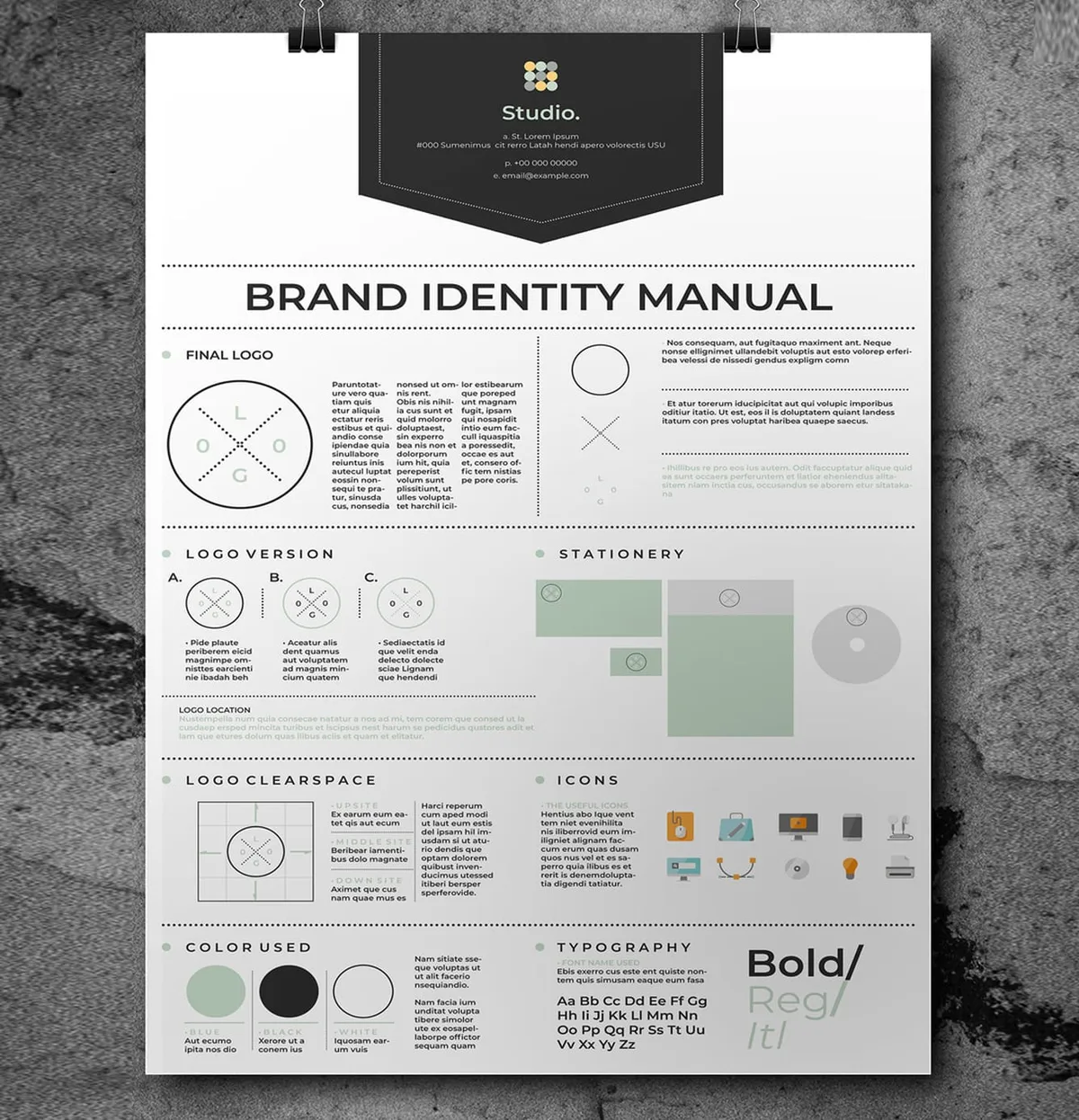
You do not need to pay for a starting point. Several credible sources offer free brand guidelines template files that cover the essentials. The trick is knowing which ones fit your situation and which will waste your time.
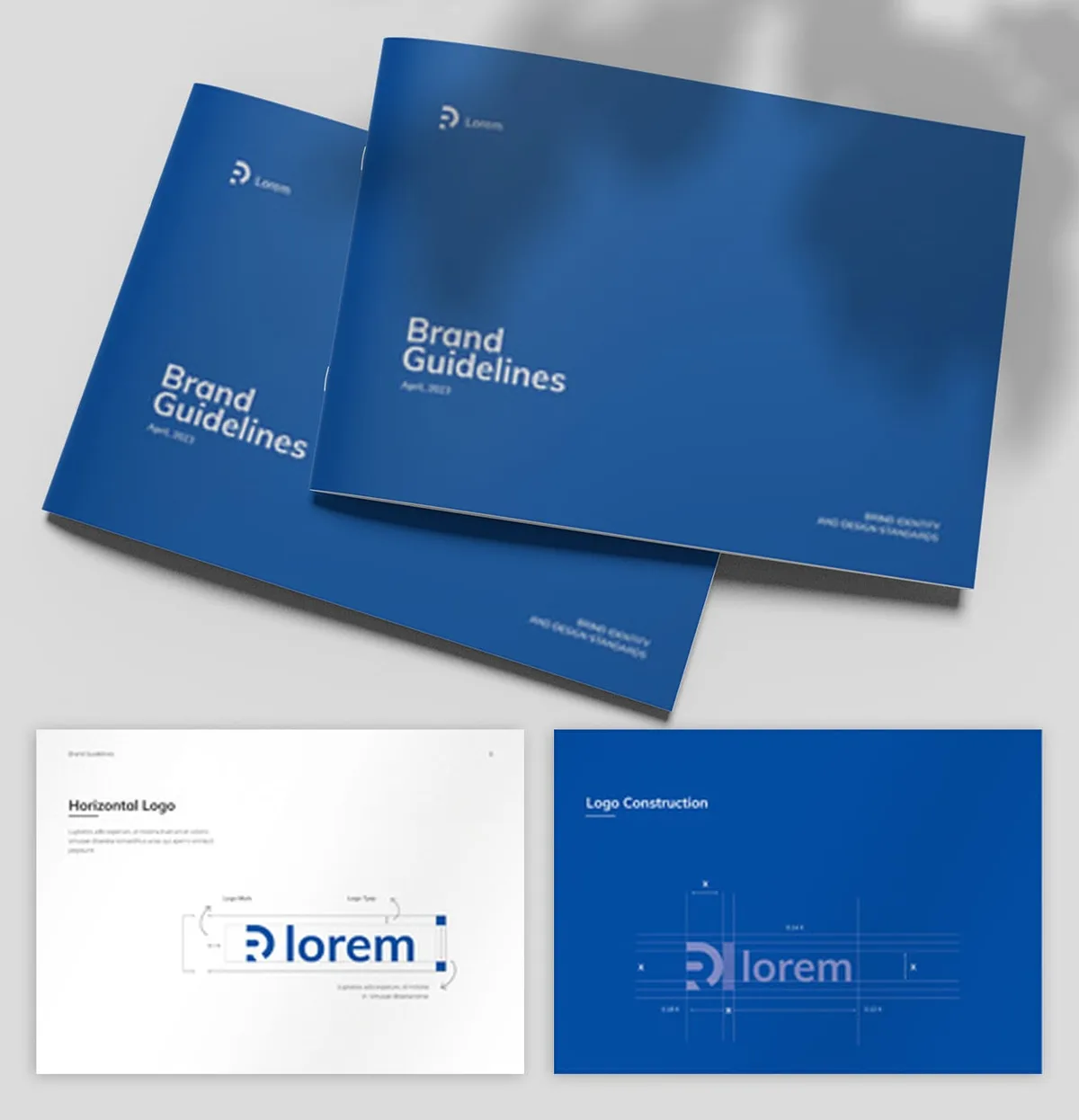
Below is a comparison of common free options, what they include, and who they suit best. Treat this as a shortlist to evaluate rather than a definitive ranking, since available files change and quality varies by source.
| Source Type | What You Get | Best For | Watch Out For |
|---|---|---|---|
| Design tool community files | Fully editable layouts in Figma or Canva with sample pages | Teams already working inside those tools | Community files can disappear or change without notice |
| Stock asset libraries | Polished PDF and InDesign templates | Brands that need print-ready output | Some require a paid subscription to download |
| Open documentation frameworks | Plain-text or markdown structures | Developer-heavy teams and wikis | Minimal visual design, needs styling work |
| Government and nonprofit toolkits | Publicly released brand manuals | Reference and inspiration | Written for a different organization’s needs |
My honest take: start with a design tool community file if your team lives in Figma or Canva, because editing is frictionless. If you need something you can print and hand to a printer, a PDF template from a stock library is worth the extra step.
Whatever you pick, strip it down before you build it up. Most free templates include sections a small brand will never use. Delete them. A lean brand guidelines template gets read; a bloated one gets ignored.
Brand Guidelines Template Best Practices That Hold Up Over Time
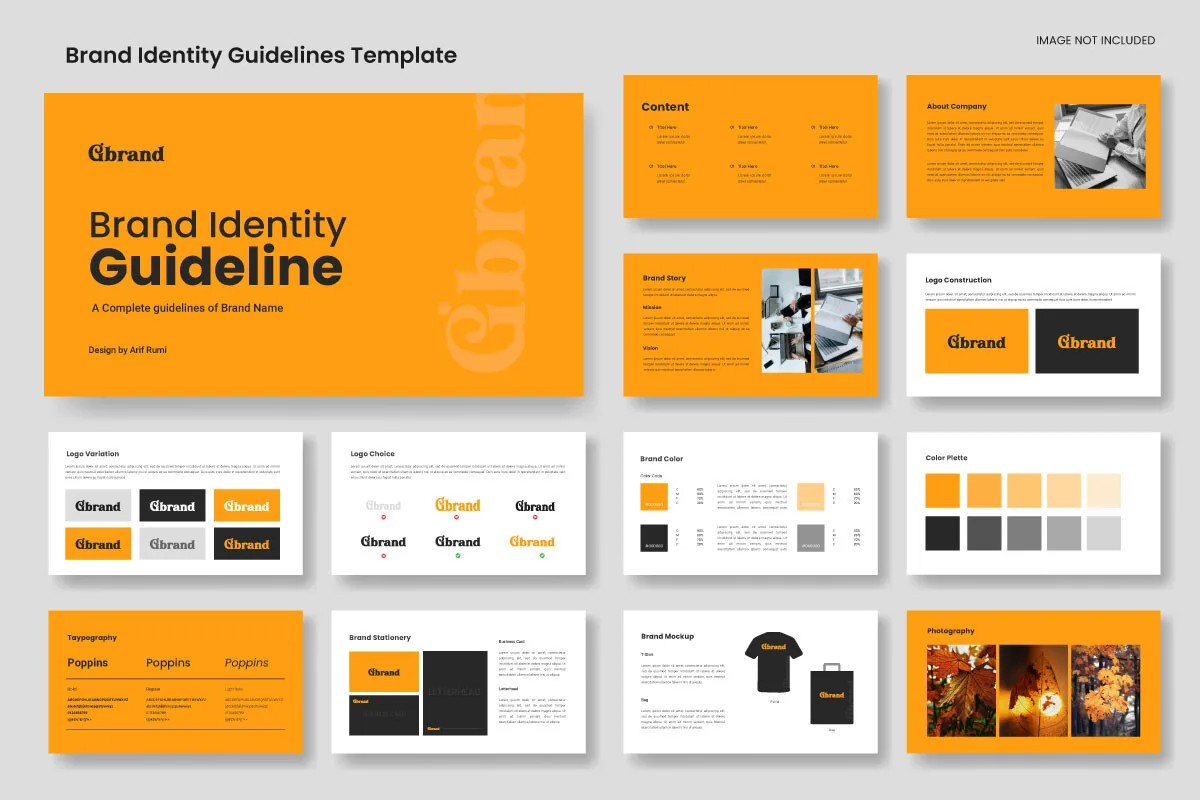
Documentation fails for predictable reasons. It gets too long, too vague, or too hard to find. The practices below address each failure mode directly and keep your brand guidelines template useful months after the initial excitement fades.
These are not abstract principles. Each one comes from watching real teams either thrive with their brand docs or quietly abandon them. Choose the ones that fit your culture and skip the rest without guilt.
Keep It Short Enough to Read in One Sitting
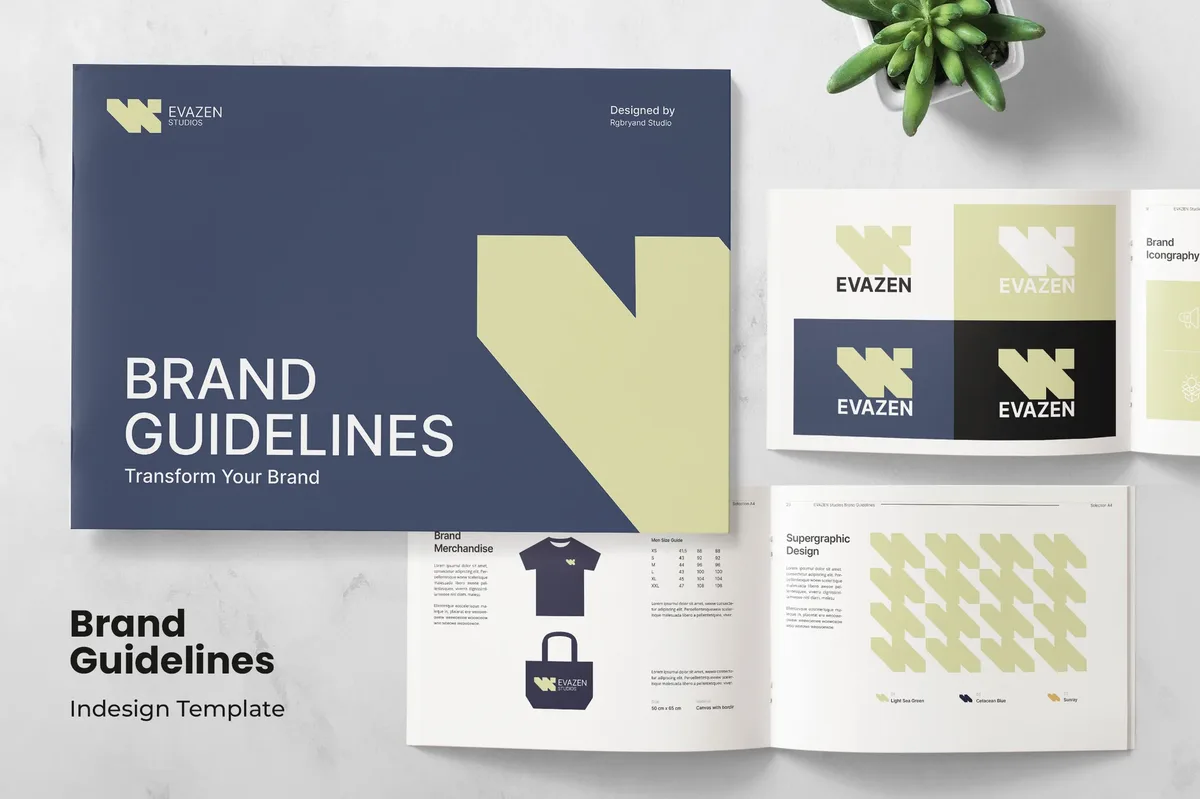
If your document takes more than twenty minutes to skim, most people will not skim it. Aim for a length a busy colleague can absorb during a coffee break. Depth belongs in appendix files, not in the main guide.
One effective approach is a two-tier structure. A short core document covers the rules everyone needs. Linked appendices hold detailed specs for specialists. Your brand guidelines template tips should always favor the reader’s time over completeness for its own sake.
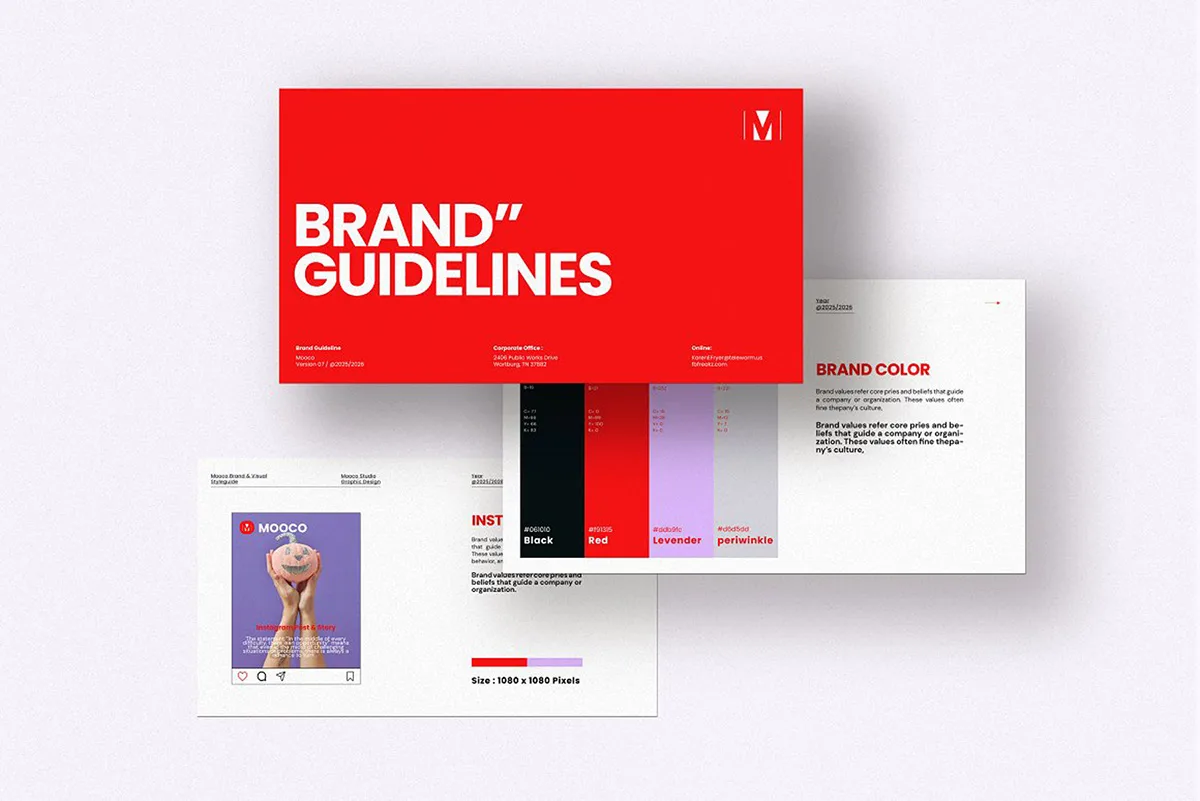
Make It Findable and Searchable
A perfect document hidden in a shared drive folder nobody browses is functionally useless. Structuring your brand guidelines template around proven patterns ensures impact. Put it where people already work: your team wiki, your project management tool, or a pinned link in your main chat channel.
Add a table of contents and use consistent section headings so browser search works. If someone types “clear space” into the document search, they should land on the answer in one jump.
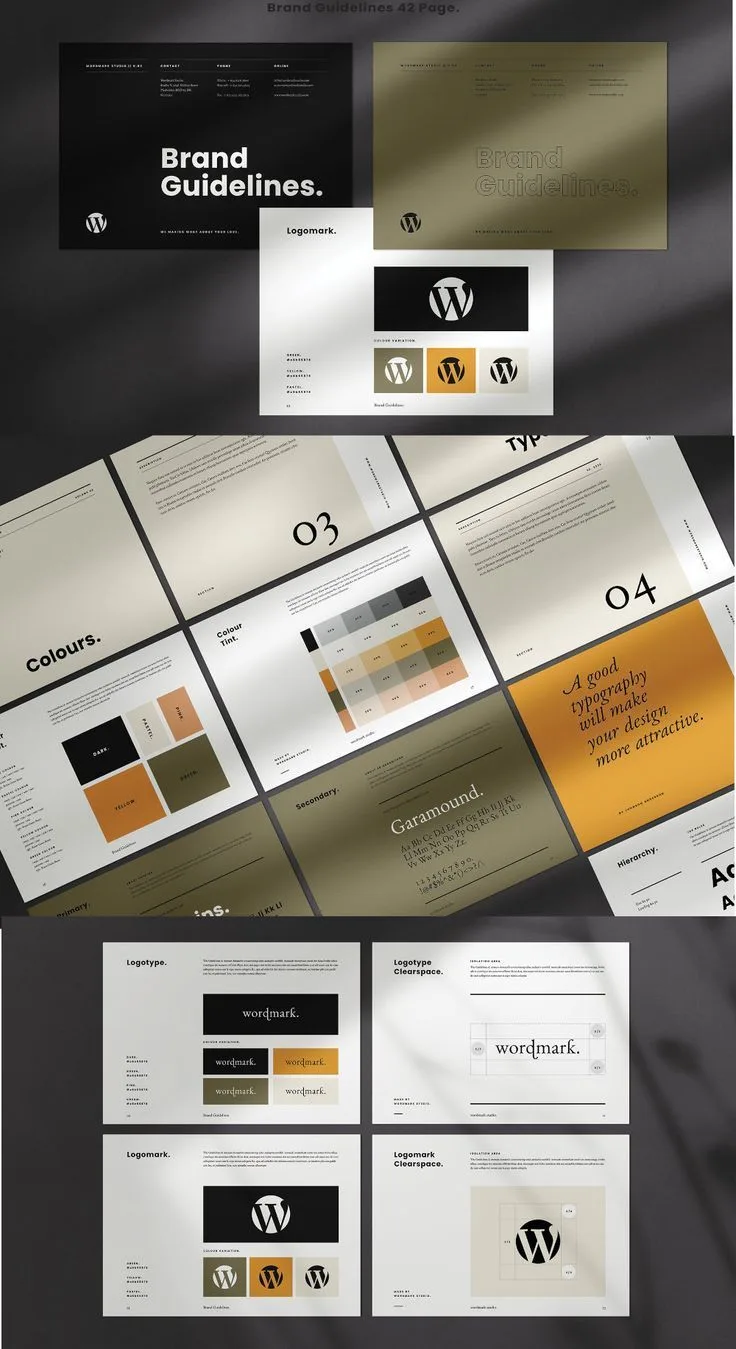
Use Real Examples, Not Abstract Rules
Show a social post done right next to one done wrong. Show a slide deck with correct typography next to one with the classic mistakes. Real examples do more teaching than any list of rules.
This is where a brand guidelines template checklist earns its keep. A checklist of “did we use the right logo version, the right font weight, the approved palette” turns vague guidance into a repeatable quality gate.
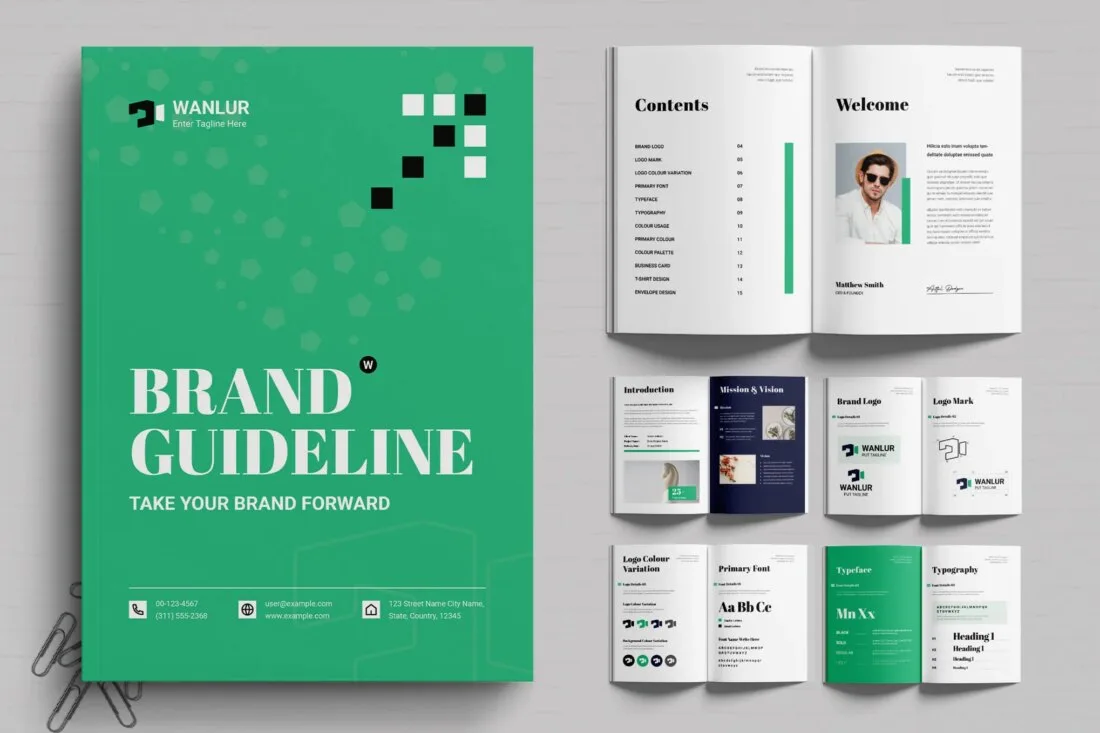
Assign an Owner and a Review Rhythm
Brand docs rot when nobody owns them. Name one person responsible for keeping the document current. It does not need to be a senior role; it needs to be someone who cares and has authority to say yes.
Set a light review cadence, maybe twice a year, to catch outdated assets and missing sections. Small, regular updates beat a dramatic annual overhaul every time.
Your Brand Guidelines Template Checklist Before You Publish
Before the brand guidelines template hand your document to the team, run it through a final pass. The checklist below catches the gaps that most first drafts share. It takes ten minutes and saves months of confused Slack messages.
Treat this as a gate, not a suggestion. If a box is unchecked, either fix it or consciously decide it is out of scope for version one. Both outcomes are fine; silence is not.
- Every logo variation is present and labeled. Primary, horizontal, stacked, icon, monochrome, and reversed versions each have a clear file name and a note on when to use them.
- Clear space and minimum size are shown visually. A diagram beats a paragraph. Include the smallest acceptable print and screen sizes.
- Colors are documented in HEX, RGB, and CMYK. Add contrast pairings and note which combinations pass accessibility checks.
- Typography specs cover headings, body, and fallbacks. Include weights, sizes, and line heights for both print and web.
- Voice and tone have paired examples. Show sentences written in your voice next to sentences that miss the mark.
- Asset locations are linked. Point to the folder or library where approved files live, with access instructions.
- A misuse section exists with visuals. Show the stretched logo, the off-brand color, and the wrong font so nobody repeats them.
- An owner and review date are named. Someone is responsible, and the next review is on the calendar.
Run this checklist against your draft and you will catch the majority of issues that make brand docs fail. It is the single highest-leverage step in the whole process.
Common Mistakes That Sink a Brand Guidelines Template
Even with a solid template, teams find ways to undermine their own documentation. The patterns repeat often enough to predict. Recognizing them early saves you a painful rewrite later.
None of these mistakes are fatal on their own. Stack two or three together, though, and your brand guidelines template becomes the thing everyone ignores.
Writing Rules Without Showing Them
A page that says “keep the logo prominent” teaches nothing. A page that shows the logo at three sizes on three backgrounds teaches everything. Whenever you are tempted to write an adjective, replace it with an example.
The brand guidelines template is the most common failure I see in first drafts. The writer knows the brand intuitively and assumes everyone else does too. They do not. Show, then tell.
Treating It as a One-Time Project
Brand documentation is a living artifact, not a graduation ceremony. The moment you publish and walk away, it starts drifting out of date. New products launch, colors get added, and the document quietly becomes wrong.
Build in a maintenance habit from day one. A quarterly fifteen-minute review keeps the document trustworthy without becoming a burden.
Overcomplicating the Language
Jargon makes documents feel official and unreadable in equal measure. If a new hire cannot understand a section on first read, rewrite it. Plain language is not a downgrade; it is the whole point.
Read your draft aloud. Any sentence you stumble over needs another pass. Your future self, skimming the doc at 4 p.m. On a Friday, will thank you.
Frequently Asked Questions About Brand Guidelines Templates
Here is an in-depth breakdown of key considerations regarding this section:
Do I Really Need a Brand Guidelines Template if I Am a Solo Founder?
Yes, and arguably more than a large team does. As a solo founder, you are the entire brand team, and your future self will forget the exact hex code you chose six months ago. A lightweight brand guidelines template gives you a single source of truth that costs an afternoon to build.
How Long Should a Brand Guidelines Template Be?
For most small and mid-sized brands, twelve to twenty-five pages hits the sweet spot. Long enough to cover the essentials, short enough that people actually read it. If you find yourself pushing past thirty pages, move the details into linked appendices.
Can I Use a Free Brand Guidelines Template Commercially?
Usually yes, but check the license attached to the specific file. Some community templates allow commercial use freely, others require attribution, and a few restrict redistribution. The license terms are almost always listed on the download page.
What is the Difference Between Brand Guidelines and a Brand Strategy?
Strategy defines who you are and who you serve: positioning, audience, and promise. Guidelines define how that strategy looks and sounds in practice. A brand guidelines template documents execution; the strategy lives in a separate, shorter document.
Who Should Own the Brand Guidelines Template?
Someone with design literacy and organizational authority, often a marketing lead or senior designer. The role matters less than the mandate: this person can approve changes and keep the document current. Without a clear owner, brand docs decay fast.
How Often Should I Update My Brand Guidelines Template?
Twice a year is a healthy rhythm for most teams. Update immediately when something major changes, like a rebrand or a new product line. Otherwise, a light scheduled review catches small drifts before they become problems.
What if My Team Ignores the Guidelines?
Usually the document is too long, too hard to find, or too vague. Fix those three issues before assuming people do not care. Make it short, put it where people work, and replace abstract rules with concrete examples.
Turning Your Brand Guidelines Template Into a Living System
The best brand guidelines template is not the most beautiful one. It is the one your team opens without groaning, finds the answer in seconds, and trusts enough to follow. Everything else is decoration.
Start lean. Fill the essentials, run the checklist, publish version one, and set a review date. Then let the document earn its keep by solving real problems your team runs into. Over time, it becomes less of a rulebook and more of a shared language.
If you want to go deeper, the natural next steps are building a brand asset library, drafting a content style guide that extends your voice rules, and creating a simple approval workflow for new materials. Each one builds on the foundation your brand guidelines template establishes.
Grab a free template, block out an afternoon, and get the first version done. Your future team, and your future self, will appreciate the head start.
For verified reference and background research, consult the authoritative informational resource on this topic.