Blog Post Frequency: Simple Guide + 7 Best Practices
Blog post frequency is the one lever almost every content team argues about, and it is also the one most teams get wrong. I have watched small publishers burn out chasing daily output and watched six-figure media brands win with a strict twice-a-week rhythm.
The number itself is not magic. What matters is whether your cadence matches your audience’s appetite, your production capacity, and the type of content you actually publish.
The blog post frequency guide skips the vague “post consistently” advice you have read a hundred times. Instead, it walks through what publishing cadence really means, the tradeoffs behind it, and seven tested practices that working editorial teams apply to keep quality high without wrecking their writers.
Along the way, expect a practical stretch of blog post frequency tips you can put to work on your own calendar this week.
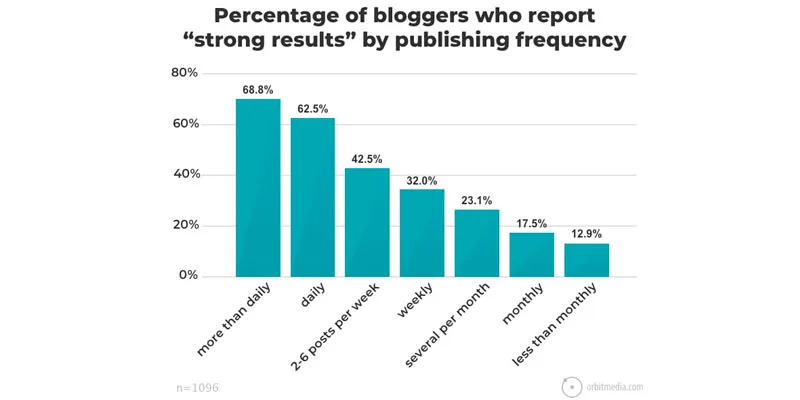
If you treat this as your working blog post frequency guide, bookmark it. You will want the checklist near the end when you sit down to plan your next quarter.
What Blog Post Frequency Actually Means (And What It Doesn’t)
At its simplest, blog post frequency is the rate at which you publish new articles over a defined period: daily, three times a week, twice a month, whatever rhythm your team decides. But the word “frequency” hides a subtler idea.
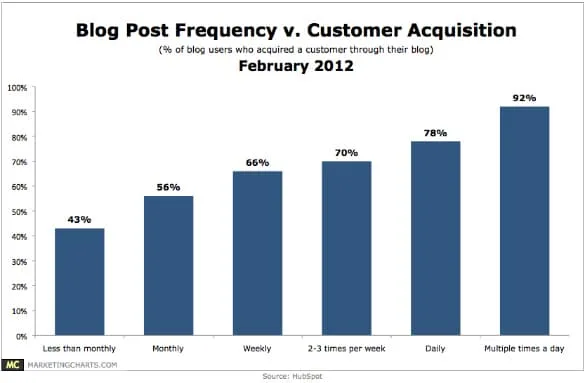
It is not just how many posts go out. It is the rhythm your readers come to expect, the pace your team can sustain, and the tempo that tells search engines something fresh is happening on your site.
Three elements usually get bundled into the term, so pull them apart before you plan:
- Output rate — raw number of published articles per week or month.
- Cadence — the spacing between articles, which affects reader habit and internal linking density.
- Consistency — whether that rhythm holds steady for months, not just a burst of energy in January.
There is also a misconception worth killing early. Increasing blog post frequency alone does not lift rankings. Google’s own documentation on helpful content makes no promise about posting volume. What it rewards is a steady supply of useful pages that satisfy user intent. Cadence is a means, not an end.
Another thing: frequency is not the same as content velocity. A team can publish ten thin posts a week and still have poor velocity because nothing compounds. A slower cadence with evergreen depth often wins more organic ground over twelve months than a frantic daily schedule that nobody can maintain.
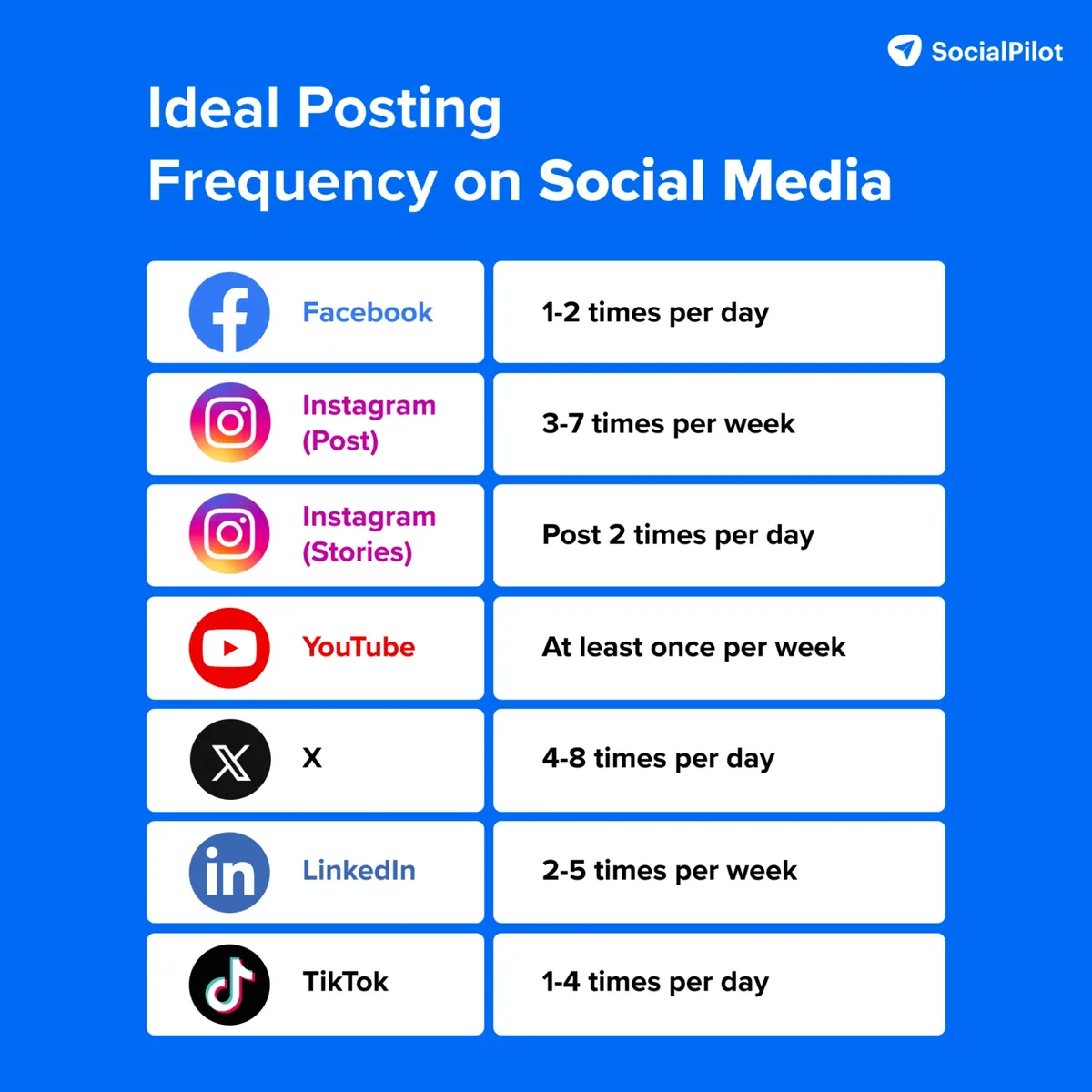
Why Blog Post Frequency Still Matters for SEO and Reader Trust
Let me be blunt: publishing more does not guarantee better rankings. But publishing at a rate your audience can count on does build compounding advantages that slower, erratic websites struggle to match. Here is the practical case for caring about blog post frequency, even if you are not trying to dominate a competitive niche.
Search engines crawl sites on schedules tied to how often those sites change. If your last publish date was four months ago, expect a slower discovery cycle. When you publish at a stable rhythm, crawl budgets adjust upward and new pages get indexed faster. That is the mechanical side.
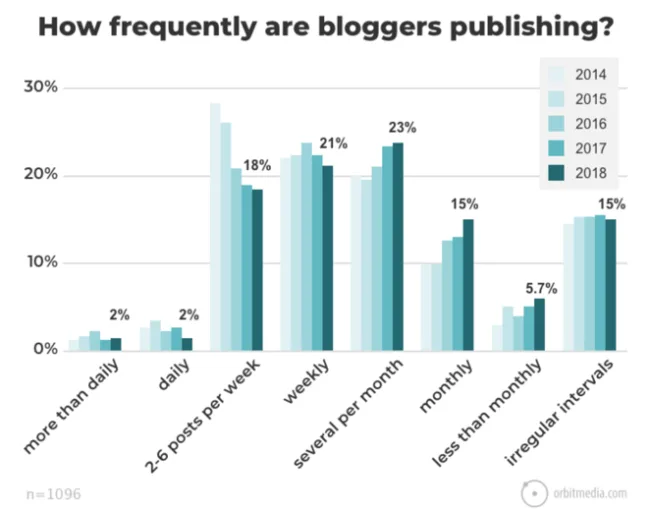
The human side is stronger. Readers who find you on a Tuesday and return two weeks later expecting another useful piece keep returning. That habit-building effect is why newsletters tout a weekly schedule and podcasts publish the same day each week. Blog post frequency operates on the same principle.
Fresh content also feeds internal linking. Refining each detail of your blog post frequency strengthens this section. Every new post gives you one more page to link into your older pieces, and one more anchor to point back to a money page.
Content strategists at agencies I have worked with treat cadence as an internal linking pipeline, not just a publishing target. That framing alone reshapes how they plan their calendars.
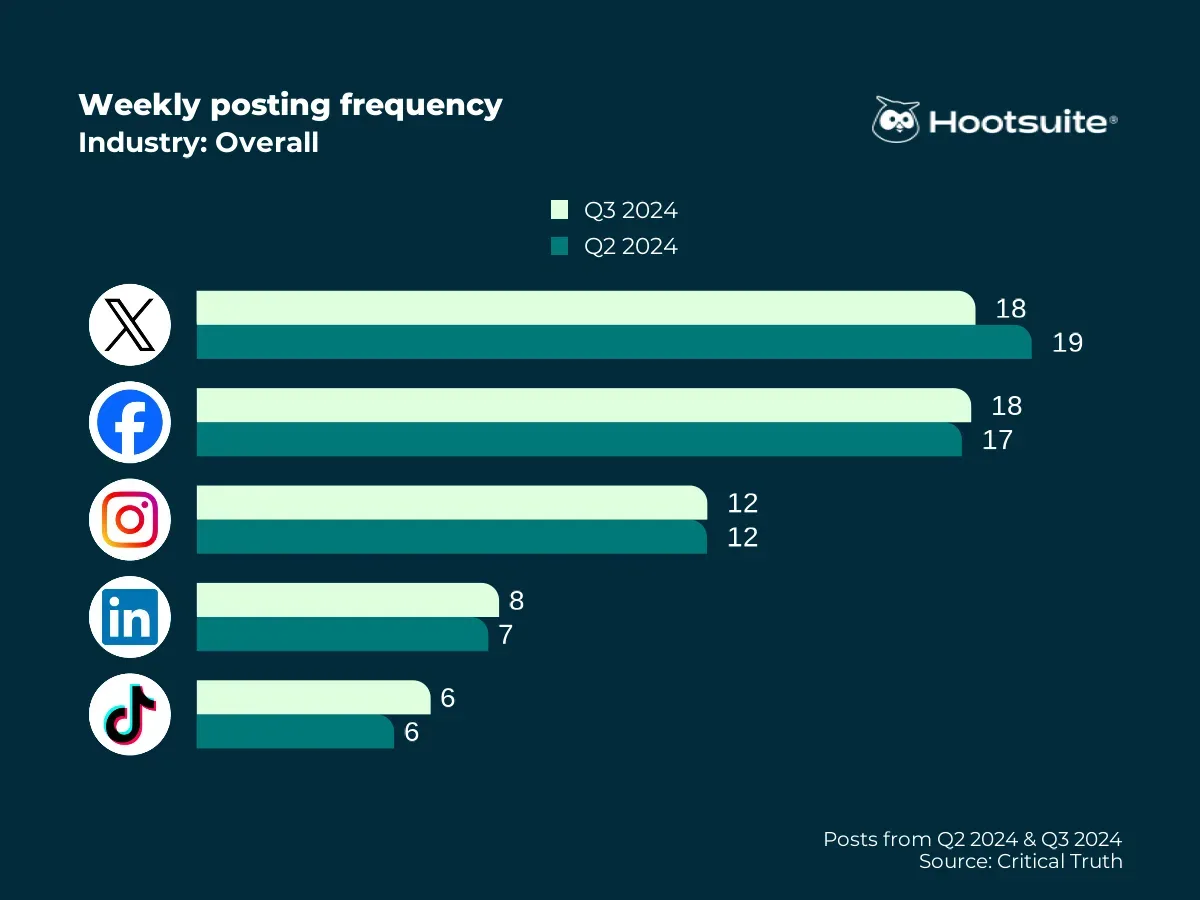
The Compound Effect of a Steady Publishing Rhythm
Here is where the math gets interesting. Twelve posts a year published on a reliable monthly beat build more topical momentum than twelve posts dumped in a two-week sprint followed by silence. Why? Because each post can link to the previous ones, the internal architecture grows organically, and reader behavior stabilizes.
Medium’s early editorial teams learned this the hard way after publishing bursts, and so do most SaaS content operations. Bursts feel productive. Steady rhythms actually grow organic traffic. The trick is resisting the urge to surge when motivation spikes and then crash hard when life gets busy.
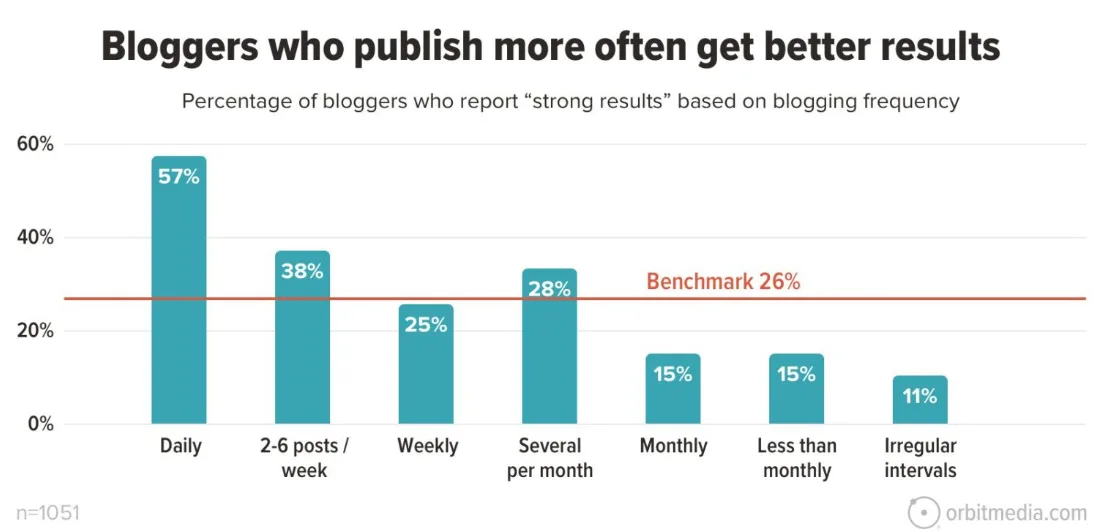
The Blog Post Frequency Guide Framework: Four Questions That Set Your Rhythm
Before you commit to any number, run your plans through four filters. These are the questions senior editors ask when a client pushes for daily publishing without knowing what it will cost.
1. Who Actually Reads You, and How Hungry are They?
A B2B legal blog with quarterly newsletter subscribers does not need daily output. A general-interest news site with a seven-day habit loop needs daily output or it loses the habit. Audience appetite, not ambition, is your first floor.
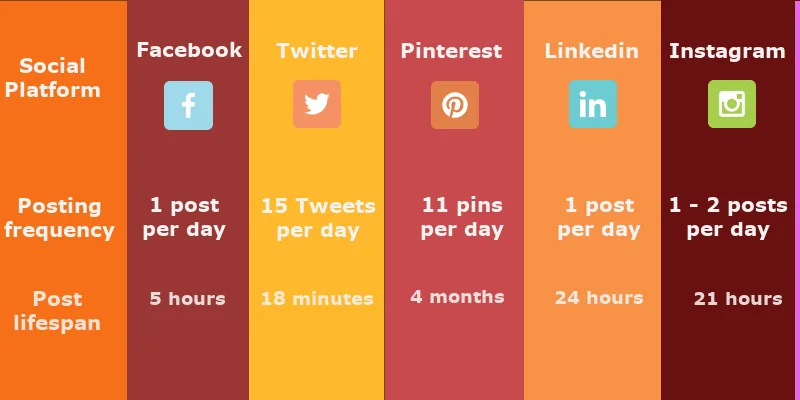
Ask directly: how often does my audience expect to hear from me? Effective execution in your blog post frequency makes a tangible difference. If your email list is opened within three days of every send, your blog rhythm should probably mirror that cadence. Readers form rhythms faster than most content teams realize.
2. What is Your Production Ceiling?
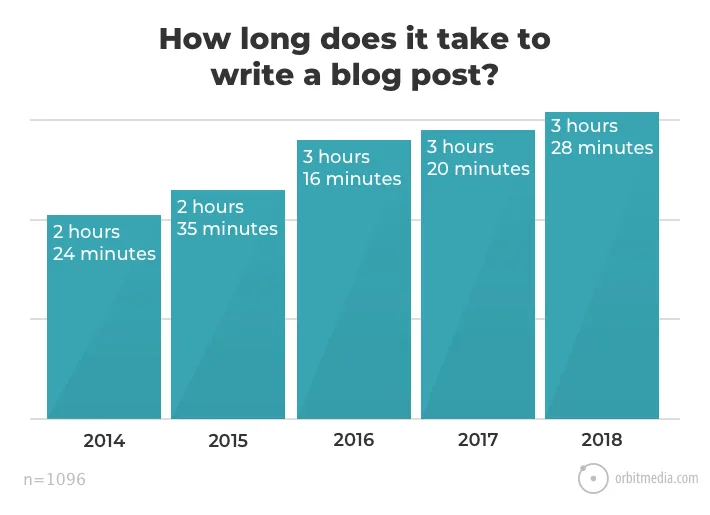
A hard truth many founders learn late: the sustainable ceiling is always lower than the theoretical one. If you cannot produce a well-researched, properly edited piece of 1,500-plus words every single day, daily publishing will either collapse quality or collapse the team.
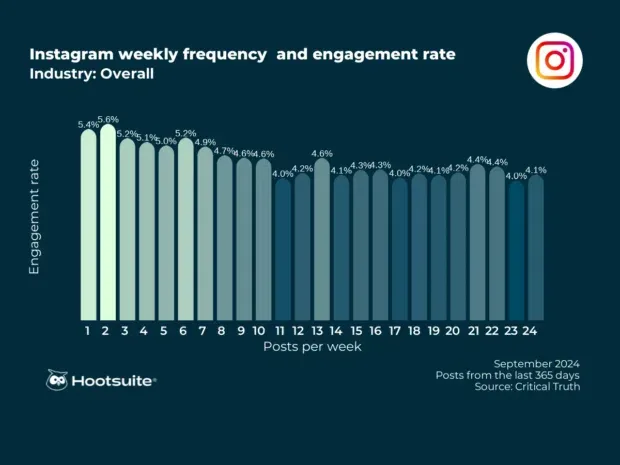
Test it. Pick a cadence, run it for six weeks, then measure whether editors and writers are still producing quality without overtime. If they are struggling at three posts a week, that is your ceiling today.
3. What Kind of Content are You Publishing?
News posts and pulse updates live and die by rapid cadence. Evergreen pillar pages and longform tutorials do not need same-week turnaround. If you are building topical authority on a narrow subject, a slow cadence done thoroughly beats a fast cadence done thinly.
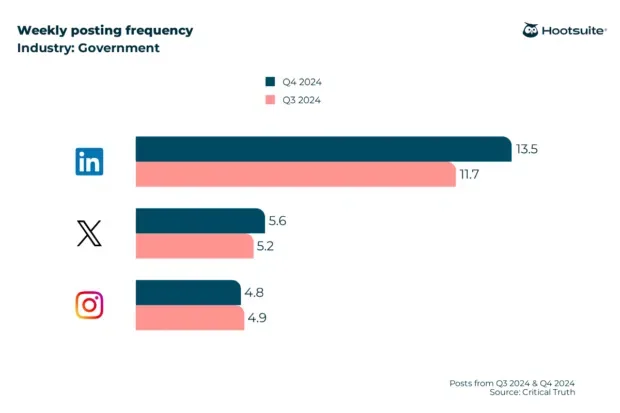
I have seen specialty publishers grow just as well with two deep posts a month as competitors with a daily grind of listicle filler. Match content type to frequency, not the other way around.
4. What are Your Workflow and Quality Controls?
Cadence at scale is a systems problem. Maintaining clarity across your blog post frequency remains essential. Do you have a team of one, or a writer, an editor, and a subject matter expert? Does your process include fact-checking, source review, and image optimization? Every one of those steps eats hours.
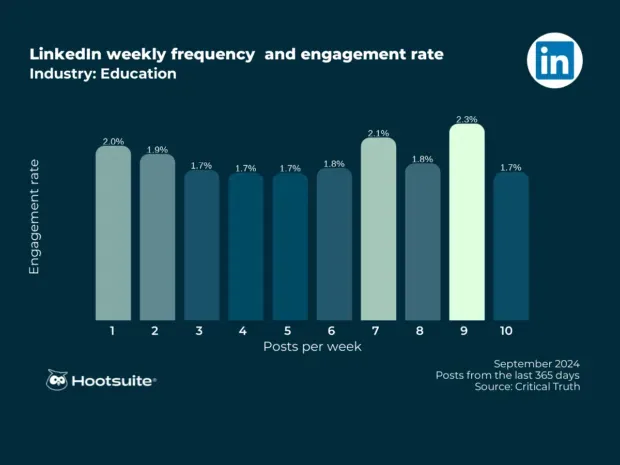
The best blog post frequency checklist includes a review step that cannot be skipped. When a team removes editing to protect cadence, they usually pay for it later in the form of thin content that underperforms and drags the whole site’s perceived quality down.
Industry Blog Post Frequency Benchmarks Worth Studying
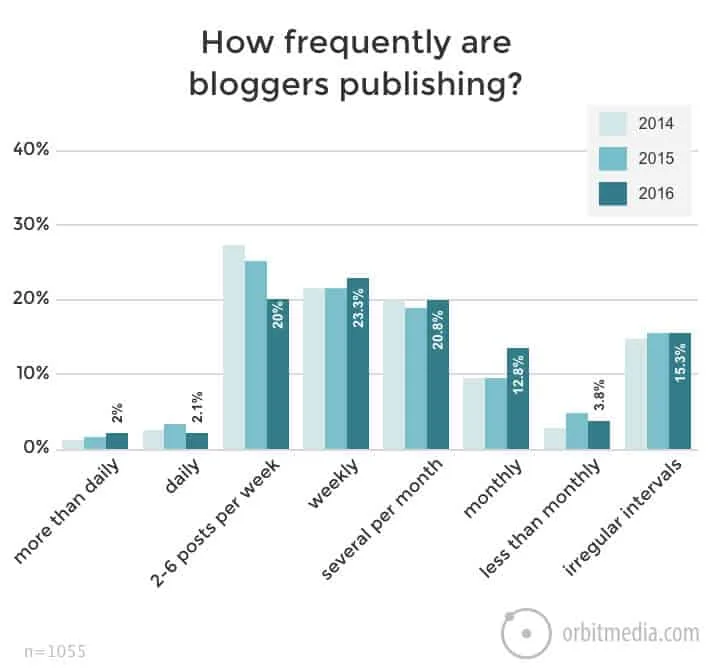
You do not need to copy anyone, but knowing typical ranges helps calibrate. The patterns below generalize across industries. Treat them as a starting map, not a mandate.
| Industry / Type | Typical Cadence | Why It Fits |
|---|---|---|
| News & Media | 5–15+ posts per day | Speed and volume drive ad impressions and habit |
| SaaS & B2B Technology | 1–3 posts per week | Longform depth over streaming updates |
| E-commerce & Retail | 2–4 posts per week | Seasonal demand and category support |
| Financial Services | 1–2 posts per week | Compliance review cycles slow production |
| Personal Blogs & Creators | 1–4 posts per month | Quality over volume, audience trust matters more |
| Niche B2B (Legal, Medical) | 1–2 posts per month | Expert review and citation-heavy writing |
Two patterns stand out. First, industries that monetize attention (media, retail) publish faster than industries that monetize expertise. Second, the more compliance and subject matter review a post requires, the more natural a slow cadence becomes.
These benchmarks are the quiet foundation of any serious blog post frequency guide. You are not copying competitors. You are mapping your environment to the physics of the space.
7 Best Practices That Make Blog Post Frequency Work
Here is the core of this article. Seven practices, each one field-tested, each one worth adopting no matter what cadence you choose. Read them in order, then pick two or three to implement first.
Practice 1: Build Your Calendar Around Pillar Cadence, Not Post-by-Post
Every content calendar I have seen work at scale starts with pillars. Pick two to three evergreen topic clusters per quarter. Plan four to six supporting posts around each pillar. Then spread those posts across your cadence so the cluster fills out sensibly over time.
This approach to blog post frequency lets you publish at a moderate pace while still building topical authority, because each post strengthens the cluster. It also protects against the “what do I write this week?” scramble that kills publishing rhythms.
The blog post frequency checklist for editors here is simple: is every planned post mapped to a pillar, and is every pillar receiving support this month?
Practice 2: Publish on the Same Days Each Week
Readers and search engines both respond to predictability. Pick Tuesday and Thursday, or Monday and Friday, and stick to them. Consistency signals reliability, and reliability trains habit.
A client I worked with cut their publishing days from “whenever” to “Tuesday, Wednesday, Thursday” and saw newsletter open rates climb nine points within two months. Nothing changed about the content quality. The rhythm changed, and the audience responded.
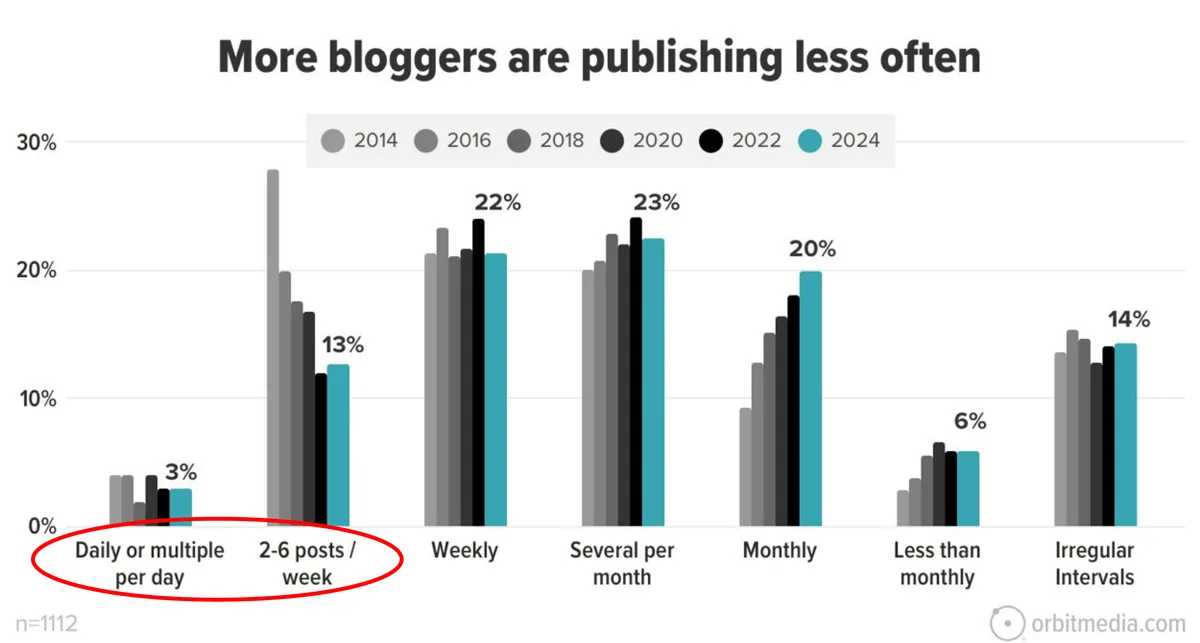
This practice is quietly at the heart of most blog post frequency tips you will read: be boringly predictable. Predictability is not a bug. It is the feature.
Practice 3: Cut Topic Scope, Not Publishing Quality, to Hit Cadence
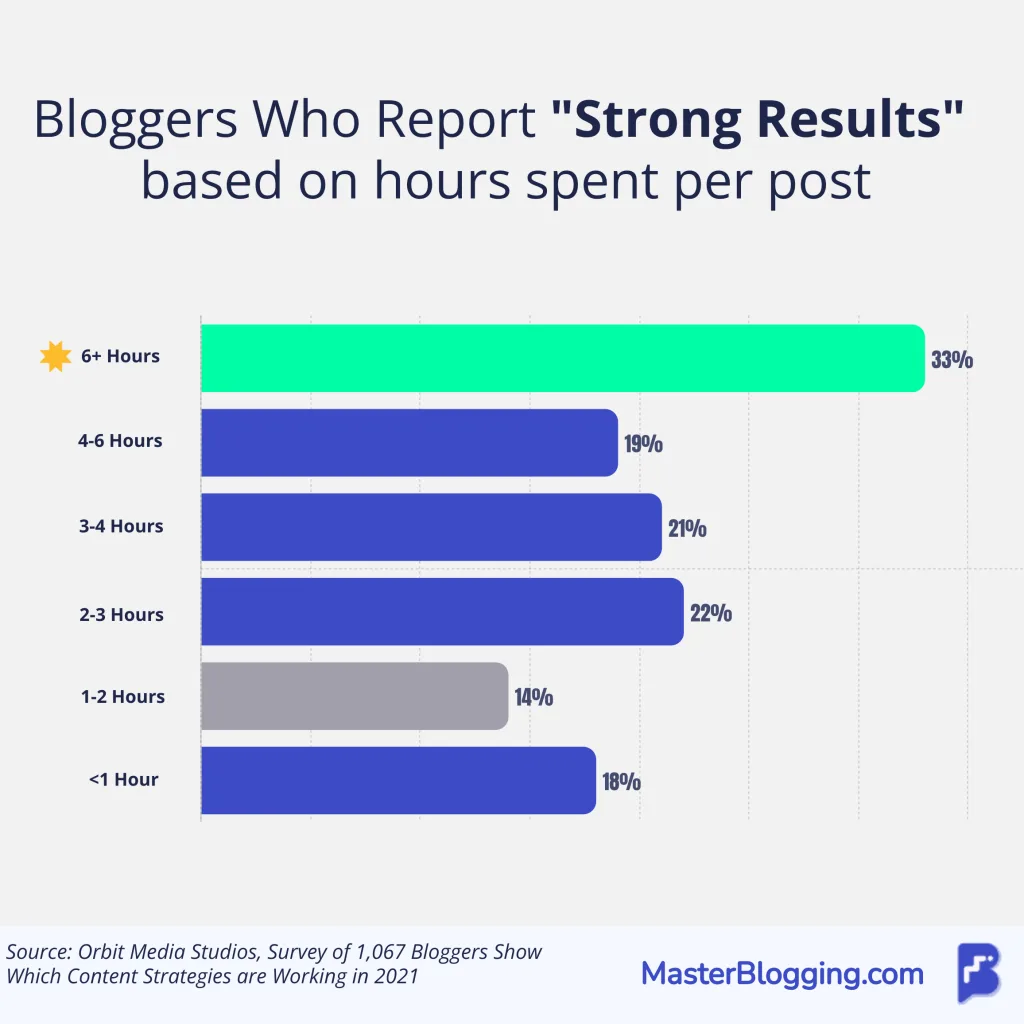
When you cannot hit a target cadence, the first instinct is to shrink word count or shorten research. Do not. Instead, narrow the topic. A 900-word practical answer to a specific search query outperforms a rushed 3,000-word essay that tries to cover three subjects.
Narrowing scope is the safest lever a small team has. It lets you keep quality high at an active cadence without pushing the editorial process to the edge. The blog post frequency best practices on every serious editorial desk include “write tighter, not thinner.”
This also helps in competitive niches. Specific posts rank faster and attract more qualified traffic than thinly covered broad topics.
Practice 4: Batch Production, but Publish in Rhythm
Batching lets the blog post frequency separate the creative act from the calendar act. Write four posts in a focus block during week one, then publish them at two per week for two weeks. The result: steady cadence without a daily scramble.
Batching also helps writers stay in flow, and flow produces better sentences. I have found that a writer who writes two posts back-to-back on the same subject produces more coherent arguments than the same writer working one post at a time with a five-day gap.
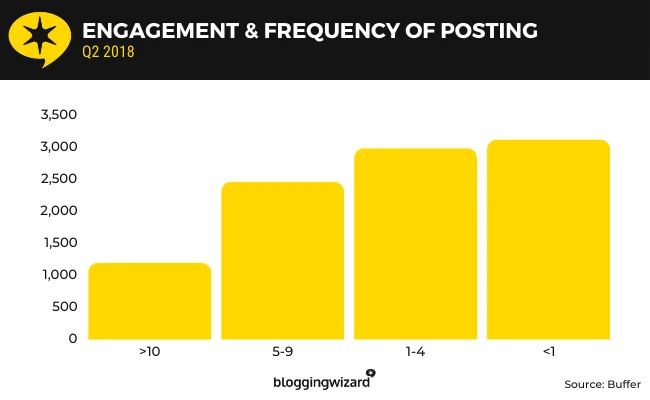
The catch is scheduling. Batching only works when the publishing calendar stays disciplined about release dates. That discipline is what makes the technique reliable.
Practice 5: Use an Editorial Blog Post Frequency Checklist Every Single Week
Every publishing process needs a checklist. Not because writers cannot remember steps, but because rhythm-at-scale breaks when steps get skipped. A working checklist looks like this:
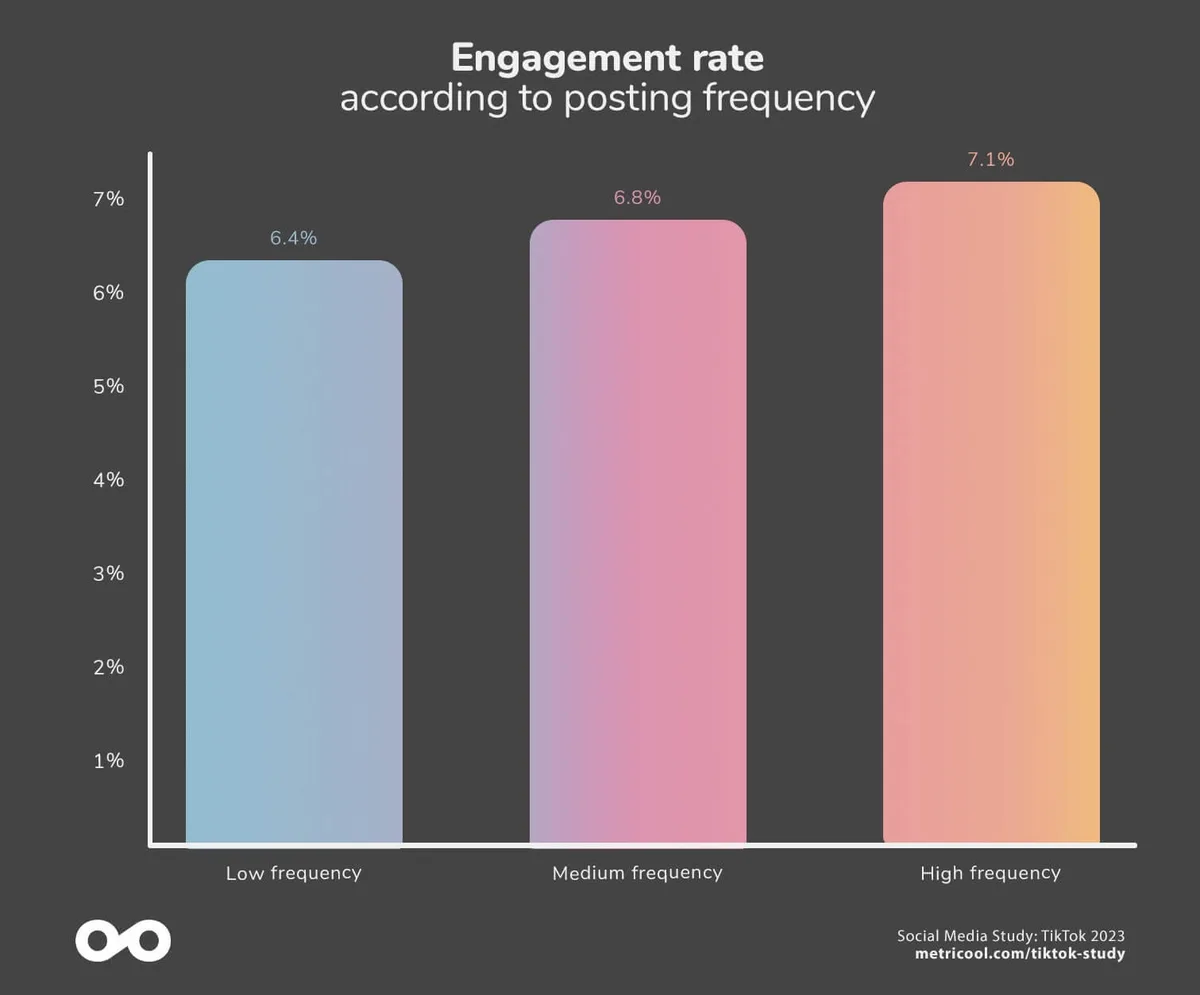
- Is this week’s post aligned with the quarter’s pillar plan?
- Has a subject matter expert reviewed factual claims?
- Is there at least one internal link to a related pillar page?
- Does the post include a clear answer in the first 100 words?
- Are images optimized, alt text included, and the primary keyword present in at least one alt attribute?
- Is there at least one external link to an authoritative source, such as Wikipedia or an industry body?
- Has the meta description been written and does it carry a keyword?
- Is the publish date locked and the post scheduled?
A checklist like this is the reason some teams can run a heavy blog post frequency without quality slipping. It is unglamorous. It is also the difference between a publishing rhythm and a publishing mess.
Practice 6: Track Performance by Cadence Cohort, Not Just by Post
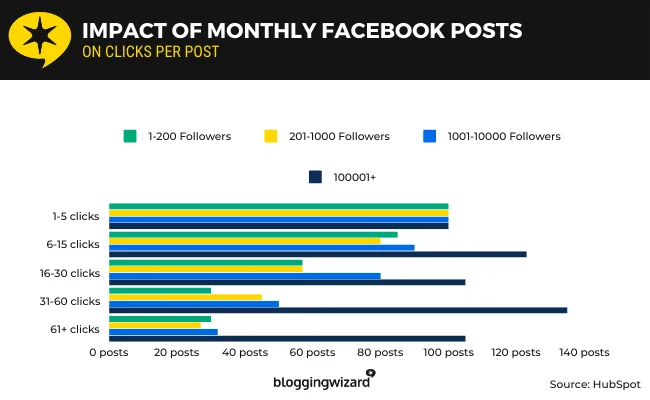
Most teams measure posts individually. Smarter teams measure cohorts: how did all posts published in a given quarter perform ninety days after publishing? That view reveals whether your cadence is actually compounding or just accumulating.
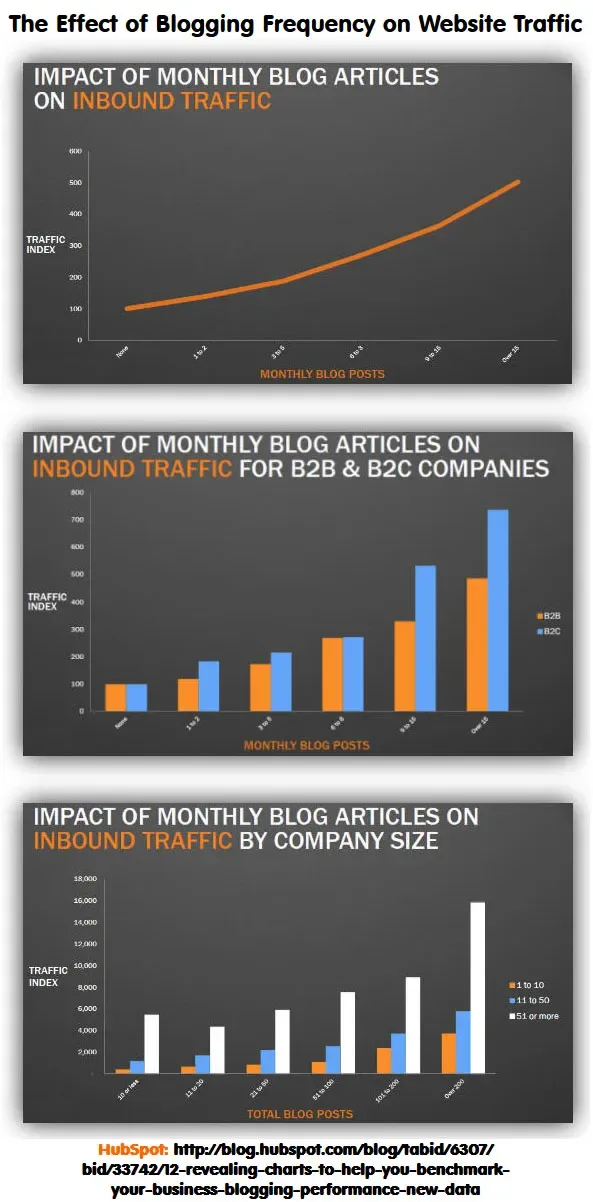
Look for three signals in cohorts. Applying these principles to your blog post frequency yields measurable results. First, is the average organic traffic per post trending up? Second, is the internal linking depth improving (each new post links to more pillars)? Third, is the average time between publish date and steady traffic shrinking?
When all three are trending in the right direction, your blog post frequency is working. When one stalls, adjust the cadence or the content type before scaling up.
Practice 7: Take Cadence Breaks on Purpose, Then Come Back Stronger
Sustainable rhythm almost always includes planned pauses. Two weeks of lighter publishing around the holidays or a major product launch is healthier than pushing through and burning out the team.
The small trick that makes a break feel professional rather than sloppy: announce it. Readers forgive a two-week gap if they expect it. They stop trusting you if the gap arrives unannounced and turns into six weeks of silence.
Coming back stronger works best when the return post is a strong one. Plan a re-entry piece before you pause. Then hit publish on the promised date. The rhythm returns faster than you would expect.
How to Scale Blog Post Frequency Without Losing Quality
Scaling cadence is where most content operations either win or quietly fall apart. The safe path involves three stages, and skipping any of them tends to reverse the other two.
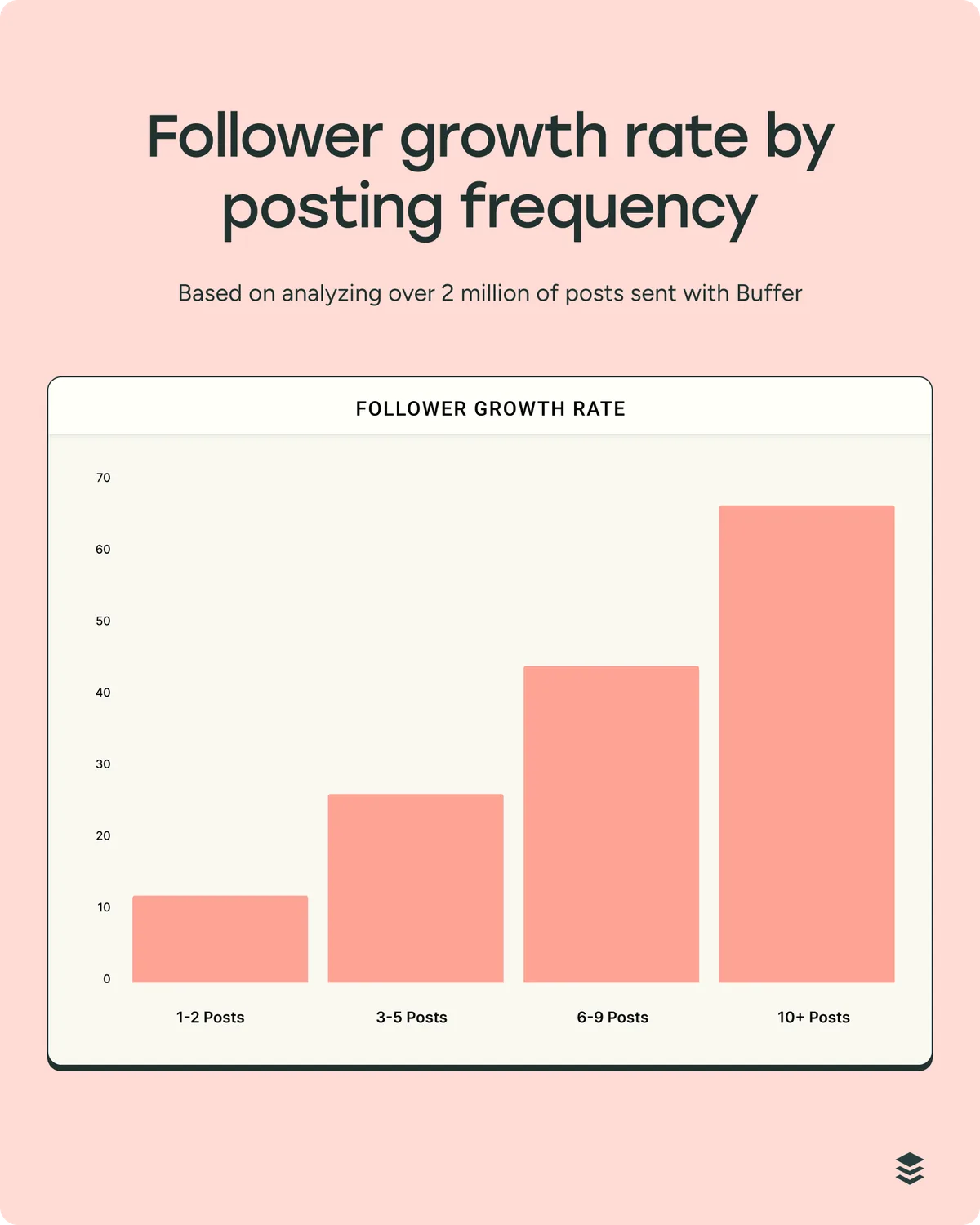
Stage one: stabilize your current cadence. Do not increase anything until the blog post frequency can hit your current rhythm for eight straight weeks. Publishing two quality posts a week for two months is worth more than five posts a week for two weeks and a crash.
Stage two: add one production element. Hire a part-time editor. Add a freelancer for one category. Bring in a subject matter expert to review pieces before publishing. Every new element amplifies your existing capacity.
Stage three: increase cadence by one post per week, not by double. Small increments give your team room to adjust and give the search engine room to recognize the new crawl rhythm. Add another increment only after the previous one stabilizes.
The blog post frequency best practices that hold up at scale are the ones focused on systemic capacity. Individual heroics are great for a launch. Systems are what keep a rhythm alive for years.

Warning Signs Your Cadence is Outrunning Your Team
Watch for these before they become a bigger problem:
- Editing is being skipped or shortened to hit publish dates.
- Writers are filing drafts the morning of the deadline.
- Internal linking is being handled by a plugin, not by intent.
- Topic selection is driven by “what did we not write yet” instead of pillar strategy.
- Readership per post is rising while retention and comments are falling.
Any one signal is a warning. Two or three together mean it is time to slow down, stabilize, and rebuild the workflow before resuming growth.
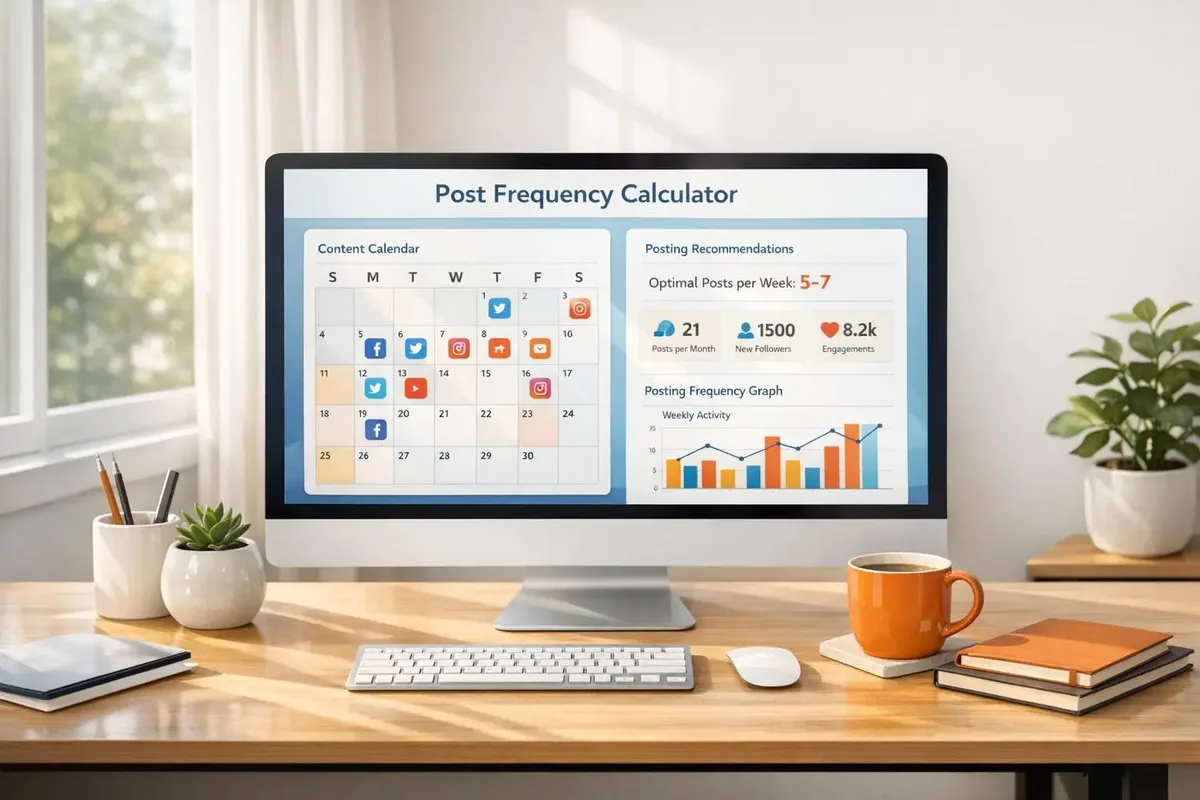
The Link Between Blog Post Frequency and Topical Authority
Topical authority is the reputation you build for covering a subject thoroughly. Blog post frequency is one engine that drives it, but only when the cadence is paired with focus. Ten scattered posts on ten subjects build less authority than four tightly related posts on one cluster.
Search engines connect pages through internal links, entity overlap, and consistent terminology. When a site publishes regularly on a coherent theme, those connections form a map. When a site publishes randomly, the map looks like a scatter plot.

The blog post frequency is why high-cadence content programs that follow a cluster plan outperform high-cadence programs that follow whatever is trending. Cadence without coherence is noise. Cadence with coherence is authority.
For readers who want to dig deeper into how authority is built on the technical side, Google’s own documentation on how search works is a good starting point. It clarifies what actually influences indexing and ranking, and what does not.

When Blog Post Frequency Should Stay Low on Purpose
Tim Farrant, an editor I once spoke with, summed up a common senior view: “If you cannot write something genuinely better than what already ranks, do not publish at all.” That sentiment is worth internalizing.
Some categories are better served by low frequency. Evergreen explainers that cover foundational concepts do not need updates every week. Reference material, glossaries, and process documentation can sit quietly for months and still serve searchers well.
Also, in extremely competitive categories, publishing frequently with mediocre answers signals weakness. Search engines reward depth. Readers reward clarity. Neither rewards sheer volume.
If your blog post frequency is by design low, make that a strength. Publish fewer posts, but make each one the best available answer in its category. That strategy has grown some of the most durable organic programs I have audited.
Common Blog Post Frequency Mistakes That Stall Growth
Even seasoned teams slip into the blog post frequency traps. Knowing them in advance saves a lot of wasted months.
Mistake 1: Treating Cadence as a Rankings Dial
Publishing more does not raise rankings by itself. If the first post on a topic is weak, publishing five more weak posts on the same topic does not fix it. Fix the strong one first, then extend the cluster.
Mistake 2: Publishing Without Internal Linking Discipline
A new post with no internal links is a new orphan page. Publishing rhythm means nothing if the new pages do not connect to your older ones. Add a deliberate linking step to every scheduled post.
Mistake 3: Letting the Calendar Dictate Content Quality
If “this post is scheduled for Thursday” becomes more important than “this post is ready,” quality erodes. Use the calendar to push readiness, not to override it. When a draft needs another day, give it another day.
Mistake 4: Chasing Competitor Cadence Without Their Team
A competitor publishing ten posts a week may have a ten-person editorial staff. Matching their cadence with a two-person team means quality collapse. Match their rhythm only when you match their capacity.
Mistake 5: Ignoring the “Why Publish This” Question
Every scheduled post needs a reason to exist beyond filling a slot. What reader question does it answer? What search intent does it satisfy? What pillar does it support? A post without a reason is a wasted publication.
A Working Blog Post Frequency Checklist for Editors
Here is a single shelf-ready checklist to pin above your desk. It consolidates the best practices above into a weekly operating view.
- Plan — Is this week’s post on the pillar calendar, and does it fill a clear content gap?
- Brief — Is the target reader and search intent written down before the writer starts?
- Research — Are primary sources cited, and are key stats current and verifiable?
- Draft — Does the draft answer the core question within the first 100 words?
- Review — Has a subject matter expert or senior editor validated the substance?
- Optimize — Are the title, subheadings, meta description, and alt text all aligned with the primary keyword?
- Link — Does the post link to at least one pillar page and receive at least one link back from a future post?
- Schedule — Is the publish date locked and the post in the queue before the deadline day?
- Measure — After ninety days, is this post contributing to at least one cohort performance metric?
Nine boxes, checked once per post. That is enough to keep a publishing rhythm honest.
For teams that want an external reference on content quality signals, the W3C accessibility guidelines are worth a look, because accessible content tends to perform better for readers on mobile, which is where most blog traffic ends up.
Frequently Asked Questions About Blog Post Frequency
Here is an in-depth breakdown of key considerations regarding Frequently Asked Questions About Blog Post Frequency:
How Often Should You Publish Blog Posts?
There is no single right number, but most publishers land between one post per week and three posts per week to start. The correct cadence is the one you can sustain for at least eight weeks without dropping quality or stressing the team. After you stabilize, increase by one post per week at a time.
Does Blog Post Frequency Affect SEO Directly?
Not directly. Search engines do not rank pages based on how often a site publishes. But a stable cadence helps crawl scheduling, encourages internal linking, and signals an active site to readers. The indirect effects of a steady blog post frequency often show up in organic performance over months, not weeks.
Is It Better to Publish One Long Post or Several Short Posts?
Depends on the topic. For a pillar topic, one comprehensive post beats several fragmented ones. For a fast-moving news category, small frequent posts make more sense. A good rule: match length to the depth the question needs, not to how many posts the calendar expects.
How Do I Keep Quality High When Publishing Multiple Times per Week?
Batch production, narrow scope per post, and never skip editing. Also, build a working checklist so quality controls do not rely on memory. Teams that publish at high cadence rely on process, not heroics.
Can I Take Breaks from Publishing and Still Grow?
Yes, if the breaks are planned and communicated. Readers respond well to predictable pauses. The risk comes from unplanned gaps that stretch into weeks. Announce the pause, plan the return, and come back with a strong re-entry post.
Does Publishing More Frequently Help New Websites Index Faster?
A regular rhythm usually helps new sites get crawled more predictably, but indexing also depends on signal quality: internal links, page speed, and answer clarity. Cadence alone is not enough. Pair a steady blog post frequency with strong internal linking and the effects compound.
What is a Good Blog Post Frequency for a One-Person Content Team?
One to two high-quality posts per week is realistic. Many solo bloggers publish one post per week and supplement with a monthly newsletter to maintain reader rhythm. Volume is less important than the discipline of shipping on schedule.
Should Blog Post Frequency Change Seasonally?
Sometimes, yes. Retailers publish more around peak seasons. B2B teams often pace down during summer and holiday weeks, then ramp for January planning season. Seasonal swings are fine as long as the baseline cadence stays visible to readers and to the team.
How Do I Measure Whether My Cadence is Working?
Look at three things: cohort traffic trends, internal linking depth per post, and average time-to-traffic for new publications. If all three improve over six months, your blog post frequency is doing its job. If one stalls, adjust before increasing output.
Final Thought: Rhythm Beats Rush
The biggest insight from every editorial team I have worked with is simple. For blog post frequency, the number matters less than the rhythm. Rush produces short-lived spikes. Rhythm produces compounding results over twelve to twenty-four months.
If this guide has done its job, you now know how to pick a cadence, how to protect quality at that cadence, and how to scale it one step at a time. Take the seven best practices, choose two, run them for sixty days, and see what changes. Then come back for the next pair. That is how a blog post frequency program actually grows.
For verified reference and background research, consult the authoritative informational resource on this topic.