The Backlink Anchor Text Distribution Playbook That Actually Moves Rankings
Backlink anchor text distribution is the single most overlooked lever in link building, and most site owners get it wrong without ever realizing it. You spend weeks earning a link, then hand the publisher the same generic phrase you used twenty times before.
Google sees the pattern instantly. The link still counts, but it counts for less.
This backlink anchor text distribution guide breaks the whole discipline into nine tactics you can run without a paid tool subscription or a VA team. Each one stands on its own, yet they compound when stacked together.
Think of the backlink anchor text distribution as your anchor text backlink optimization hub. From here, the natural next reads are internal link anchor strategy, referring domain quality audits, and toxic link disavow decisions — all sub-topics that live inside the same parent topic of link equity management.
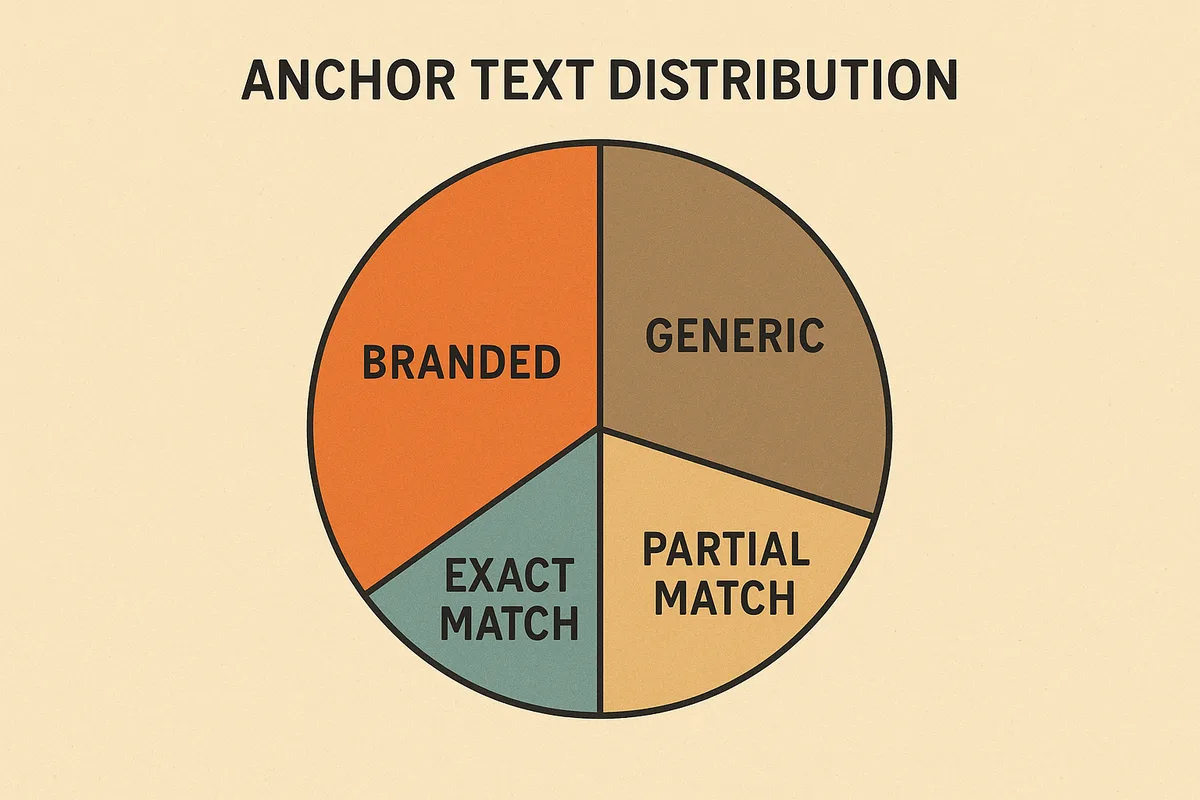
What is Backlink Anchor Text Distribution, Really?
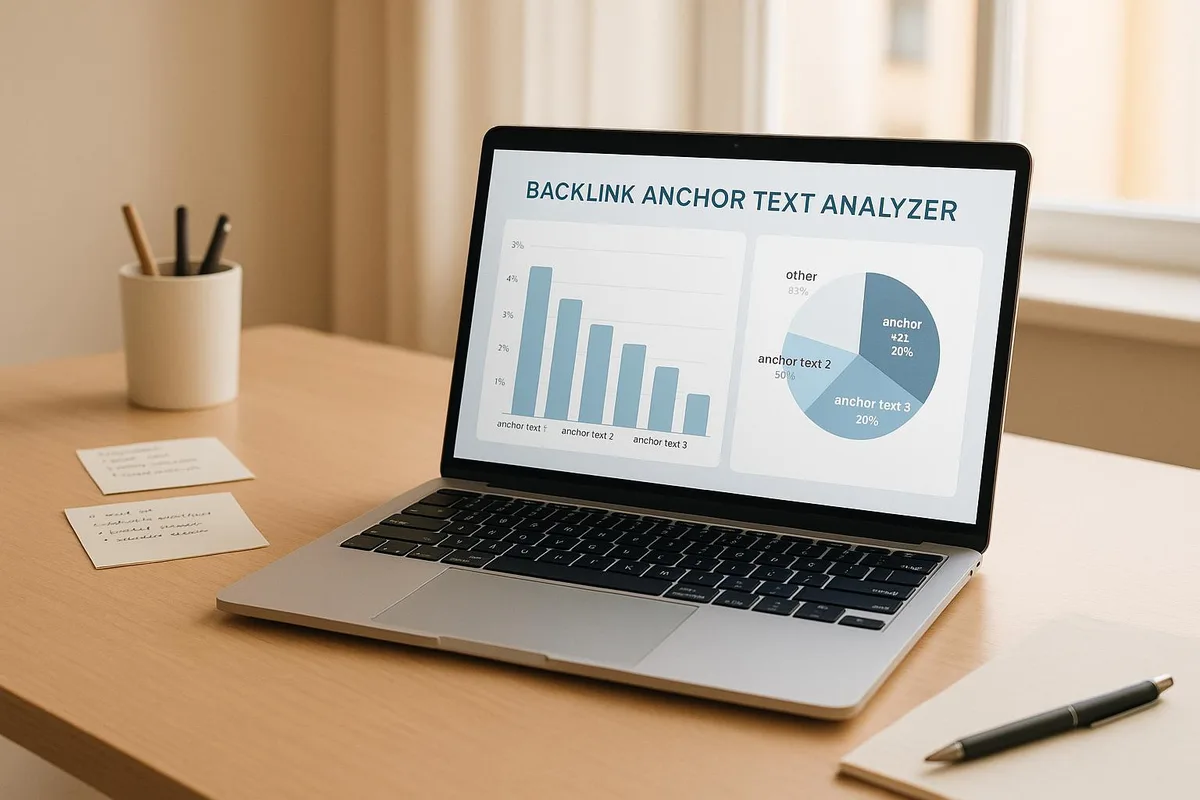
Backlink anchor text distribution refers to the mix of clickable phrases pointing at any given URL across all the sites linking to it. It’s the ratio, not the individual link.
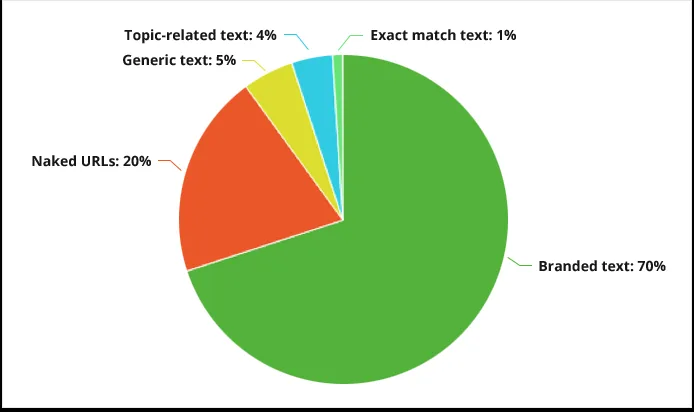
A page with forty links might carry fifteen branded anchors, ten naked URLs, eight exact-match phrases, and seven partial or generic ones. That spread is the distribution. Nobody sets it deliberately at first, which is exactly why so many profiles look unnatural.
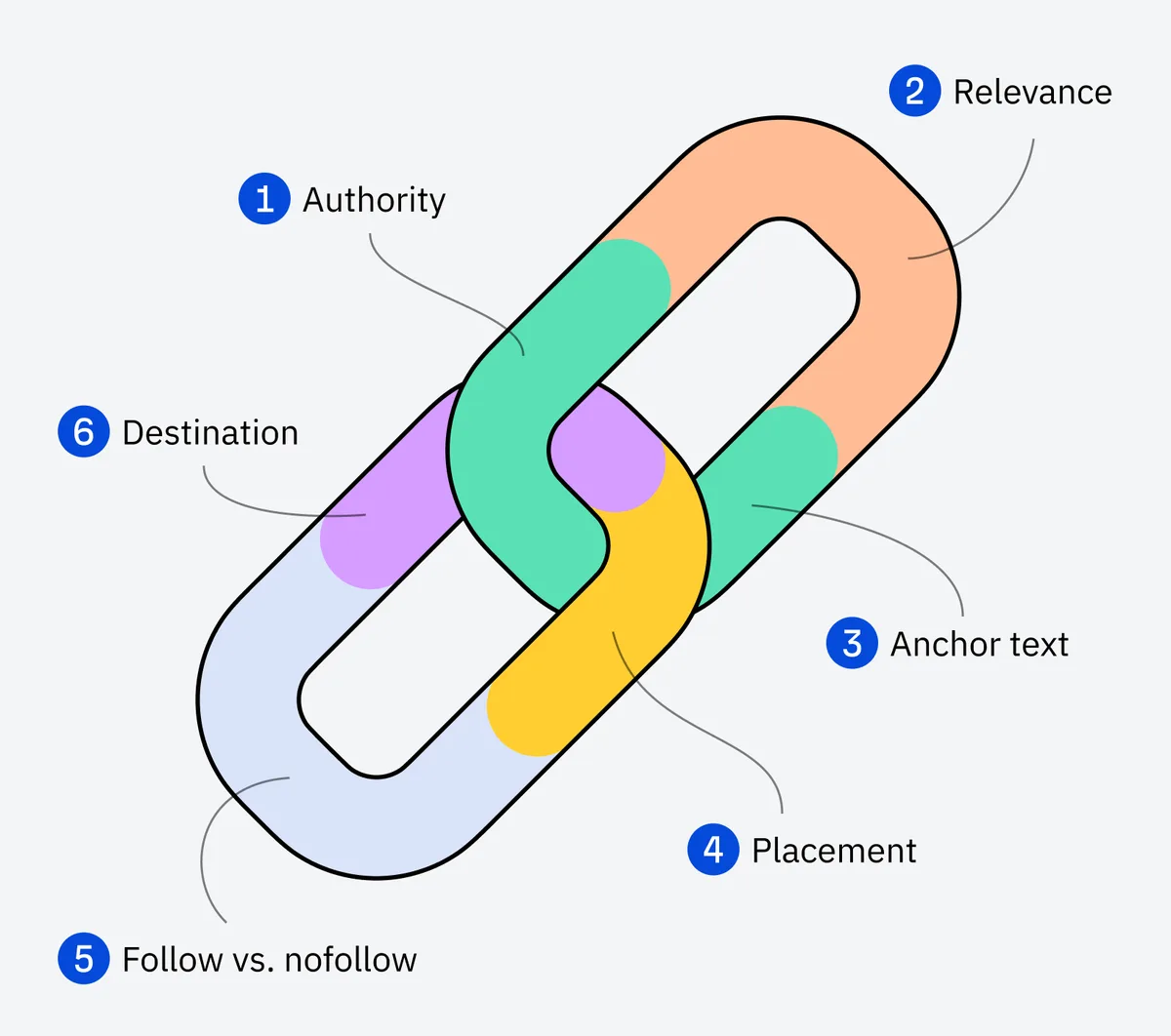
Google has treated anchor text as a relevance signal since the original PageRank-era patents. The phrasing used in a link tells the algorithm what the destination page is about, and it tells a human reader whether clicking is worth the trouble.
Here’s the part beginners miss: anchor text is one of the few ranking signals the linking site actively controls. Refining each detail of your backlink anchor text distribution strengthens this section. That makes it manipulable, which makes it monitored. Over-optimization isn’t a myth; it’s a documented pattern that triggers algorithmic distrust.
So the discipline is less about “getting the keyword in” and more about constructing a believable, varied, semantically rich profile that survives a manual review.
Why Link Equity Depends on Anchor Variation
Picture a link profile where forty referring domains all use the identical phrase. To a reviewer, that reads as a purchased campaign. To an algorithm, it reads as a repeated signal that can be discounted in aggregate.
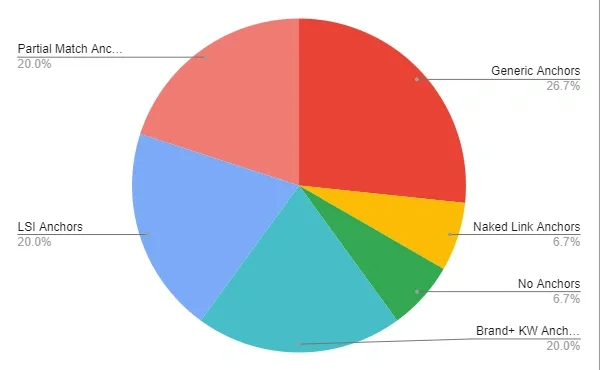
Variation restores signal value. Effective execution in your backlink anchor text distribution makes a tangible difference. When anchors range from brand names to descriptive partial matches to plain URLs, each link communicates a slightly different facet of the page’s topic.
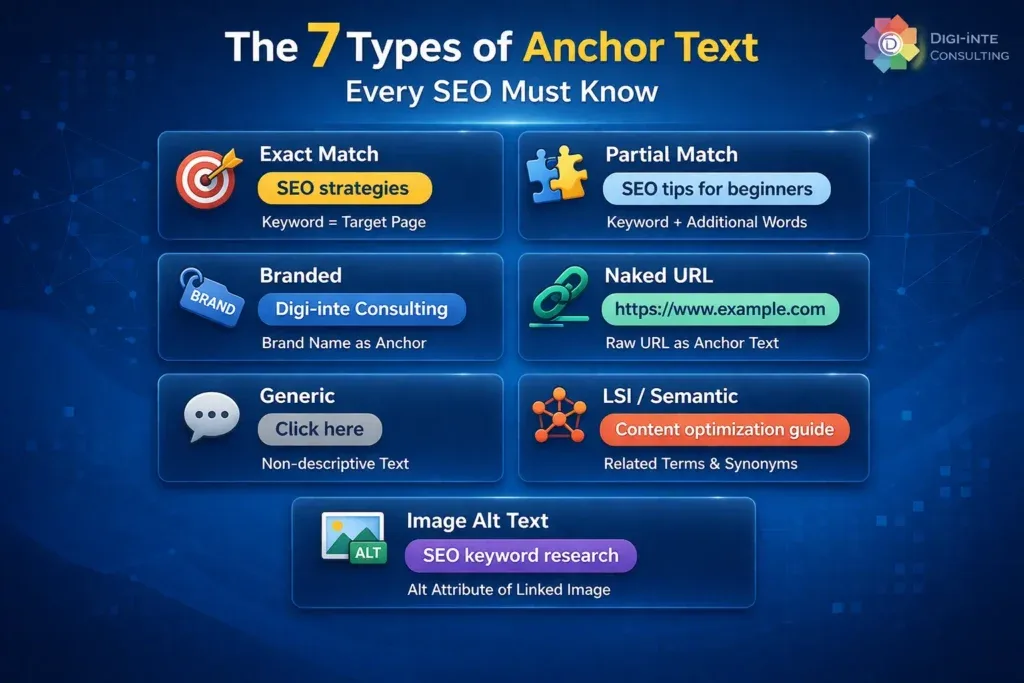
For example, a page about commercial espresso machines might earn anchors like “La Marzocco distributor,” “commercial espresso equipment,” “these machines,” and “espressomachinery.com.” Together they describe a company, a product category, a contextual reference, and an entity name. That’s a coherent semantic map.
That map is what link equity actually travels through. The anchor is the label on the package, and Google reads labels before it opens the box.
Backlink Anchor Text Distribution Best Practices for Every Profile Size
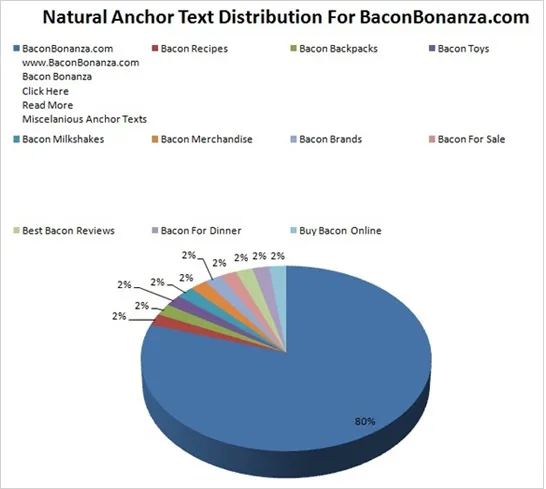
Good backlink anchor text distribution best practices don’t depend on how many links you have. They depend on whether the mix looks like something a real audience would produce. A twelve-link site and a twelve-hundred-link site follow the same logic, just at different scales.
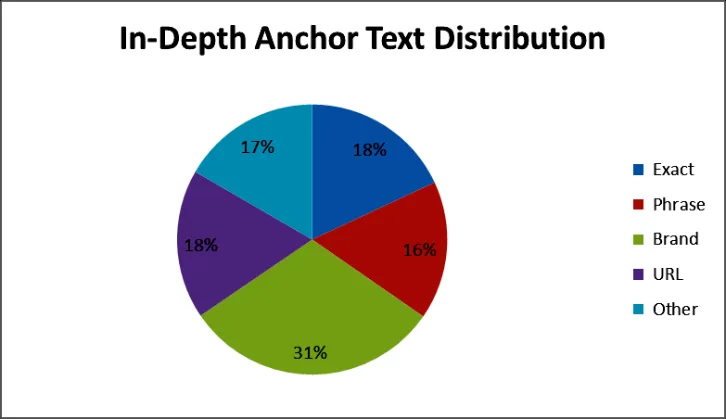
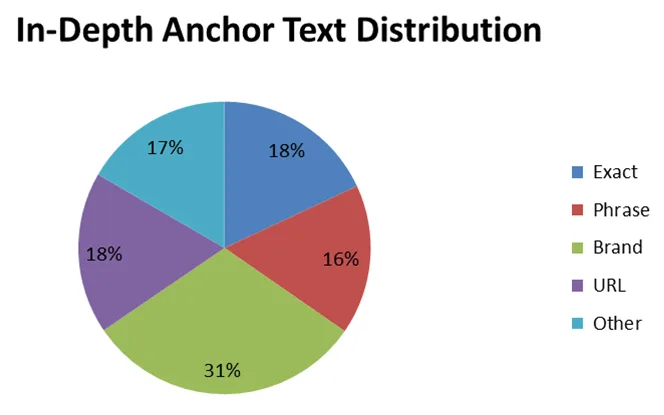
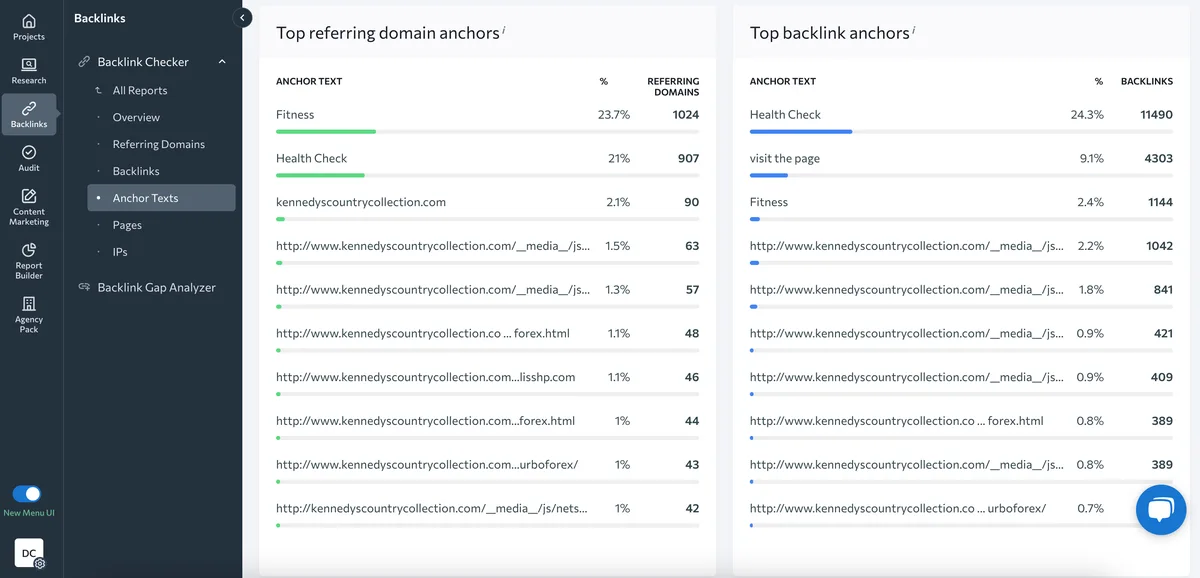
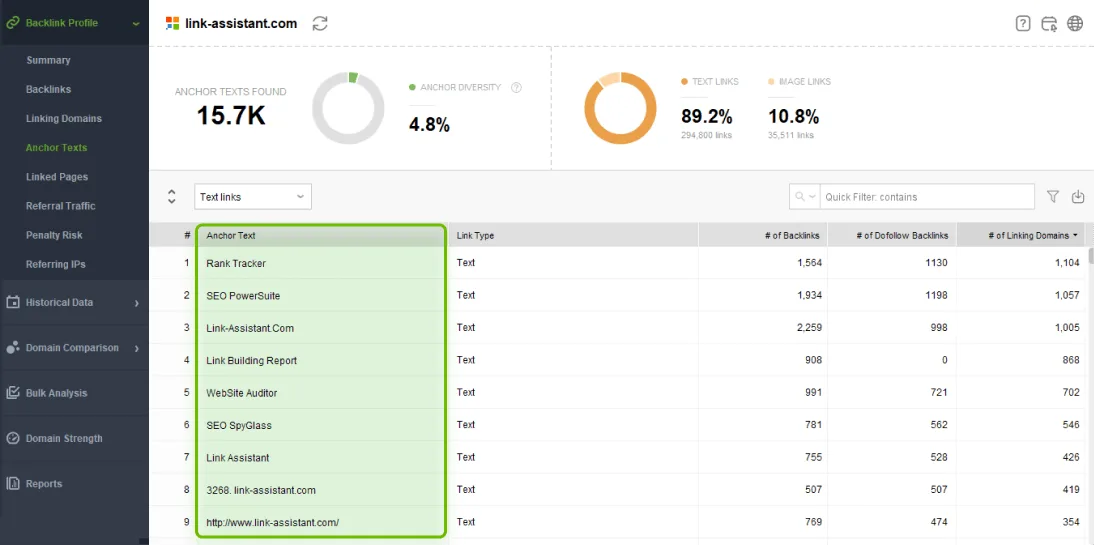
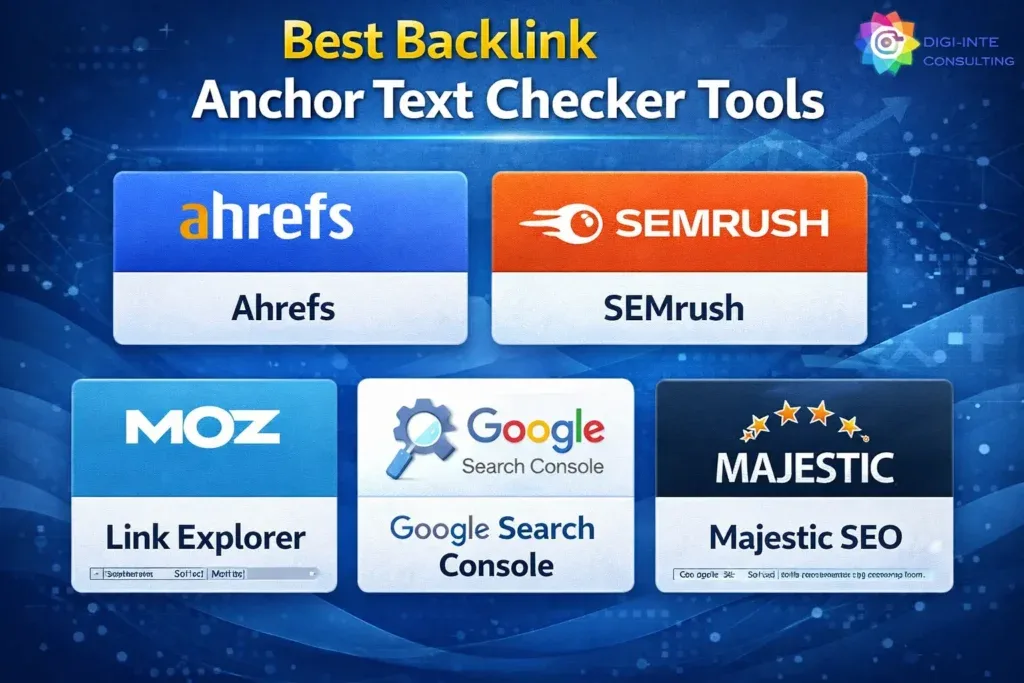
Start by auditing what the backlink anchor text distribution already have. Export your backlinks from Google Search Console, Ahrefs, Semrush, or Majestic, then bucket every anchor into one of five categories: branded, naked URL, exact match, partial match or phrase, and generic.
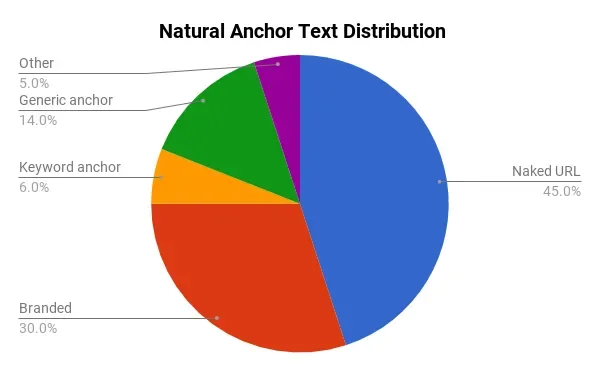
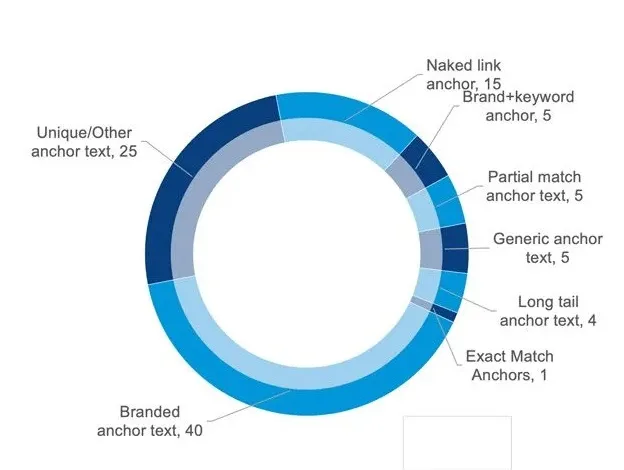
Now look at the percentages. Most healthy profiles skew heavily toward brand and naked URL anchors, with exact match kept deliberately small.
The mistake I see constantly is treating exact-match as the “good” anchor and everything else as filler. That’s backwards. Exact match is the seasoning, not the meal.
Keep reading and you’ll find the nine tactics that turn this audit into an actual plan.
1. Map Your Current Ratio Before You Touch Anything
You cannot correct a distribution you haven’t measured. Before a single outreach email goes out, pull every anchor text pointing at your domain and tally the categories.
I recommend a simple spreadsheet with five columns: source URL, anchor text, category, target page, and follow status. It takes an afternoon for a few hundred links and it changes how you see your profile forever.
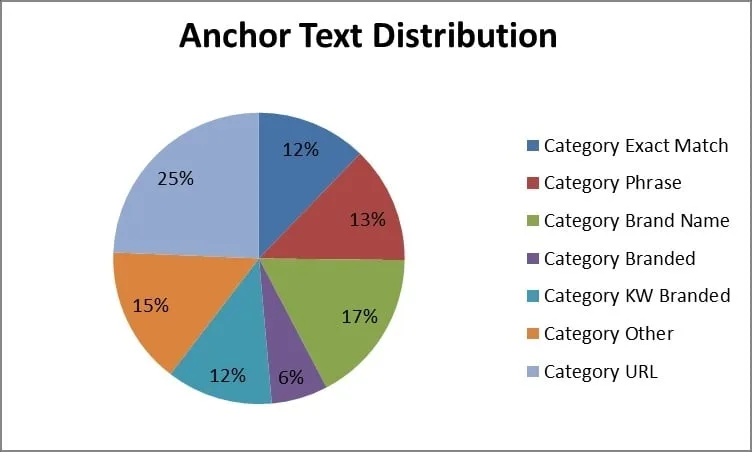
The first time most site owners do the backlink anchor text distribution, they discover something uncomfortable. One page has eight exact-match anchors, another page has none, and the homepage carries a lopsided share of branded links.
That imbalance is your baseline. It also tells you which pages need new link types and which are already saturated.
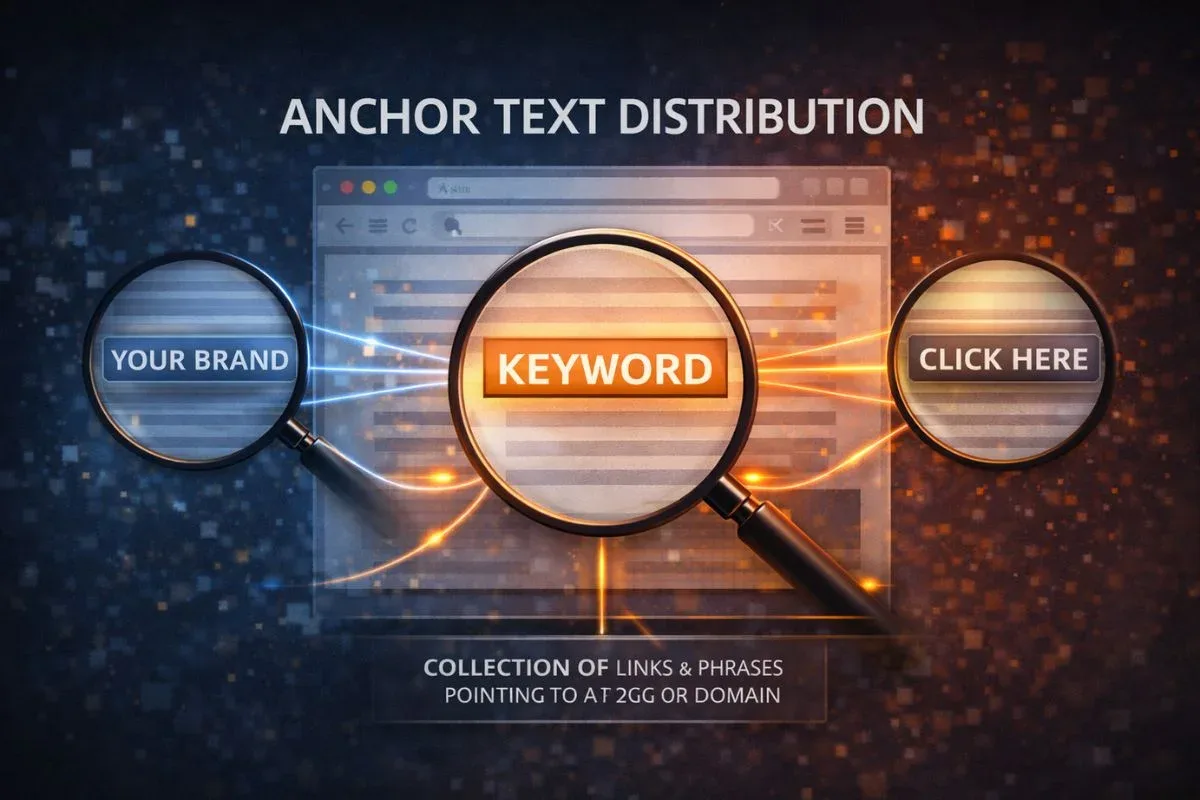
Run this audit quarterly, not annually. Link profiles drift fast during active campaigns.
The Bucket Table Most Auditors Should Use
Here’s the framework that keeps the numbers honest. Assign every anchor to exactly one bucket, then compare the resulting spread against what a natural profile should look like.
| Anchor Type | Example | Typical Share | Risk If Overused |
|---|---|---|---|
| Branded | Acme Coffee Supply | 35-50% | Low, but leaves relevance on the table |
| Naked URL | acmecoffee.com | 15-25% | Low, signals citation style |
| Partial match | commercial espresso equipment | 10-20% | Moderate if repeated verbatim |
| Exact match | espresso machine supplier | 3-8% | High, prime over-optimization trigger |
| Generic / phrase | read more, this page | 10-20% | Low, dilutes relevance |
The backlink anchor text distribution ranges aren’t laws; they’re guardrails. A site with heavy brand recognition naturally leans branded, and that’s fine. A brand-new site leans naked URL because early citations come from directories and profiles.
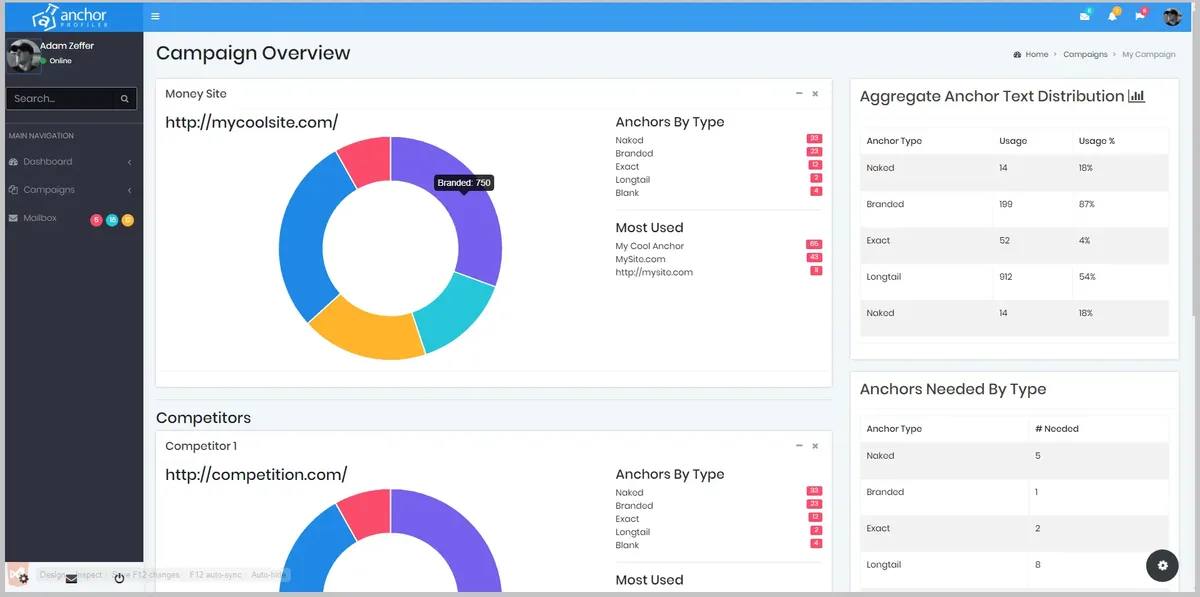
Compare against your own history, not just industry averages. A sudden jump from 4% to 20% exact match in one month is the kind of sharp move that draws scrutiny.
2. Build the Backlink Anchor Text Distribution Checklist Every Campaign Needs
A backlink anchor text distribution checklist turns a vague intention into a repeatable process. Without one, every new link becomes a judgment call made by whoever happens to be doing outreach that day.
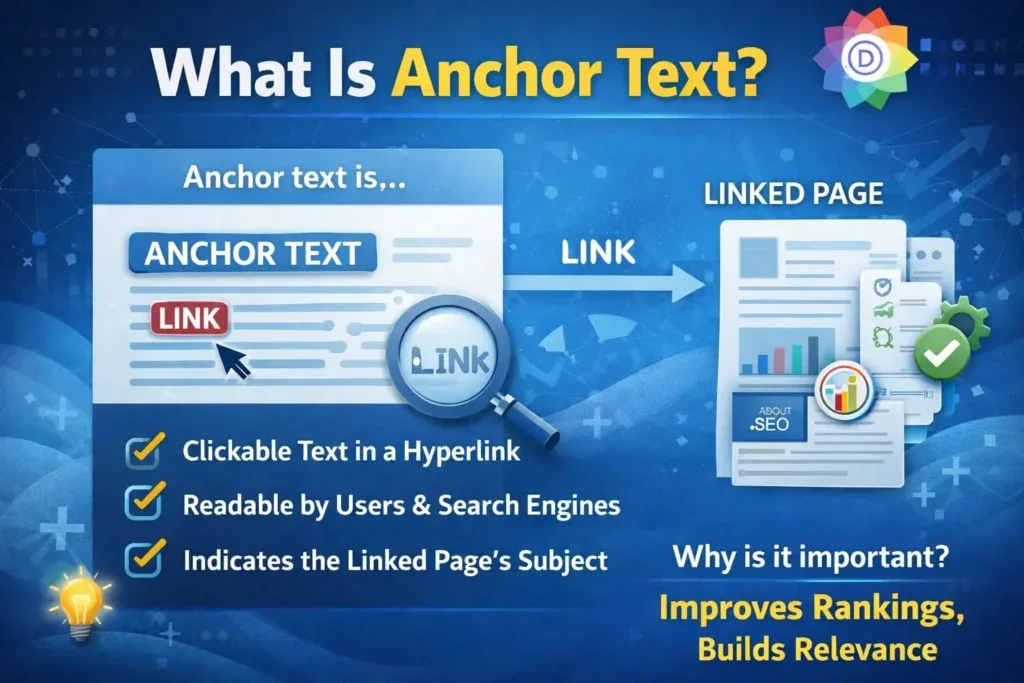
Here’s the checklist I hand to outreach teams before their first email.
- Identify the target page and its current anchor ratio.
- Assign the anchor type this link should supply.
- Verify the suggested phrase appears nowhere in your existing profile for that URL.
- Confirm the phrase reads naturally inside the publisher’s sentence.
- Check whether the referring domain is new or already present.
- Log the link in the tracker within twenty-four hours.
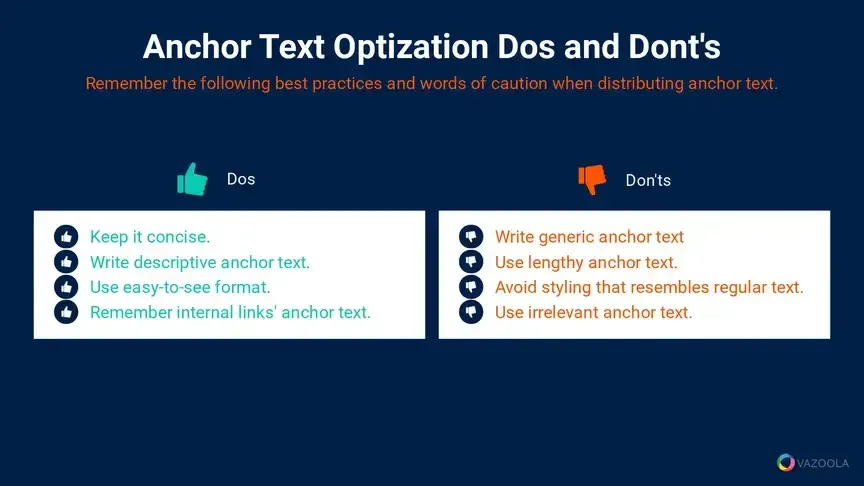
Two items on the backlink anchor text distribution list save the most trouble. First, the uniqueness check: repeating “best running shoes” across six sites is the exact pattern reviewers look for. Second, the readability check — an anchor jammed into a sentence that doesn’t accommodate it looks forced, and editors notice.
One more item worth adding for e-commerce clients: confirm whether the target is a category page or a product page. Applying these principles to your backlink anchor text distribution yields measurable results. These need different anchor phrasing.
3. Vary Your Link Types Like a Real Portfolio Manager
Anchor text diversity is just the visible outcome of link type diversity. You can’t generate a healthy mix if every link comes from the same source category.

Editorial mentions in industry publications, guest posts, resource pages, brand citations in roundups, podcast show notes, directory profiles, and community forum references all produce different anchor conventions. Publishers on resource pages link differently than a columnist does.
If you flatten all of them into identical exact-match anchors, you’ve erased the natural diversity those source types would have created for free.
My working rule: at least six distinct source categories per target page, spread across twenty or more referring domains. That gives every anchor type a natural home.
Want a concrete illustration? A small B2B software company I worked with earned eleven links during a single campaign. Seven came from listicles, two from podcast notes, one from a trade publication, and one from a customer testimonial page.
Their anchors naturally ranged from “Acme Analytics” to “the backlink anchor text distribution analytics dashboard” without anyone having to engineer it. The variety came from the source mix.
How Referring Domain Diversity Shapes Anchor Variety
When you place anchors strategically, you’re working with a weaker version of the natural scenario above. So borrow from it: assign anchor types to source categories in advance.
Trade publications get descriptive partial matches. Directories get branded or naked URLs. Podcast notes get entity names. Forums get informal phrases or plain URLs.
Marry the source to the anchor type before outreach begins and you’ll stop overcorrecting later.

4. Use Partial Match Phrases as Your Workhorse
If the backlink anchor text distribution take one tactic to the bank, make it this one. Partial match anchors carry most of the keyword relevance without the exact-match risk.
“Backlink anchor text distribution tips” is partial match. “Backlink anchor text distribution” is exact. The partial version reads like a phrase a real person wrote, and Google treats it as semantically descriptive rather than targeted.
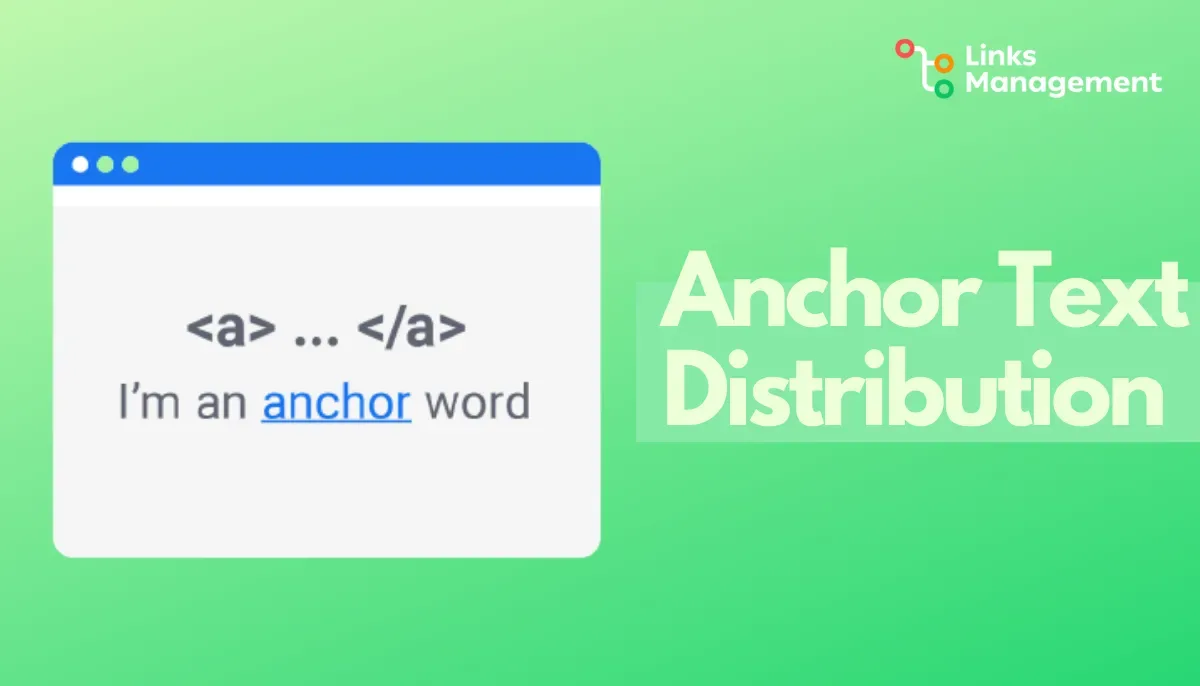
Partial match anchors give you room to encode long-tail keyword variations that naturally occur in human writing. “How to structure your anchor profile” and “guidance on link anchor diversity” both point at the same concept while expanding your semantic footprint.
The trick is to source the backlink anchor text distribution phrases from your own content. Skim your H2s and pull the ones that read like noun phrases. They’re already optimized for relevance.
On several client projects, moving the bulk of anchors to partial match phrases produced meaningful gains in mid-tail rankings without any visible traffic penalty from prior exact-match saturation.
5. Keep Exact Match Deliberately Scarce
Exact match anchors are powerful precisely because they’re rare. Treat each one as a limited resource you’re spending.
My working ceiling: 5-7% of total anchors for any single target page. Clear alignment with your backlink anchor text distribution builds confidence from the start. For a page with forty links, that’s two to three exact match anchors. No more.
And never let an exact match land on a page with no other link types. The individual link should always look like a plausible outlier within a varied whole.
Which pages deserve them? Money pages where the target keyword is commercially valuable and the page already ranks on page two. Those are the spots where a single well-placed exact match can nudge a ranking.
Also worth noting: exact match overlap with a competitor’s branded term is a route to legal trouble and manual action at once. Integrating backlink anchor text distribution into your workflow produces consistent quality. Avoid it entirely.
6. Rotate Branded and Naked URL Anchors Into Every Batch
Branded and naked URL anchors aren’t just neutral — they’re protective. A profile heavy in branded mentions reads as an established entity rather than a campaign.
For a new domain, branded anchors often account for 40-60% of the total. That expands as editorial mentions grow and as your brand becomes a citation in its own right.
Naked URL anchors occur naturally in press releases, business directories, and research roundups. If your backlink anchor text distribution profile is missing them, you’re probably sourcing links from too narrow a pool.
Look at Wikipedia citations, conference speaker bios, industry directories, and podcast transcripts. Each of these produces naked URL anchors almost by default.
One more benefit to branded anchors: they reinforce entity association. Google connects the brand name, the anchor, and the target page, which sharpens the knowledge graph signal for your business.
7. Audit Competitor Anchor Profiles for Distribution Intelligence
Competitor analysis is the cheapest way to calibrate your own ratios. Focusing on backlink anchor text distribution provides clear direction here. If three competitors consistently sit at 6% exact match and you’re at 22%, that gap is a red flag worth heeding.
Most tools let you export a competitor’s backlink list with anchors included. Pull the top three competitors ranking for your target keyword and bucket their anchors the same way you bucketed your own.
What the backlink anchor text distribution’re looking for isn’t a perfect match. It’s the broad shape: which types dominate, whether any competitor runs unusually high exact match, and how their branded percentages scale with authority.
A surprising number of high-ranking sites run branded anchors at 50% or more. That’s not a mistake — it reflects how editors actually link to established companies.
Use competitor data to sanity-check, not to copy. Two brands in the same niche should not have identical distributions.
8. Fix Over-Optimization Without Anxious Overcorrection
What happens when you discover 30% exact match anchors pointing at your flagship page? The temptation is to spend the next quarter disavowing everything. Don’t.
Google’s tools for addressing over-optimization are blunt: the backlink anchor text distribution can disavow, you can request removal, or you can simply stop adding exact match. The last option is usually the right first move.
Start by halting all new exact-match anchors for that URL and route the next batch of links entirely to branded, naked URL, and partial match phrases. You’re diluting, not destroying.
If the profile is bad enough, escalate. Reach out to publishers and ask whether anchor phrasing can be softened to branded. Most editors will agree if you frame it politely and offer to adjust the surrounding text too.
Disavow is the final lever, not the first. It strips genuine linking value and can be hard to reverse if you overdo it.
When to Consider Anchor Text Edits from Publishers
Editing anchors on other people’s sites requires permission and a good reason. The good reason is always readability, never SEO.
“the backlink anchor text distribution’ve updated our brand name this month — would you mind updating the anchor?” works. “We need more exact-match keywords for ranking” does not, and it will get you ignored.
Reserve edit requests for recently built links and for anchors the backlink anchor text distribution are clearly broken or nonsensical. Legacy links with old anchors are usually better left alone.
9. Build Ongoing Governance So the Mix Stays Healthy
Distribution decays. Campaigns restart, VAs cycle through, and old habits creep back. The only durable solution is governance — a written rulebook anyone touching outreach can follow.
At minimum, document three things: acceptable anchor types per source category, target ratios for the top five pages, and the approval process for any exact match above the ceiling.
Then monitor. Maintaining clarity across your backlink anchor text distribution remains essential. A monthly glance at your anchor export catches drift before it becomes a liability. Rebalance quarterly.
Here’s the governance table I use with retained clients.
| Page Type | Exact Match Ceiling | Preferred Anchor | Rebalance Trigger |
|---|---|---|---|
| Homepage | 3% | Branded | Branded drops below 30% |
| Category / money page | 7% | Partial match | Exact match exceeds 10% |
| Blog pillar article | 5% | Partial match + phrase | Phrase anchors exceed 40% |
| Product page | 4% | Entity name + partial | New links all same type |
Governance isn’t bureaucracy — it’s the difference between a ranking asset and a ranking liability. It’s also the piece that makes your backlink anchor text distribution scalable across teams and agencies.
Anchor Text Risk Signals Worth Watching
Not every ranking dip is an anchor problem. But some patterns clearly point to anchor over-optimization, and they tend to appear together.
A page ranking well, then slipping two to five positions after a fresh batch of exact-match links, is a classic signal. So is a sudden spike in a phrase that appears nowhere else in your content.
Watch also for topically irrelevant anchors to your money pages. A thoughtful approach to backlink anchor text distribution reinforces your qualifications. A recipe blog linking to “PPC management services” as anchor text conveys nothing and signals a possible paid placement.
Most of these can be resolved by slowing the campaign, adding branded and partial links, and cleaning up the most egregious entries. Rarely do they require dramatic action.
Frequently Asked Questions About Backlink Anchor Text Distribution
Here is an in-depth breakdown of key considerations regarding Frequently Asked Questions About Backlink Anchor Text Distribution:
What is the Right Percentage of Exact Match Anchors?
For most sites, 3-8% exact match is a safe band. News and media sites often sit lower; markets with generic product categories sometimes run a bit higher.
Compare against competitors rather than chasing a universal number. Structuring your backlink anchor text distribution around proven patterns ensures impact. Sudden moves matter more than the absolute percentage.
Can Anchor Text Alone Move Rankings?
Anchor text influences relevance, but the backlink anchor text distribution cannot substitute for page quality or domain authority. In strongly competitive niches, anchors act as a tiebreaker rather than a driver.
Treat anchor phrasing as one input among many: content depth, internal links, page speed, and overall link quality all matter just as much.
How Often Should I Audit My Anchor Profile?
Quarterly is the minimum for active campaigns, monthly for aggressive link building. A yearly audit is too slow — profiles shift faster than that.
Keep an eye out for sudden changes rather than waiting for the scheduled check.
What if Every Competitor Uses an Exact Match Anchor?
That usually signals a mature niche where exact match still carries relevance. Even then, stay below your ceiling and pair each exact match with descriptive partials to preserve diversity.
Use competitor data as calibration, not a template.
Do Internal Links Count Toward the Distribution?
They count differently. Internal anchors don’t bring external relevance signals, but they do shape how Google crawls and understands your content’s topical structure.
Internal anchor variety also helps contextual relevance, so don’t stuff the same phrase in every internal link either.
Is Nofollow Anchor Text Worth Tracking?
Yes, because it still signals citation and entity association even when it doesn’t pass PageRank. A branded nofollow from a major publication carries brand-entity value.
Track it in a separate column so it doesn’t skew your dofollow ratios.
Pulling It All Together
The nine tactics above are the backbone of any serious backlink anchor text distribution strategy. Start with the audit, source phrases from your own content, keep exact match scarce, and build a governance layer that survives team turnover.
The broader link equity topic continues into referring domain quality, internal anchor architecture, and outreach sequencing. Each of those builds directly on the foundation you set here.
Remember the core principle: a healthy distribution never has one anchor type dominating. If your backlink anchor text distribution profile reads like a natural conversation between publishers who happened to find you interesting, you’re doing it right.
Every backlink anchor text distribution checklist ultimately serves one goal — making the profile look like nobody engineered it, even though you did.
For verified reference and background research, consult the authoritative informational resource on this topic.